

What Causes Vaginal Dryness?

When most women think about menopause, hot flashes usually steal the spotlight. They’re dramatic, unmistakable, and hard to ignore. But there’s another change that often shows up quietly - one that many women aren’t prepared for, and rarely talk about: vaginal dryness.
It’s incredibly common yet often misunderstood. It’s not a flaw, a failure, or something to push through. And while it’s most closely associated with menopause, vaginal dryness can happen at many different stages of life.
Why Vaginal Dryness Happens
As estrogen levels naturally decline, especially during perimenopause and menopause, blood flow to the vaginal tissue decreases. With less circulation comes less natural moisture, which can lead to dryness, sensitivity, and discomfort.
Over time, the vaginal tissue may become thinner, less elastic, and more delicate. Some women notice irritation, burning, or discomfort during intimacy. Others experience subtle changes that gradually become more noticeable if left unaddressed.
And while menopause is the most well-known trigger, it’s far from the only one.
Hormonal birth control
Some contraceptives suppress natural hormone fluctuations, which can reduce lubrication in certain women.
Antihistamines and medications
Medications designed to dry out nasal passages can also affect other mucous membranes, including vaginal tissue.
Smoking
Smoking restricts blood flow throughout the body, including to vaginal tissue, which can worsen dryness over time.
Surgery or medical treatments
Procedures such as hysterectomy or ovary removal can alter hormone levels and impact vaginal health.
Stress and lifestyle factors
Chronic stress, dehydration, and overall hormonal imbalance can all play a role.
Additional Causes of Vaginal Dryness You Might Not Expect
While hormonal shifts are the most common reason for vaginal dryness, they’re far from the only one. Many everyday factors can quietly affect vaginal moisture, comfort, and balance.
Dehydration
Hydration matters more than most people realize. Adequate hydration supports mucus membrane moisture, and may help reduce vaginal dryness, as well as dry mouth, lips, and skin.
Postpartum & Breast feeding
After childbirth, estrogen levels drop significantly, especially while breastfeeding. This temporary hormonal shift can lead to dryness, sensitivity, and discomfort even in younger women.
Certain Soaps & Hygiene Products
Scented washes, douches, bubble baths, and harsh cleansers can disrupt the vagina’s natural pH and strip away protective moisture. Even “feminine” products can do more harm than good.
Over washing
More isn’t better. Frequent washing, especially internally, can remove healthy bacteria and natural oils that keep vaginal tissue balanced and hydrated.
Exercise & Friction
High-impact workouts, tight clothing, or prolonged friction can lead to irritation and dryness, especially if combined with sweat or synthetic fabrics.
Low Estrogen Outside of Menopause
Estrogen levels can dip for reasons beyond menopause, including:
- Extreme dieting or low body fat
- Certain autoimmune conditions
- Thyroid imbalances
- Intense physical training
Emotional Changes & Low Arousal
Arousal plays a role in natural lubrication. Stress, anxiety, relationship changes, or feeling disconnected from your body can all affect moisture levels - even if nothing else is “wrong.”
Discover Your Routine



Why Vaginal Dryness Deserves Attention
Vaginal dryness isn’t just uncomfortable. It can affect overall well-being.
Many women experience
- Discomfort or pain during intimacy
- Light bleeding or irritation
- Changes in vaginal scent or sensitivity
- Increased risk of irritation
- Yeast infections or bacterial vaginosis
- Urinary symptoms like urgency or frequent UTIs
When vaginal tissue becomes dry, it also becomes more vulnerable. The vagina relies on a healthy microbiome, particularly lactobacilli, to maintain its natural pH and protective barrier. Hormonal shifts can disrupt this balance, making discomfort more likely over time.
Beyond the physical symptoms, vaginal dryness can affect confidence, intimacy, and emotional well-being. And yet, many women suffer in silence.
You’re Not Alone And You Have Options
Nearly one in two women experiences vaginal dryness during menopause, yet only a fraction seek treatment. Often, it’s because the topic feels uncomfortable or because women assume it’s just something they have to live with.
The truth? You don’t.
Whether dryness is occasional or ongoing, addressing it early through hydration, gentle care, or supportive products can make a meaningful difference in how you feel every day. From hormone-free moisturizers and gentle daily care to medical treatments when appropriate, there are many ways to restore comfort and support vaginal health.
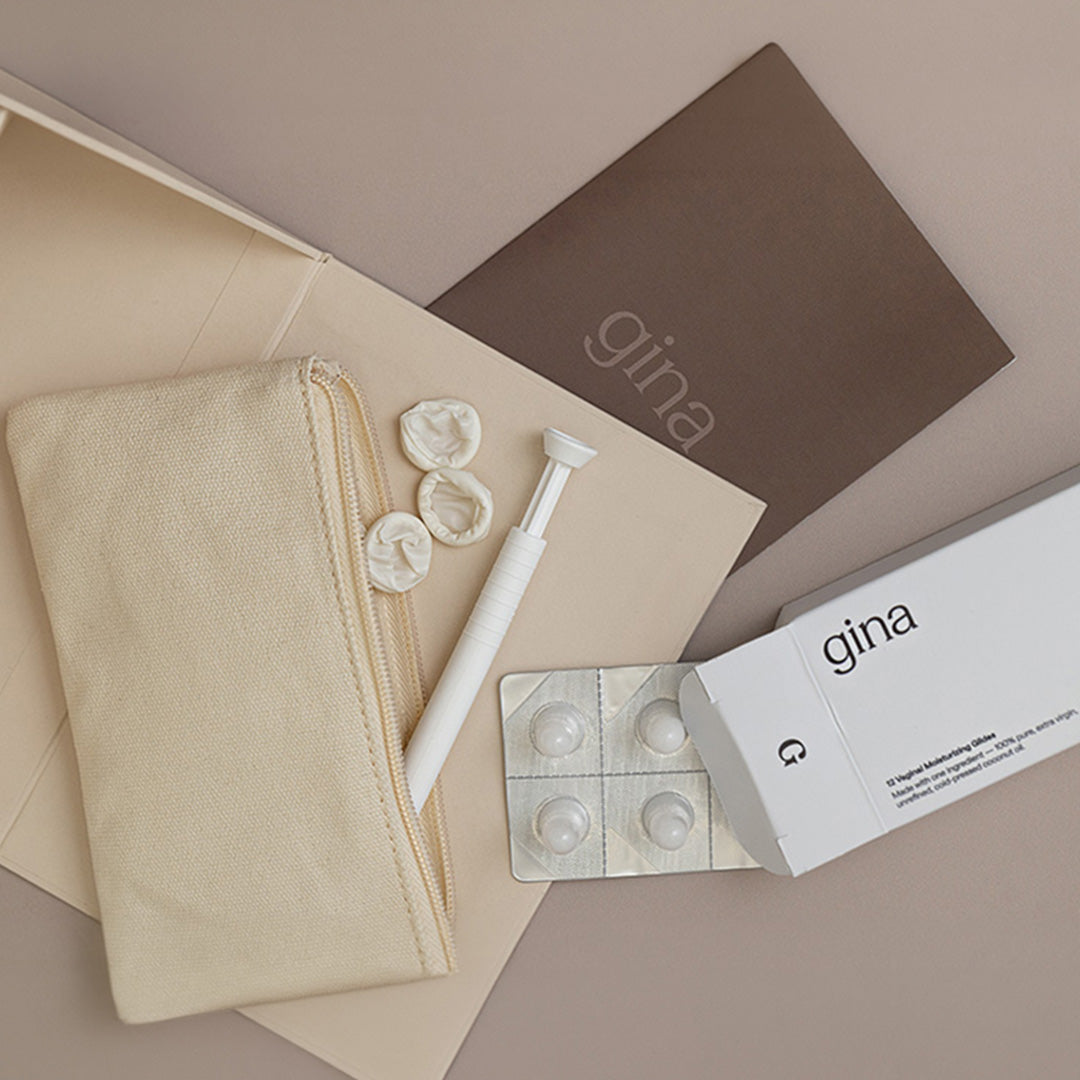
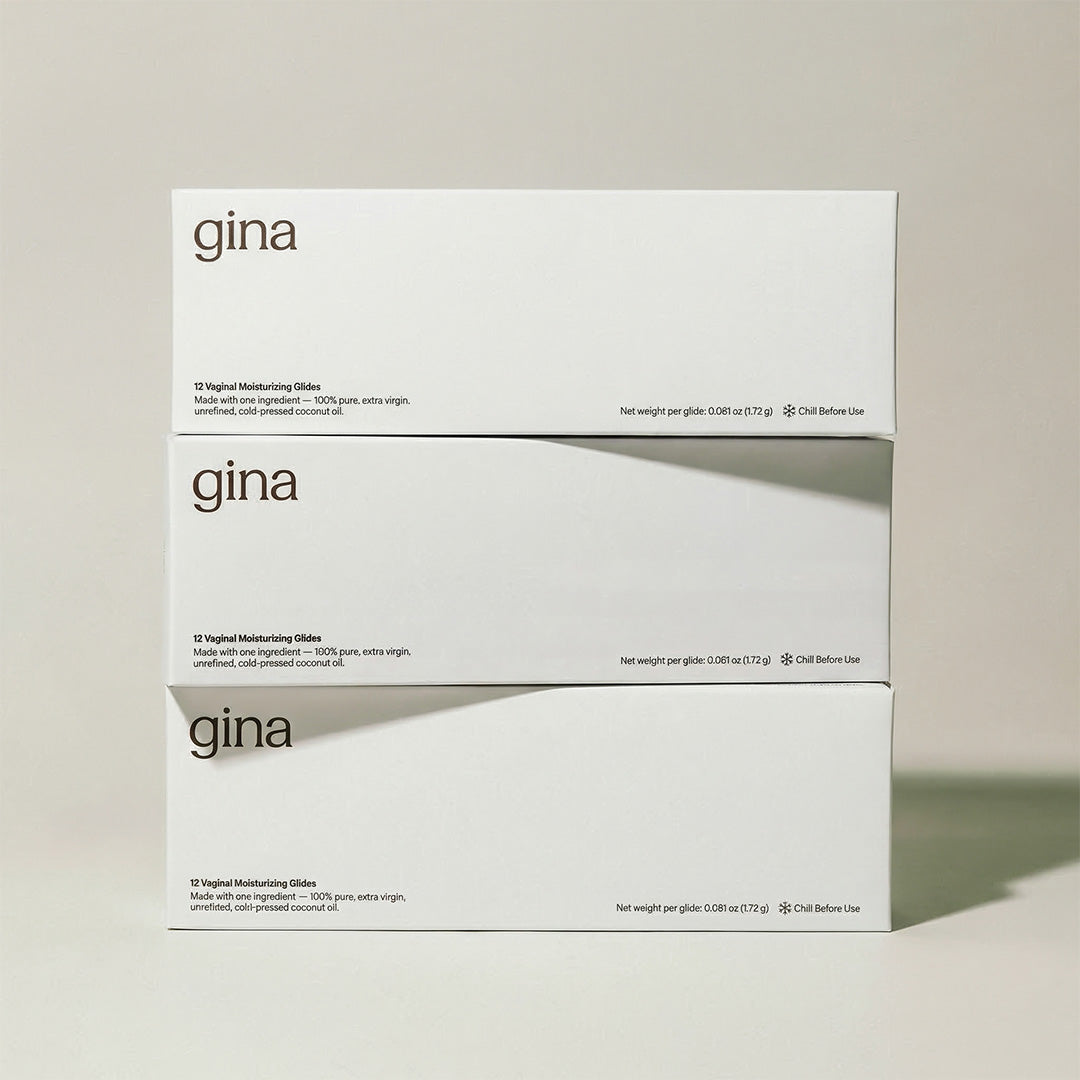
At gina, we believe vaginal care should feel natural, uncomplicated, and empowering — not clinical or embarrassing. Your body deserves thoughtful care at every stage of life.
If you’re experiencing ongoing dryness or discomfort, speaking with a healthcare provider can help you find the right solution for your body and your lifestyle.
Because comfort isn’t a luxury it’s essential.
