

Your Guide to Vaginal Wellness Terms
A simple, scannable guide to common vaginal wellness terms - what they mean, how they’re used, and where to learn more. Use this glossary to feel more informed and confident as you explore everyday comfort options.
Survey and educational content are shared for informational purposes only. It is not medical advice. If symptoms are persistent, severe, or concerning, consider speaking with a qualified clinician.
Common experiences
Vaginal dryness
A common experience where the vaginal area feels less lubricated than usual. People may notice discomfort, friction, or a feeling of tightness, especially during daily activities or intimacy.
Vaginal comfort
A general term people use to describe how the vaginal area feels day-to-day, such as moisture,ease, and reduced friction. Comfort can change across seasons, stress levels, or life stages.
Irritation
A feeling of discomfort that may include stinging, redness, or sensitivity. Irritation can be triggered by friction, products, fabrics, or changes in routine.
Sensitive skin
A tendency to react more easily to products, friction, or environmental factors. People with sensitive skin often prefer simpler formulas and fewer potential irritants.
Your Guide to Vaginal Wellness Terms
Vaginal moisturizer
A product designed for ongoing, everyday comfort often used on a routine schedule rather than only right before intimacy. Moisturizers are typically meant to provide longer-lasting support than a lubricant alone.
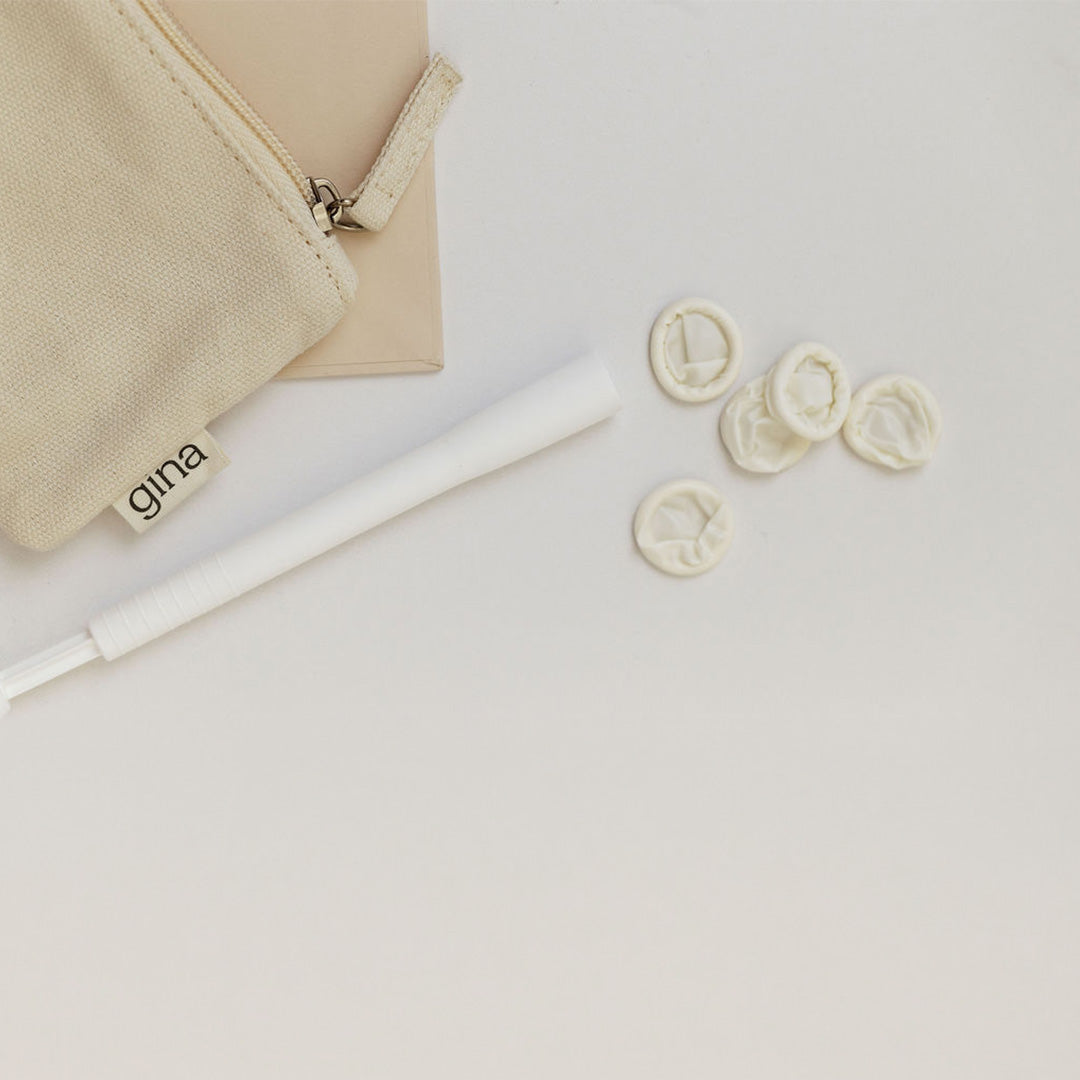
Vaginal moisturizer insert
A vaginal moisturizer that comes in a small, insertable form (sometimes described as an ‘insert’ or ‘melt’). Inserts are typically used as part of a routine and are designed for convenience and
targeted use.
Lubricant
A product designed to reduce friction during intimacy or when extra glide is needed. Lubricants are usually used right when you need them, and the effect is often shorter-term.
Moisturizer vs lubricant
A simple way to think about it: moisturizers are often used routinely for ongoing comfort, while lubricants are often used ‘in the moment’ to reduce friction. Some people use both depending on their needs.
Suppository (terminology)
A general term for an insertable product. Some brands use this word for moisturizers; others prefer terms like ‘insert’ or ‘melt.’ The best term depends on what feels clearest and most comfortable for your audience and compliance needs.
Insert/Melt
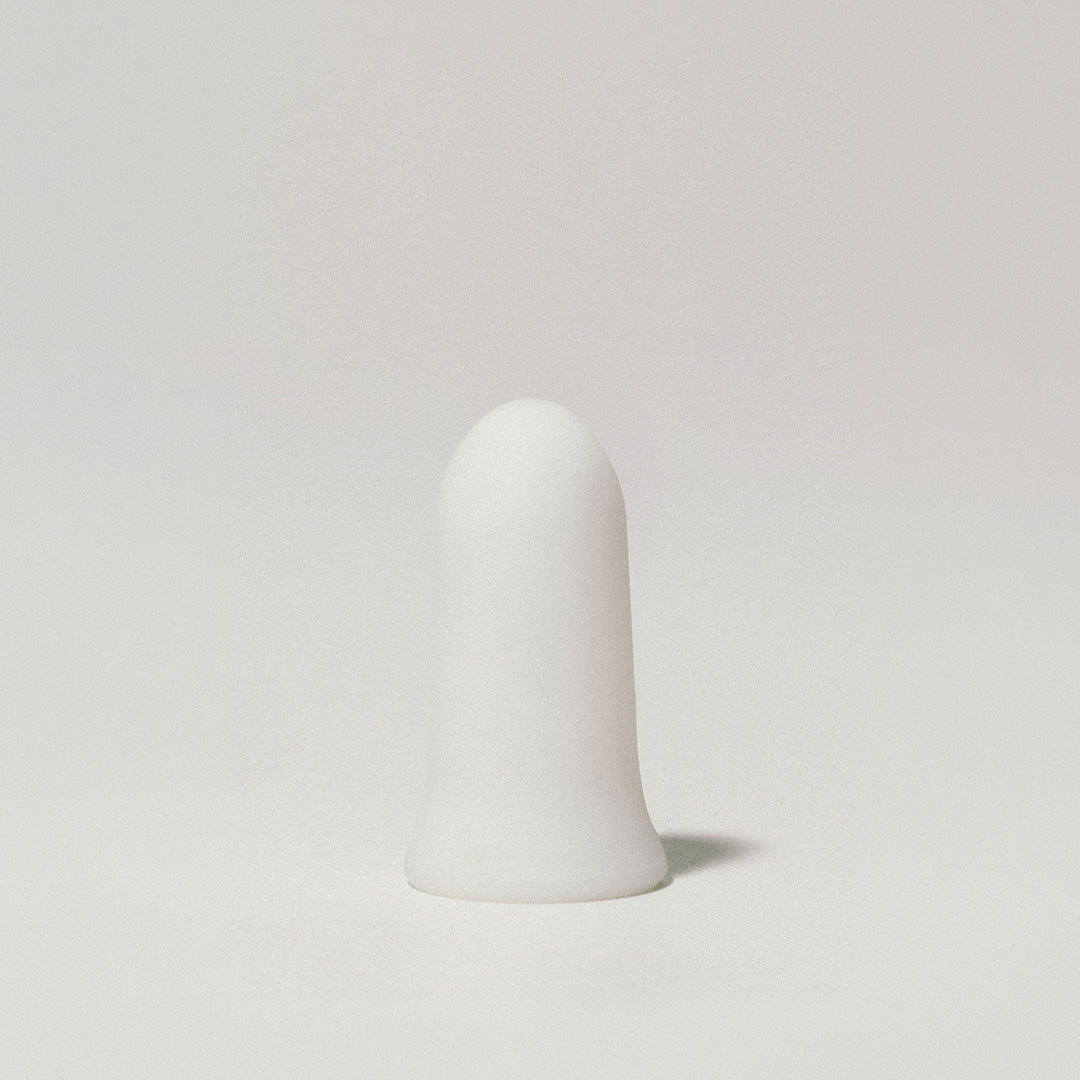
Common terms used for small, insertable forms of a product. These terms are often used to describe how the product is used (inserted) and what it does (softens or melts at body temperature).
Applicator
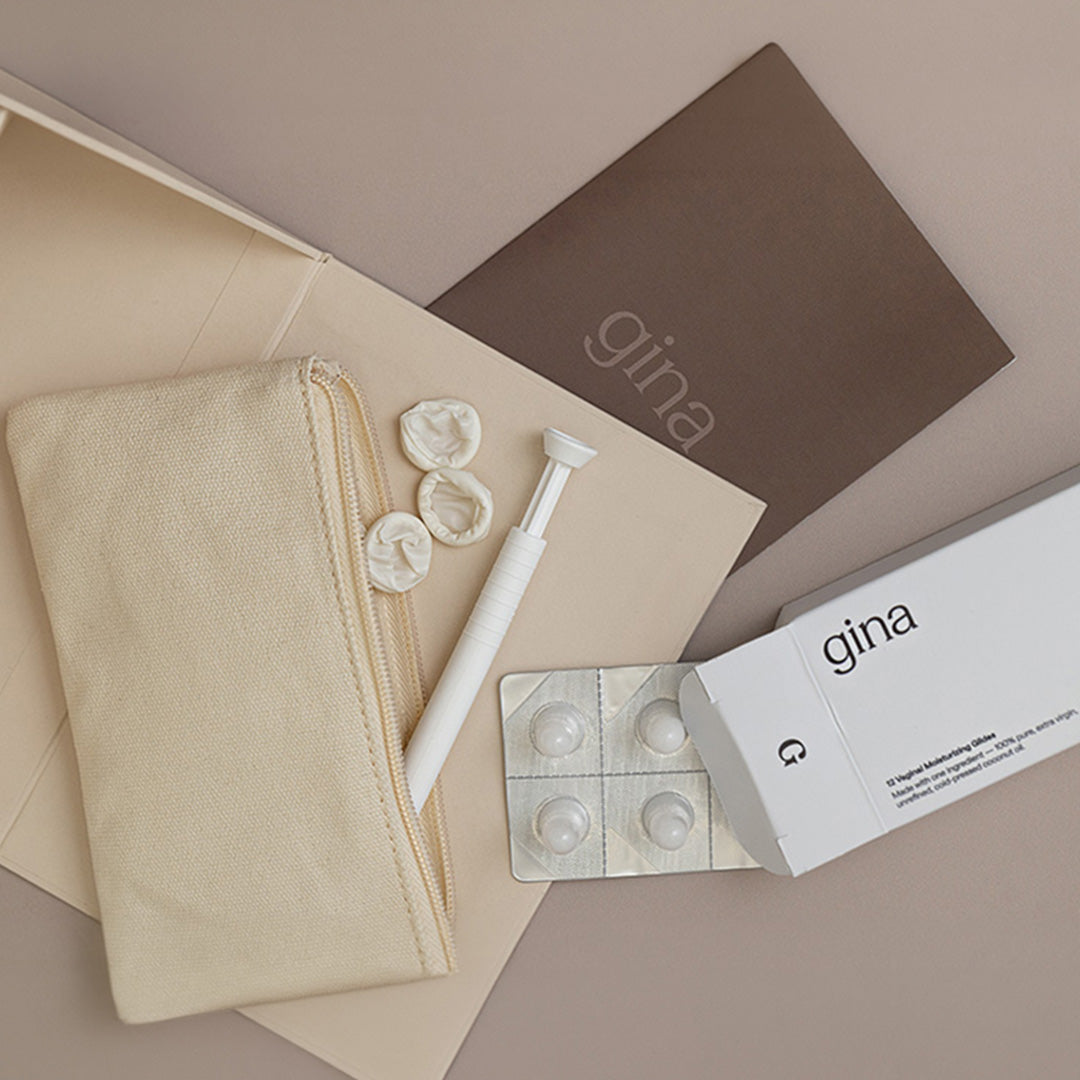
A tool designed to help place an insert comfortably and precisely. Some people prefer using an applicator for ease, hygiene, or consistency—especially when they’re new to a routine.
Hygiene (for vaginal care routines)
Simple habits that help keep routines comfortable—like clean hands, storing products properly, and following the intended use instructions. If you use an applicator, following cleaning or replacement guidance matters.
Discreet packaging
Shipping and packaging designed to feel private and neutral. Discreet packaging can reduce anxiety about deliveries and make reordering feel more comfortable.
Life stages and context
Perimenopause
The transition phase leading up to menopause. People may notice shifts in cycles and changes in comfort that vary from month to month.
Menopause
A life stage defined as 12 months without a period. Many people notice changes in comfort during and after this transition.
Postpartum
The period after giving birth when the body is recovering and adjusting. Comfort can change due to many factors, and routines may need to be gentler and simpler.
Ingredients and labels (plain-language)
pH (vaginal environment)
pH is a measure of acidity/alkalinity. The vaginal environment naturally has a pH range that can shift across life stages and routines. If you’re sensitive, choosing products designed for comfort and clarity can help.
Fragrance-free
A label that typically means no added fragrance ingredients. Many people who are sensitive prefer fragrance-free options to reduce the chance of irritation.
Hormone-free
A label used for products that do not contain hormones. If hormone-free is important to you, confirm the product label and consult a clinician if you have questions about what’s right for your situation.
Naturally derived ingredients
A broad label that usually means some ingredients originate from natural sources. It doesn’t automatically guarantee suitability for everyone, so it’s helpful to review the full ingredient list - especially if you’re sensitive.
Clinician-informed
A phrase used to indicate that a product or content was developed with input from clinicians. It should be backed by clear details on who was involved and what that involvement means.
Patch test
A simple way to check how your body reacts to a new product by trying a small amount first (when applicable) and waiting to see how you feel. If you’re prone to irritation, a cautious approach can be helpful.
Brand-specific terms (Gina)
Glide (Gina term)
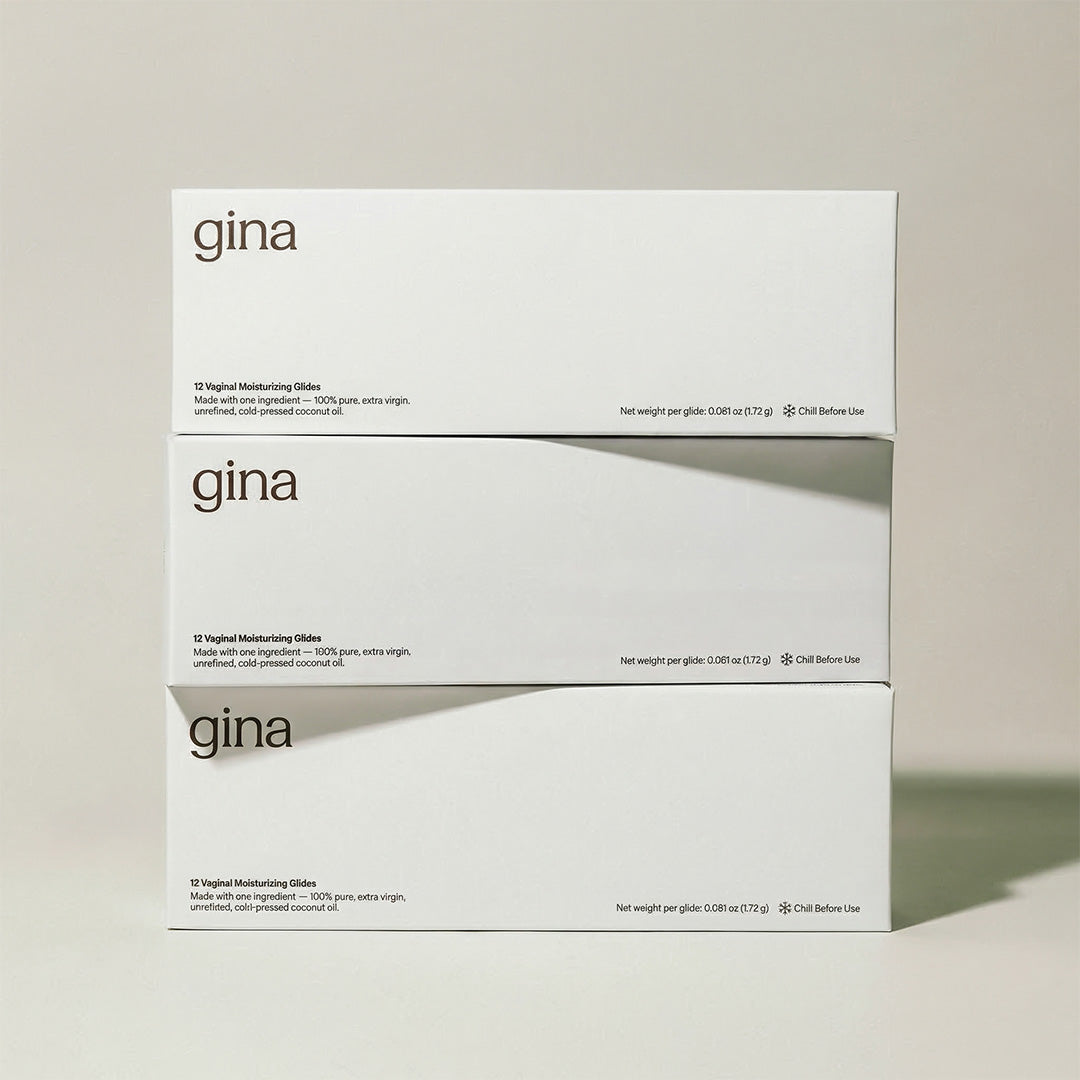
‘Glide’ is Gina’s name for its insert-style moisturizer format. On the website, it can help to pair the brand term with a generic descriptor (like ‘vaginal moisturizer insert’), so shoppers immediately understand what it is.
Moisturizing Glide (Gina product)
Gina’s insert-style product is designed for everyday comfort routines. This glossary page should link to the product page, how-to instructions, and FAQs so shoppers can explore confidently.
Ask a Nurse Practitioner
A support option where you can ask questions and get guidance on site navigation, product use, and general comfort routines. This is informational support and not a substitute for medical care.
