

Life Transitions, Hormone Balance & Intimacy

A woman’s body is always in conversation with her life. Hormones respond not only to biology, but to experience - stress, joy, loss, love, responsibility, and time. As life transitions unfold, hormone balance often shifts alongside them, quietly influencing how intimacy feels.
At gina, we believe understanding these changes brings relief. When we stop expecting our bodies to stay the same, we can meet intimacy with compassion instead of pressure.
Hormones & Intimacy Are Deeply Connected
Hormones play a role in how the body experiences comfort, sensitivity, desire, and ease. When balance shifts, intimacy can feel different - sometimes more tender, sometimes more distant, sometimes simply unfamiliar and unfair.
These changes aren’t signs of disconnection or failure. They’re signs of a body responding to life.
Life Transitions That Can Affect Intimacy
Early Adulthood & Major Life Changes
Career building, changing relationships, disrupted sleep, and emotional stress can all influence hormone rhythms. Intimacy may feel less spontaneous, requiring more presence and intention.
Pregnancy, Postpartum & Motherhood
The body stretches, recovers, and recalibrates - often while emotional energy is directed outward. Intimacy during this time often shifts toward gentleness and patience.
Chronic Stress & Caregiving
Long-term stress and emotional labor can quiet desire and increase sensitivity. When the nervous system is taxed, the body may struggle to relax into intimacy.
Perimenopause & Menopause
Hormonal fluctuations can affect moisture, comfort, and responsiveness. Intimacy may require more time, softness, and supportive care, but it can also deepen emotionally as communication and awareness grow.
Loss, Grief & Emotional Transitions
Major emotional shifts can impact hormone balance and the way the body experiences closeness. Intimacy may ebb and flow, asking for understanding rather than expectation.
How These Shifts Show Up in Intimacy
During hormonal transitions, women often notice:
- Changes in comfort or sensitivity
- Shifts in desire or arousal
- A need for slower pacing
- A greater importance of emotional safety
- Intimacy feeling different - not worse, just changed
Recognizing these patterns helps remove shame and replace it with care.
Take Care Down There




Supporting Intimacy Through Transition
A wellness-led approach to intimacy focuses on listening rather than pushing. Small, supportive practices can make a meaningful difference:
- Slowing down and removing pressure
- Communicating openly with your partner
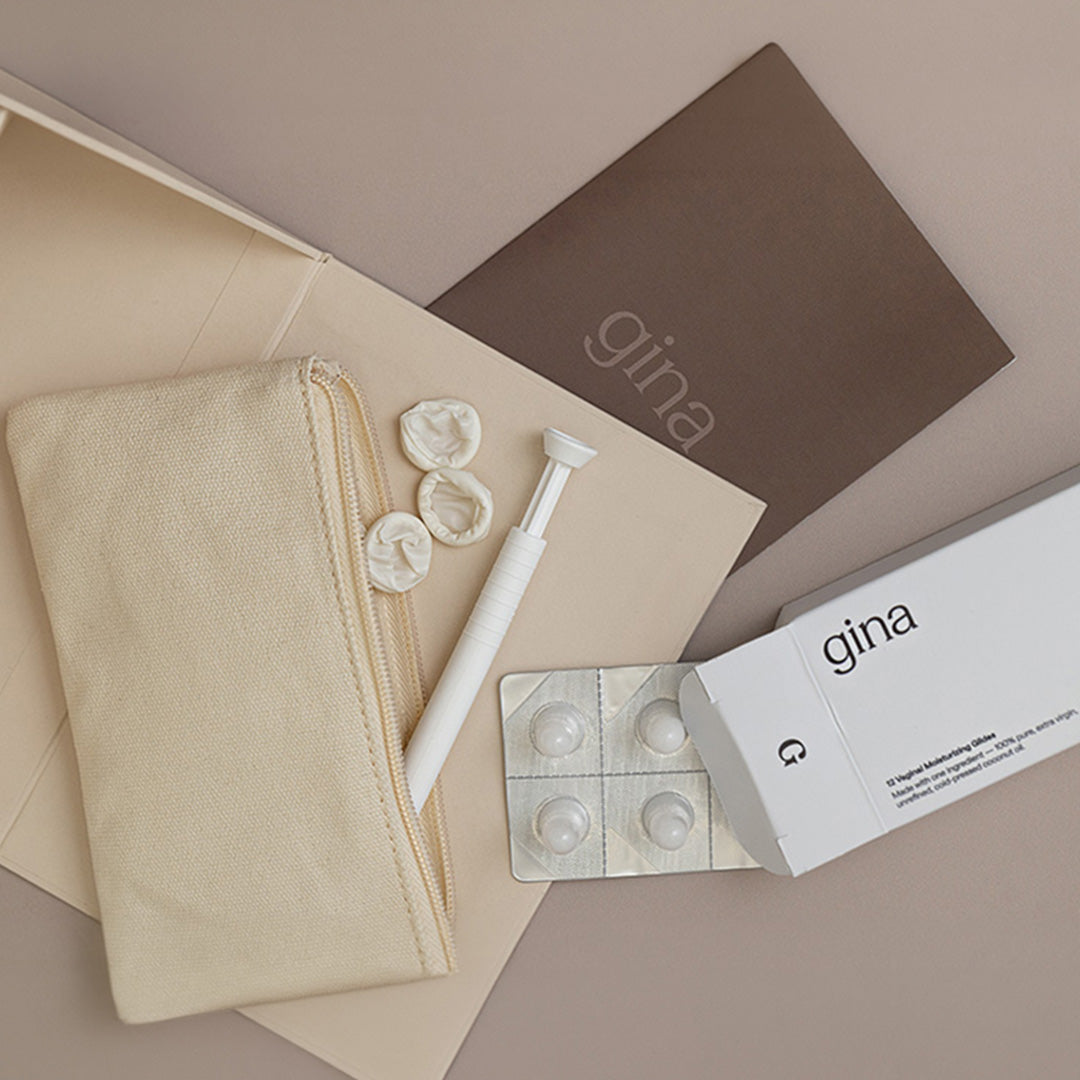
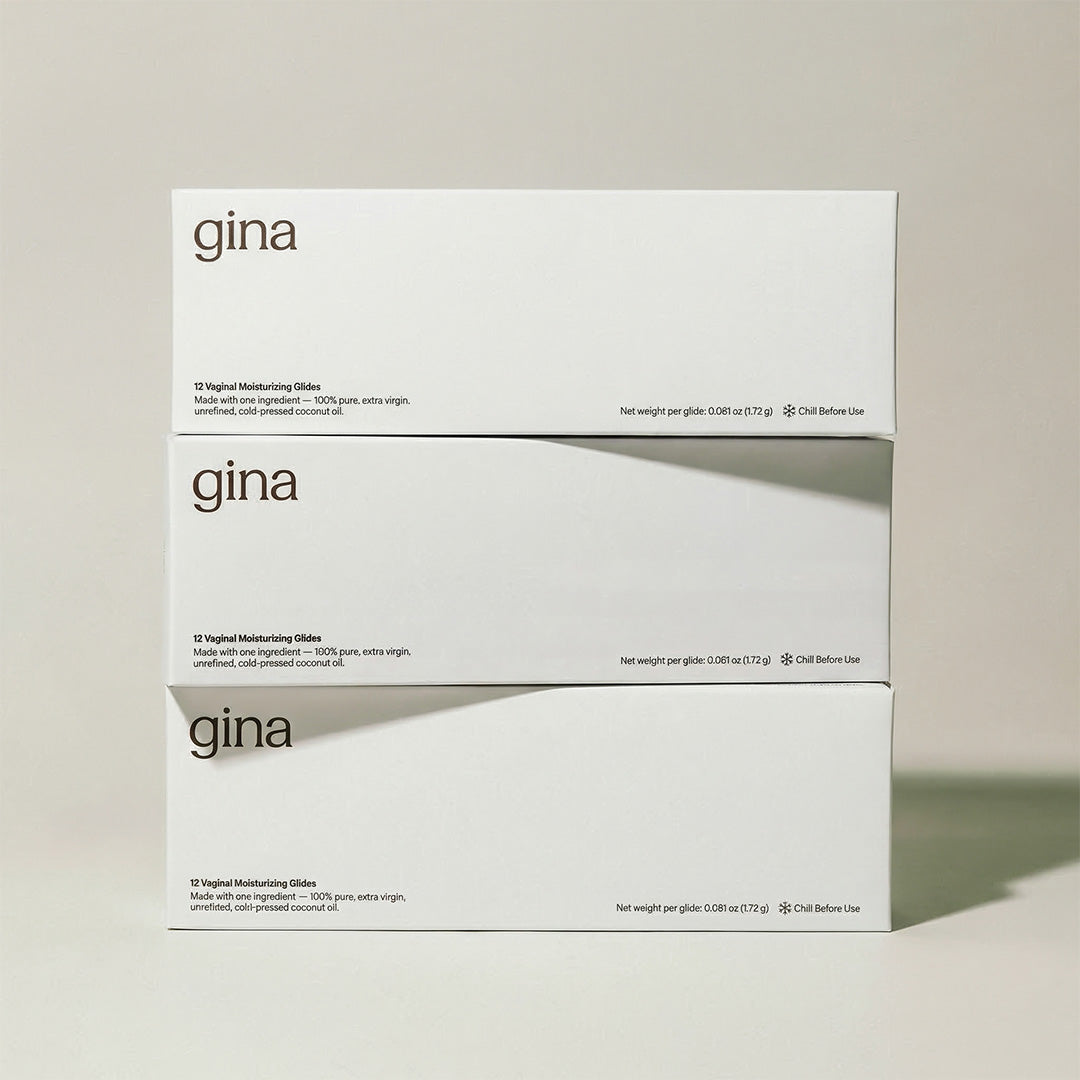
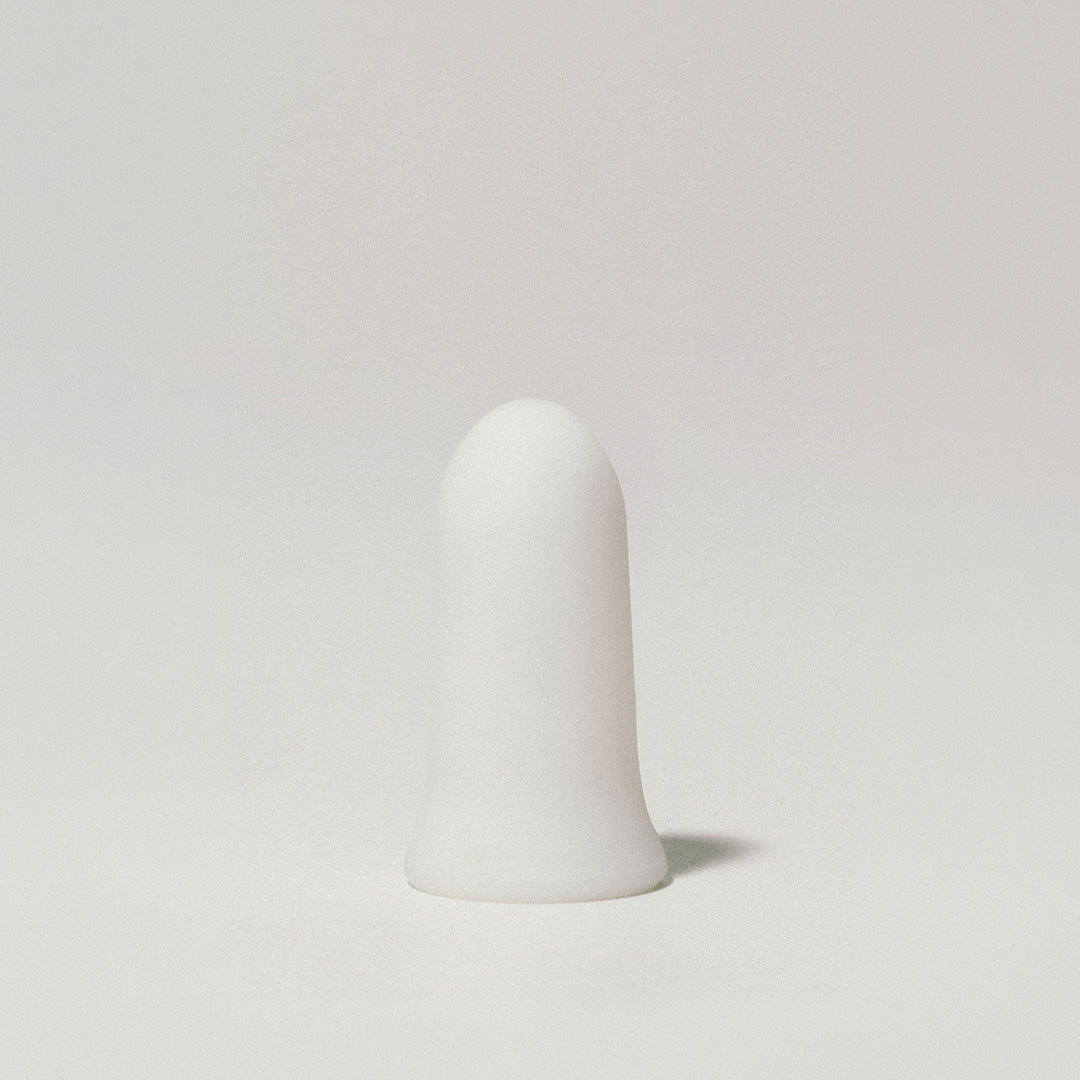
- Supporting moisture and softness when needed
- Choosing gentle, familiar care
- Honoring boundaries without guilt
When the body feels supported, connection becomes more accessible.
Intimacy Evolves and That’s Natural
Intimacy isn’t meant to stay the same through every season of life. It evolves as we do - shaped by growth, change, and deeper understanding of ourselves and our needs.
When hormone balance shifts, intimacy doesn’t disappear - it simply asks for a new language.
