

Vaginal dryness isn’t exactly a dinner-party topic. It’s more like that one uninvited guest who shows up, takes the good seat on the couch, and makes everything feel mildly less comfortable than it used to.
If you’ve had a “Why does this suddenly feel like sandpaper?” moment, during a long day in jeans, a workout, a flight, a stressful week, or just existing—you’re not alone. Dryness can show up quietly, and it doesn’t always come with a clear reason or a convenient timeline.
Here’s a clear, no-drama guide to what vaginal dryness can feel like, why it happens, what may help, and where to get extra support if you want it.
Educational information only. Not medical advice.
Quick Skim
- What dryness can feel like
- Why dryness happens
- What may help (simple routines)
- Lubricant vs vaginal moisturizer
- When to get extra support
- FAQs
What Vaginal Dryness Can Feel Like
Dryness isn’t always “dry.” Sometimes it feels like:
- Extra friction (walking, sitting, leggings, cycling)
- Sensitivity or irritation
- Tightness
- Mild burning or discomfort
- The feeling that your body used to come with “auto-moisturize” and the subscription expired
It can show up in everyday life, not just in intimate moments. And it can come and go depending on stress, routines, and life stage changes.
Why Dryness Happens (Usually It’s Not Just One Thing)
Bodies are complex. Vaginal dryness is often influenced by multiple factors rather than a single cause.
Life Stage Changes
Many people notice changes in vaginal comfort during life transitions, especially perimenopause and menopause. Even outside of those transitions, comfort levels can shift over time.
Stress, Travel, and Routine Disruptions
High stress, poor sleep, major schedule changes, and travel can affect how your body feels overall. When routines become chaotic, comfort is often one of the first things to feel “off.”
Products and Irritants
Sometimes it’s not your body — it’s your soap.
Dryness and irritation may be triggered by:
- Fragranced washes and “freshening” products
- Harsh soaps used near sensitive areas
- Heavily scented laundry detergents or fabric softeners
- Frequent baths with strong additives
- Anything that leaves you feeling tight, itchy, or uncomfortable afterward
If comfort is the goal, simpler is often better.
Friction and Clothing
Tight clothing, extended time in sweaty fabrics, and repetitive rubbing (exercise, long walks, hot weather) can worsen dryness symptoms.
Medications and Treatments
Some medications and medical treatments may contribute to vaginal dryness. If symptoms began after starting a new medication or treatment, consider discussing it with a qualified clinician.
What May Help (Practical, Low-Drama Options)
Dryness often improves with gentle adjustments and a consistent comfort routine.
1) Simplify Your Routine
- Choose gentle, fragrance-free products
- Avoid harsh or overly “freshening” products
- Wear breathable underwear
- Change out of sweaty clothing promptly
- Pause products that regularly cause irritation
The goal is to reduce friction and eliminate triggers.
2) Consider a Comfort Routine
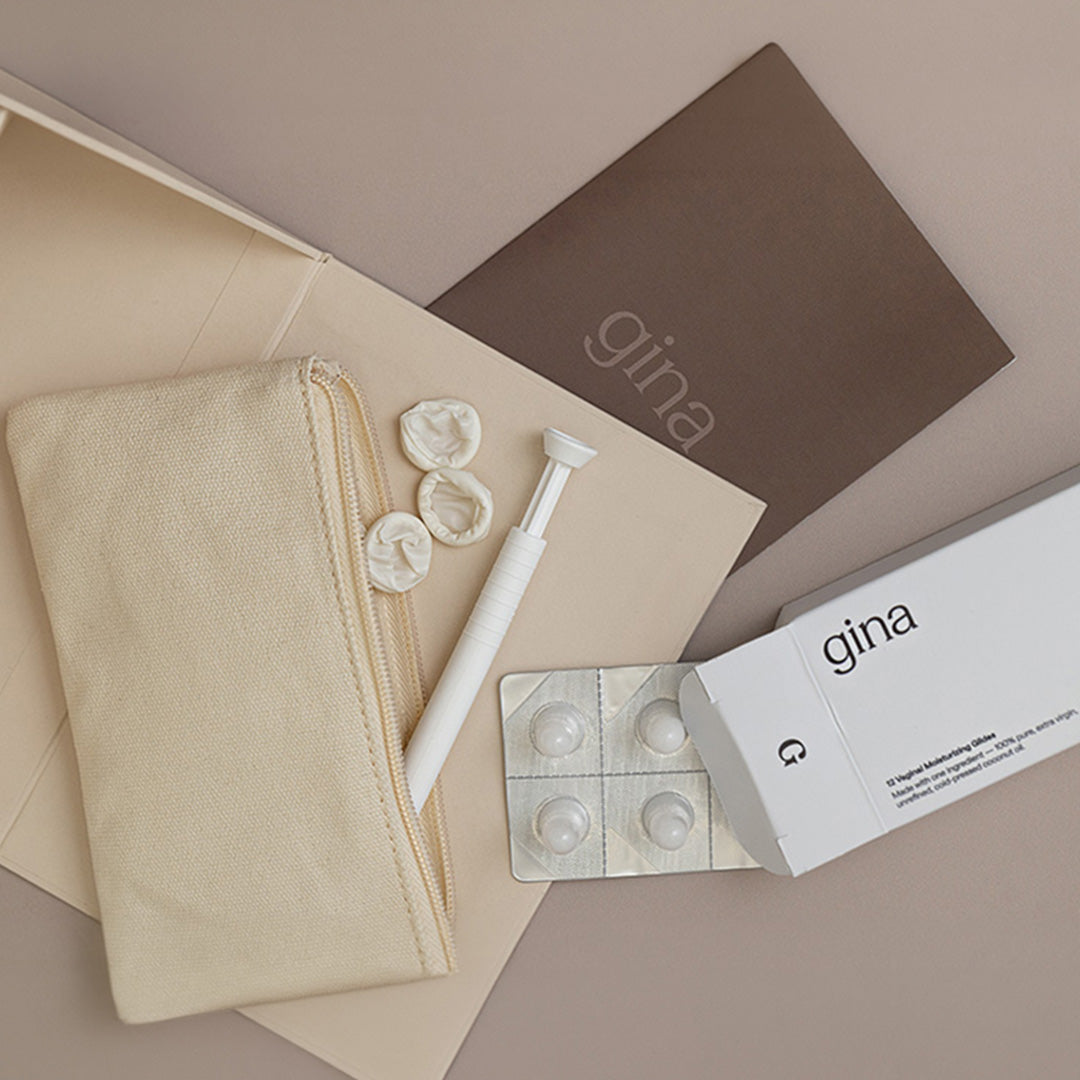
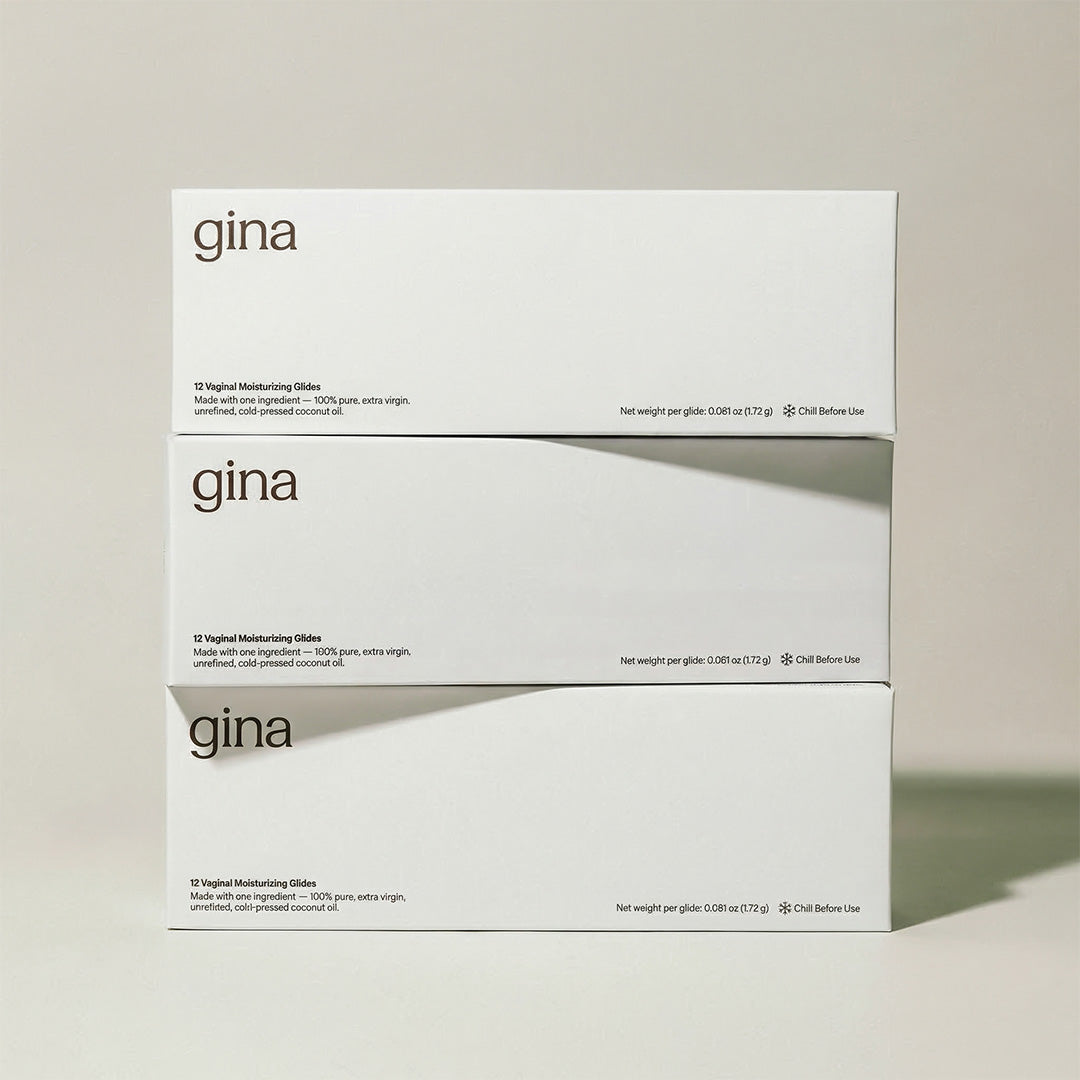
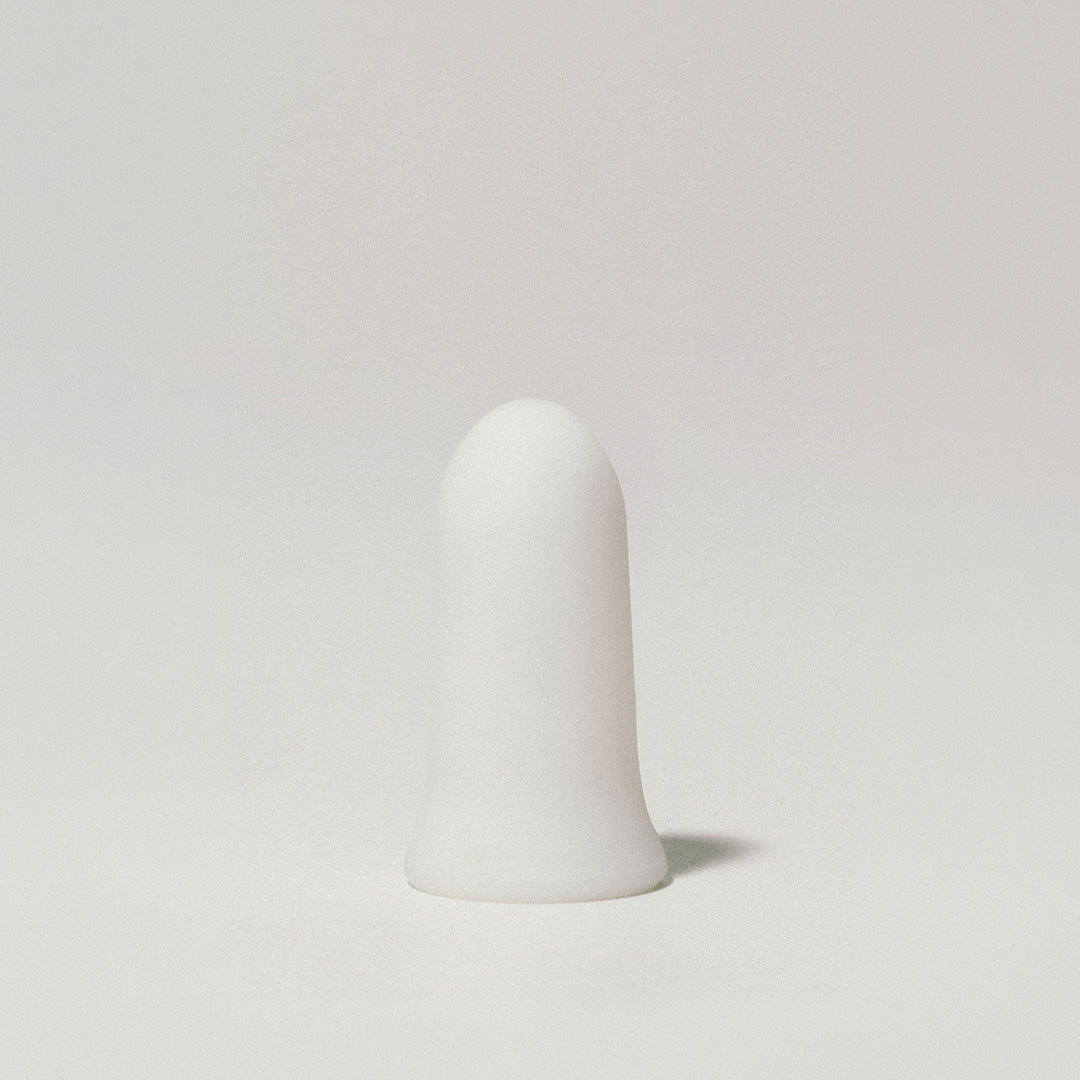
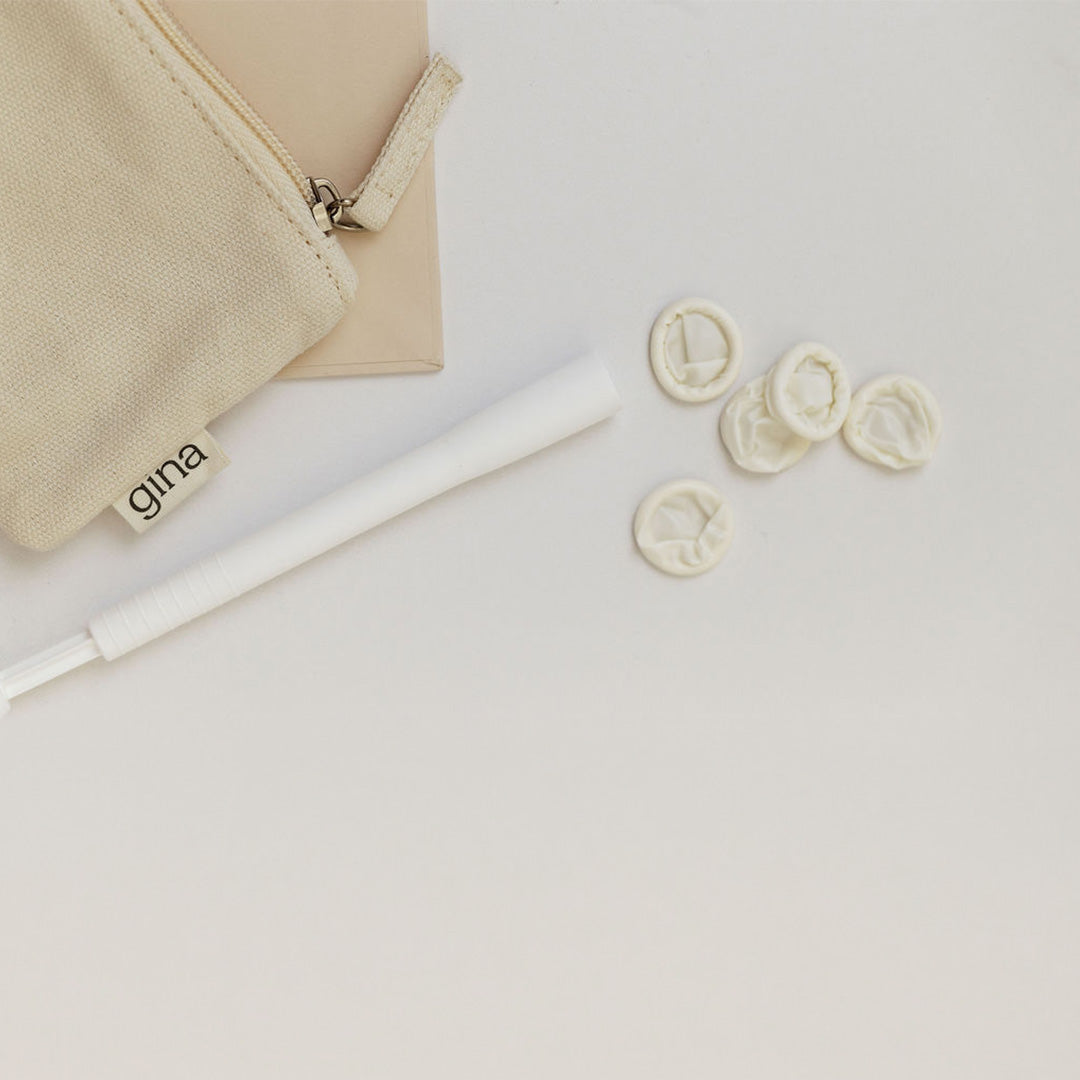
Some people find that a consistent vaginal moisturizer routine supports everyday comfort, especially when dryness extends beyond occasional moments.
Lubricant vs Vaginal Moisturizer (The Simple Difference)
Here’s an easy way to understand the difference:
- Lubricant: Used as needed to reduce friction in the moment.
- Vaginal Moisturizer: Used on a routine schedule to support ongoing moisture and comfort.
Some people use one, some use both. The right choice is the one that feels best for your body.
A Simple 3-Step Comfort Plan
-
Remove irritants for 1–2 weeks.
Go fragrance-free and simplify your routine.
-
Add comfort support.
Consider a lubricant for immediate friction or a moisturizer for ongoing comfort.
-
Track what changes.
Notice patterns involving clothing, stress, travel, workouts, sleep, and products.
If you’d like to explore comfort products designed for vaginal moisture support, browse the collection here:
A Note on Intimacy
Dryness can show up during intimacy, but it can also appear in everyday life. If it happens during intimacy, a lubricant may help reduce friction. If dryness occurs throughout the week, a vaginal moisturizer routine may support more consistent comfort.
Where to Get Extra Support
If dryness feels persistent, intense, or concerning, consider speaking with a qualified clinician.
For informational support and clinician-informed resources, visit:
Gina Nurse Practitioner Resources
Educational and wellness information only. Not medical advice.
Helpful Resources
FAQs About Vaginal Dryness
1) Is vaginal dryness normal?
Yes. Vaginal dryness is common and can occur at different ages and life stages. Multiple factors may contribute.
2) What does vaginal dryness usually feel like?
It may feel like tightness, irritation, friction, sensitivity, or general discomfort.
3) What’s the difference between a lubricant and a vaginal moisturizer?
Lubricants reduce friction in the moment. Vaginal moisturizers are used regularly to support ongoing comfort.
4) Can dryness happen even if nothing changed?
Yes. Small shifts like stress, sleep, travel, or product changes can influence comfort.
5) Do certain soaps make dryness worse?
Fragrance and harsh cleansers may contribute to irritation. Switching to gentle, fragrance-free options can help.
6) What helps with everyday comfort?
Simplifying products, reducing irritants, wearing breathable fabrics, and using lubricant or moisturizer support.
7) When should I seek extra support?
If symptoms are persistent, intense, or concerning, speak with a qualified clinician.