

Why Discomfort Interrupts Intimacy (for Couples)

A Gentle, Science-Based Explanation - Without Blame
Discomfort doesn’t just affect one person - it affects the relationship. When intimacy becomes uncomfortable or painful, it can quietly change how both partners show up. Not because desire disappears, but because the body does what it’s designed to do - protect.
At gina, we believe understanding why discomfort interrupts intimacy helps couples replace confusion with compassion, and pressure with patience. When both partners understand what’s happening in the body, connection has room to return.
The Body Prioritizes Protection
Raw or intense discomfort triggers a protective response. The nervous system shifts into alert mode, muscles tighten, breath shortens, and the body becomes vigilant rather than receptive.
In this state, responses linked to intimacy - relaxation, arousal, natural lubrication - often quiet down.
This isn’t rejection.
It isn’t lack of desire.
It’s biology.
How Discomfort Changes Shared Sensation
When one partner experiences discomfort, the body may brace. Friction can increase. Touch that once felt good may suddenly feel overwhelming or distracting.
For couples, this can shift intimacy from connection to concern - focusing on managing sensation instead of enjoying closeness.
Discomfort doesn’t mean intimacy is broken.
It means the body is asking for gentler conditions and understanding from both partners.
The Nervous System Is a Shared Experience
Intimacy works best when both nervous systems feel calm and supported. Discomfort sends the opposite signal, and even the anticipation of discomfort can put the body into protect mode.
That’s why slowing down together matters. Reducing pressure, softening expectations, and prioritizing comfort allow the body to feel safe again. Communicate with honesty and intention.
Relaxation isn’t something you think your way into.
It’s something the body experiences.
Why This Is Common and Not Anyone’s Fault
Discomfort during intimacy is far more common than most couples realize. It can be influenced by stress, hormonal shifts, dryness, fatigue, life transitions, or simply moving faster than the body needs in that moment.
This isn’t a failure on either side. It’s responsiveness - and it deserves care, not blame
Discover Your Routine




Supporting Comfort as a Team
A wellness-led, couples-focused approach centers on helping the body soften again - together:
- Slowing the pace without frustration
- Reducing friction and irritation
- Supporting moisture and softness
- Choosing simple, familiar care
- Letting go of timelines and expectations
- Honest conversation
When comfort is supported, the body often stops bracing and intimacy becomes possible again.
Why gina Understands
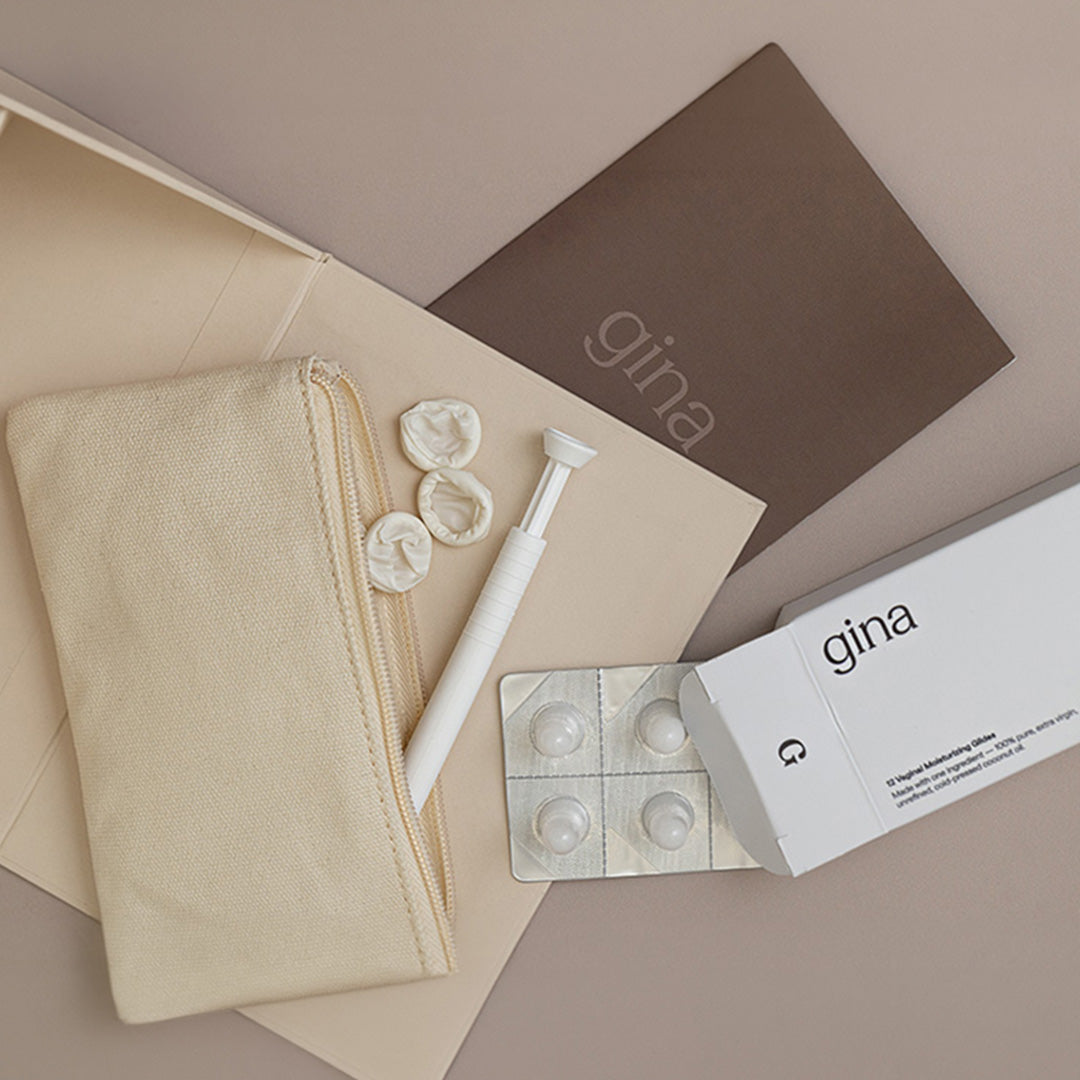
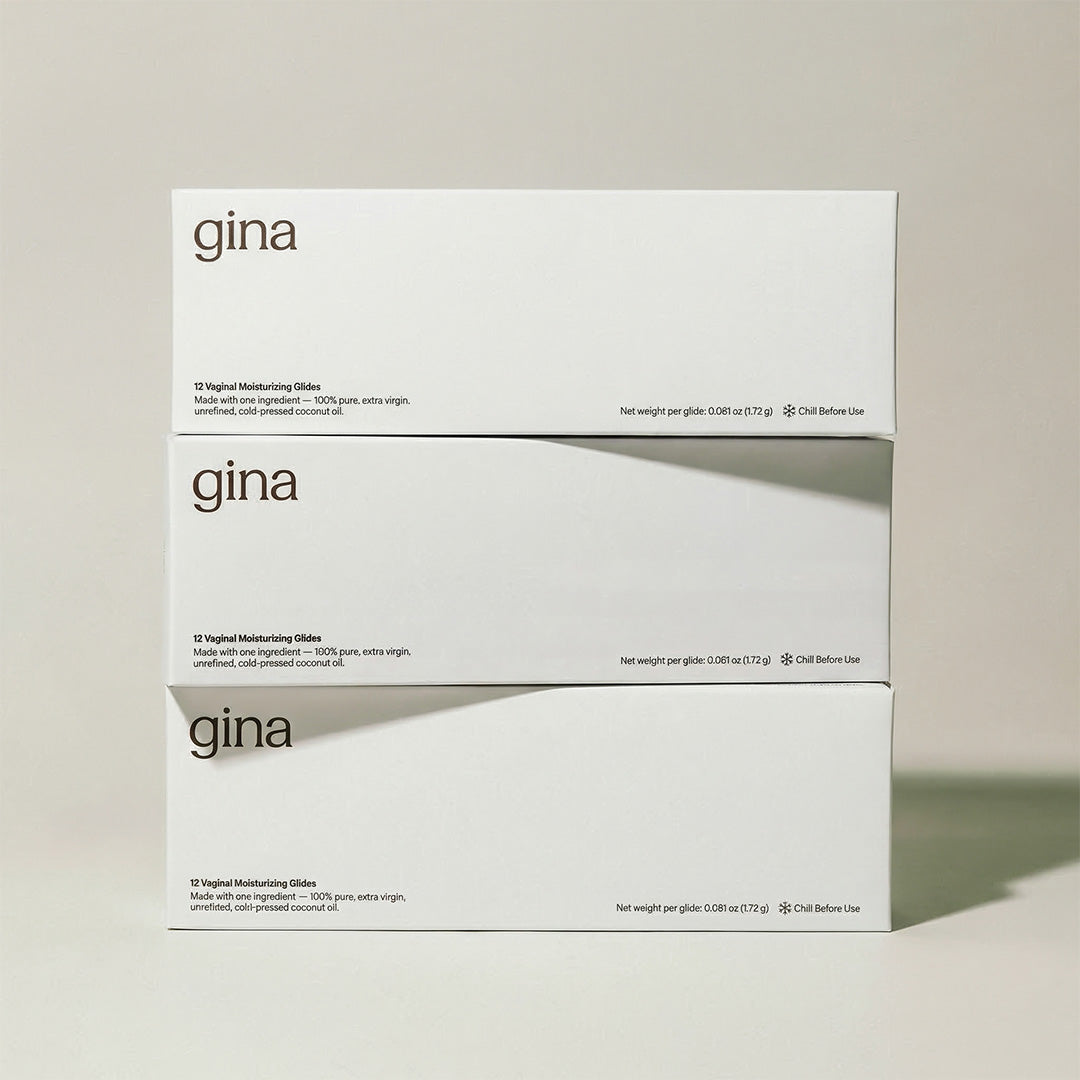
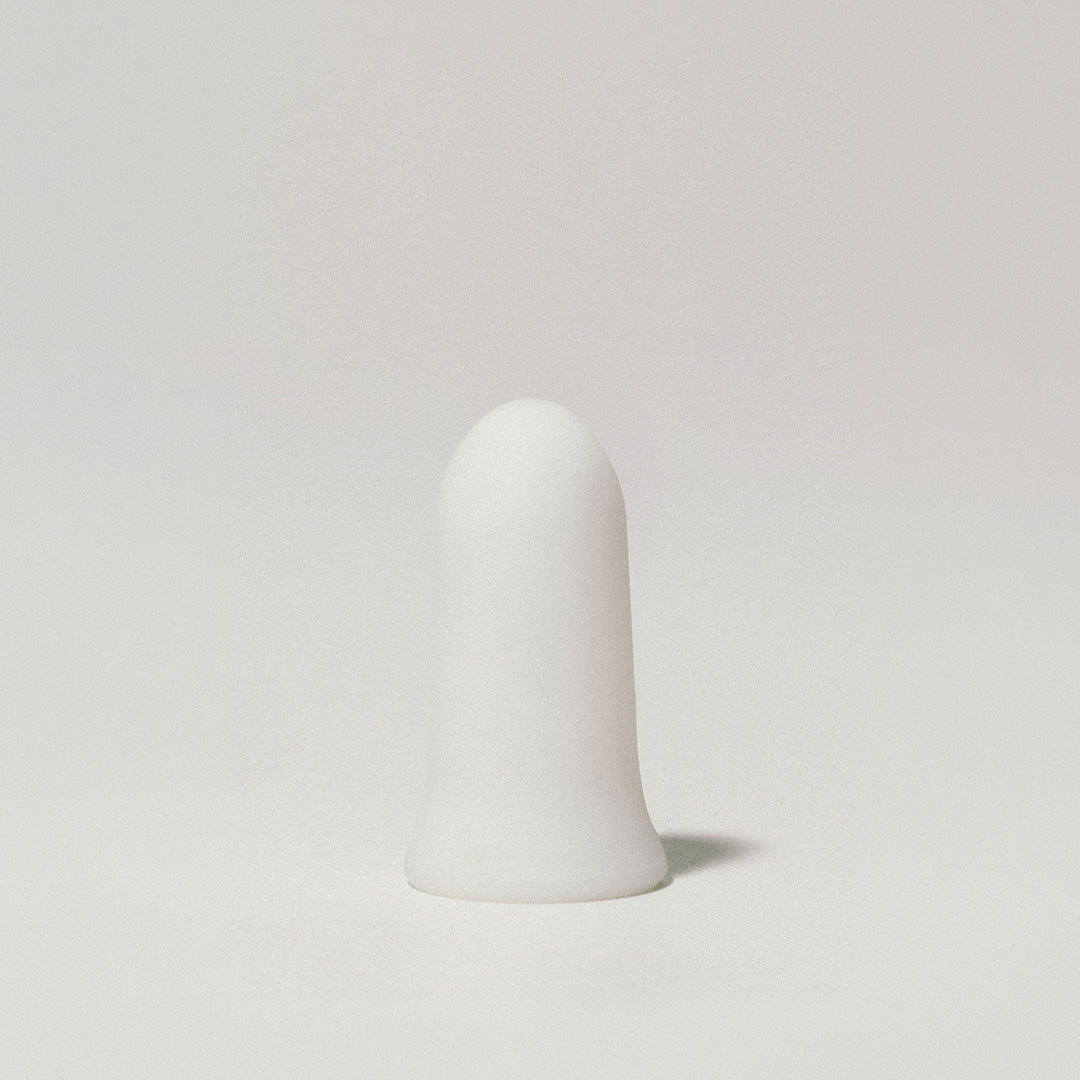
gina was created to support comfort when intimacy has been interrupted by discomfort. Made with pure, unrefined, cold-pressed coconut oil and a minimalist philosophy, it helps reduce friction and support softness - allowing the body to relax rather than defend.
gina doesn’t push the body to respond.
It gives couples permission to slow down.
A Kinder Way Forward Together
Agonizing discomfort isn’t a personal failure.
It’s information.
When intimacy is met with understanding instead of pressure, the body often responds with trust. And when trust returns, connection can follow - naturally, patiently, and in its own time.
Here’s to listening to the body’s signals together.
Here’s to care without blame.
Here’s to intimacy that returns through comfort, patience, and mutual respect.
