

Common Symptoms of Vaginal Atrophy

Understanding Vaginal Atrophy
(Often related to hormonal shifts, especially during perimenopause and menopause)
Vaginal atrophy describes changes that can happen when estrogen levels decline. These changes are common, gradual, and often under-discussed. Many women experience some or several of the symptoms below.
Changes in Comfort & Sensation
- Persistent dryness or lack of natural moisture
- A feeling of tightness, thinning, or fragility
- Burning, irritation, or sensitivity
- Discomfort during everyday movement or sitting
Changes During Intimacy
- Pain or discomfort during sex
- Increased friction or feeling less elastic
- Reduced natural lubrication, even with arousal
- Intimacy feeling strained, rushed, or avoided
Changes in the Tissue Itself
- Tissue that feels less flexible or less resilient
- Increased sensitivity to products, fabrics, or touch
- A feeling that the area is more reactive than before
Subtle Day-to-Day Signals
- Mild itching or irritation without a clear cause
- A general sense that something feels "off" or different
- Increased awareness of an area that once faded into the background
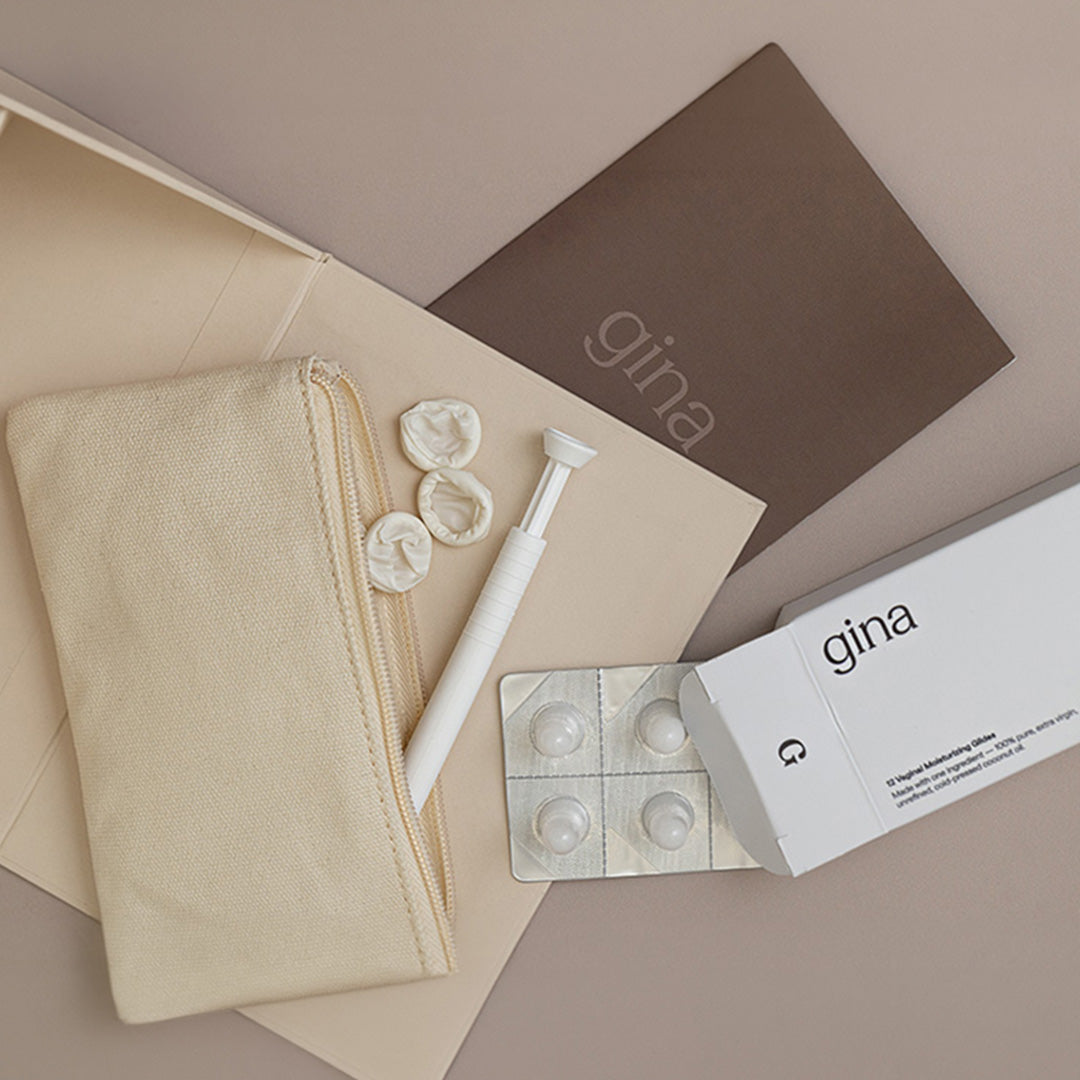
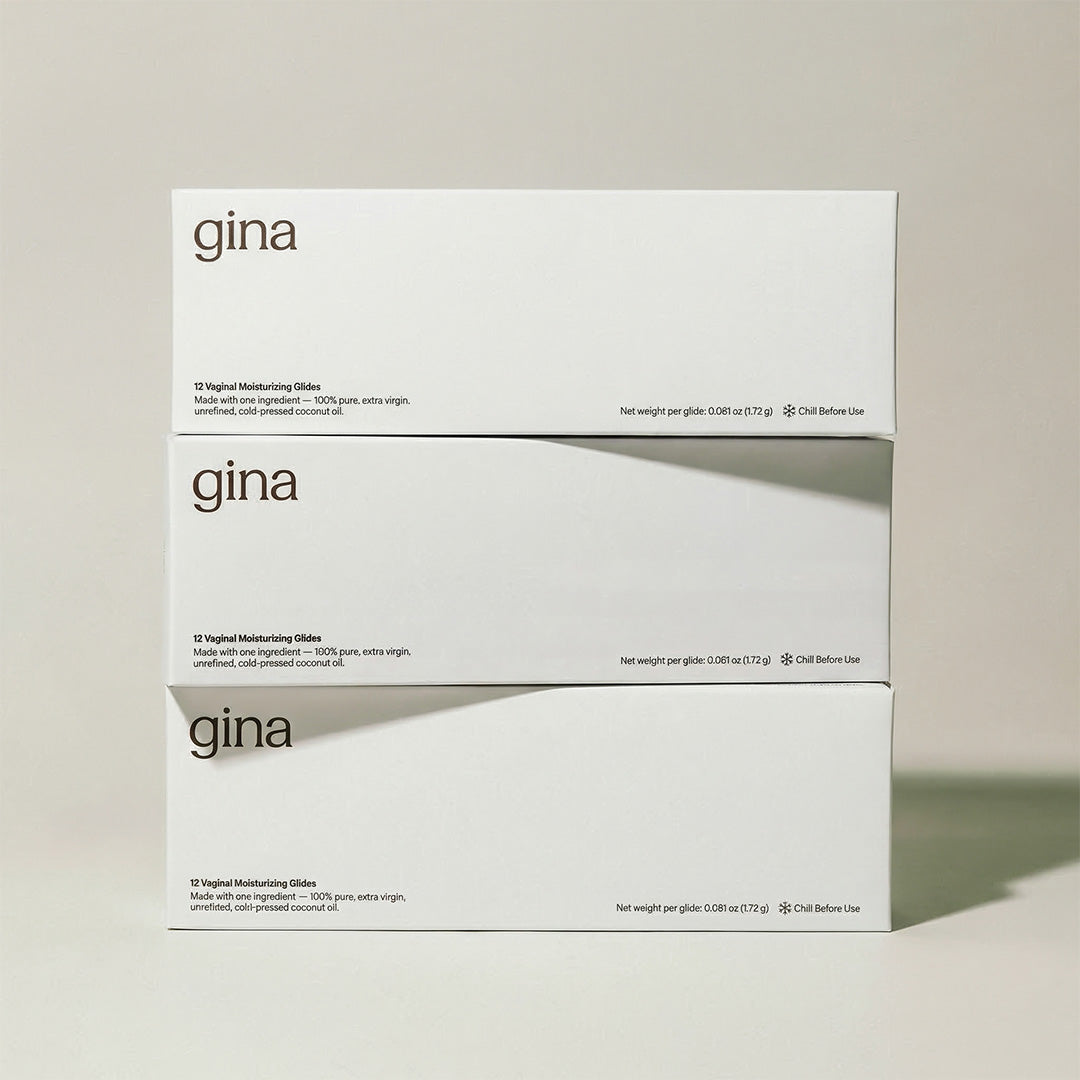
Discover Your Routine




A Gentle Reframe
These symptoms are not a personal failure, and they are not rare. They reflect how responsive vaginal tissue is to hormonal change, stress, aging, and life transitions.
Vaginal atrophy isn’t about something being "wrong."
It’s about the body asking for different care than it used to need.
With awareness, gentler routines, and comfort-supportive care, many women find that ease and confidence can return.
