

Coconut Oil vs. Hyaluronic Acid Vaginal Moisturizers: What’s the Difference?
When vaginal dryness becomes part of everyday life, choosing a moisturizer can feel surprisingly complicated. Coconut oil and hyaluronic acid are two ingredients you may come across when looking for nonhormonal moisture support. Both are used in intimate-care products, but they work differently and come with different practical considerations.
The most useful comparison is not which ingredient sounds more natural or more scientific. It is how each formulation works, what evidence supports it, how you prefer to use it, and whether it fits your comfort and safety needs.
Coconut oil vs. hyaluronic acid: a quick comparison
|
Consideration |
Coconut oil |
Hyaluronic acid |
|---|---|---|
|
Primary action |
An oil-based emollient that softens and helps reduce friction. |
A water-binding ingredient (humectant) used in moisturizing gels and inserts. |
|
Typical format |
Pure oil or oil-based products; gina uses pre-measured single-use glides. |
Usually a formulated gel, cream or insert; other ingredients vary by brand. |
|
Clinical evidence |
Used in some patient-care guidance, but fewer direct clinical studies for vaginal dryness. |
Studied in vaginal formulations, particularly for postmenopausal dryness. |
|
Barrier-method caution |
Oil can weaken latex condoms and some other barrier materials. |
Compatibility depends on the finished product; check the label. |
No head-to-head evidence shows that coconut oil is clinically superior to hyaluronic-acid vaginal moisturizers, or vice versa.
How each ingredient supports moisture
Coconut oil: softness and lubrication
Coconut oil is an oil, not a water-based gel. As an emollient, it can leave a soft, lubricating layer that reduces friction. Some people prefer the feel and ingredient simplicity of a pure oil. Others find oil-based textures less convenient or notice irritation. Just because an ingredient is familiar doesn't mean it suits everyone.
Hyaluronic acid: water-binding moisture
Hyaluronic acid attracts and holds water. In vaginal moisturizers, it is typically included in a formulated gel, cream, or insert designed to help maintain moisture. The complete ingredient list matters: one hyaluronic-acid product can differ substantially from another in texture, preservatives, and instructions.
What does the evidence say?
Hyaluronic-acid vaginal products have been studied in clinical trials, especially among postmenopausal women experiencing dryness. A 2026 systematic review reported encouraging results while noting variation in study quality, product formulations, and follow-up. That evidence does not establish that every hyaluronic-acid moisturizer works equally well.
Coconut oil appears in patient education as an option some people use for vaginal or vulvar moisture. However, clinical evidence specific to coconut oil for vaginal dryness is more limited, and available studies do not justify claims that coconut oil treats the underlying cause of dryness or outperforms other moisturizers.
Moisturizers can improve comfort, but they do not necessarily address the cause of dryness. Hormonal changes, medication effects, irritation, or other conditions may require a different approach.
Texture, ingredients, and everyday use
For many people, the choice comes down to what feels comfortable and manageable in a routine. A pure coconut-oil product can offer a short, recognizable ingredient list. Hyaluronic-acid products generally require a finished formulation, so check the ingredient panel rather than assuming all gels are identical.
A moisturizer is different from a lubricant used only at the time of sex. Vaginal moisturizers are commonly incorporated into an ongoing care routine; lubricants are mainly used to reduce friction during sexual activity. Some products serve overlapping purposes, but you should follow the instructions for the specific product.
Condom compatibility and sensitivity matter
Coconut oil and other oil-based products can weaken latex condoms, increasing the risk of breakage. Some non-latex barrier materials are also incompatible with oil. If you depend on condoms or another barrier method, check the barrier and moisturizer manufacturers’ compatibility instructions rather than assuming that “non-latex” always means oil-compatible.
Hyaluronic acid itself does not determine condom compatibility. Check the finished product’s directions and ingredient list. With either option, stop using it if you notice irritation, and seek professional advice if symptoms persist or are concerning.
How to decide which moisturizer may suit you
- Start with the use case. Are you looking for ongoing moisture support, reduced friction during intimacy, or both?
- Check condom and barrier compatibility before considering an oil-based option.
- Compare complete formulations, especially if you prefer fewer ingredients or have a history of sensitivity.
- Choose a format you can use correctly and consistently, based on the manufacturer’s directions.
- If dryness is new, recurrent, painful or accompanied by bleeding, unusual discharge, itching or burning, speak with a qualified clinician rather than relying on a moisturizer alone.
Where gina fits
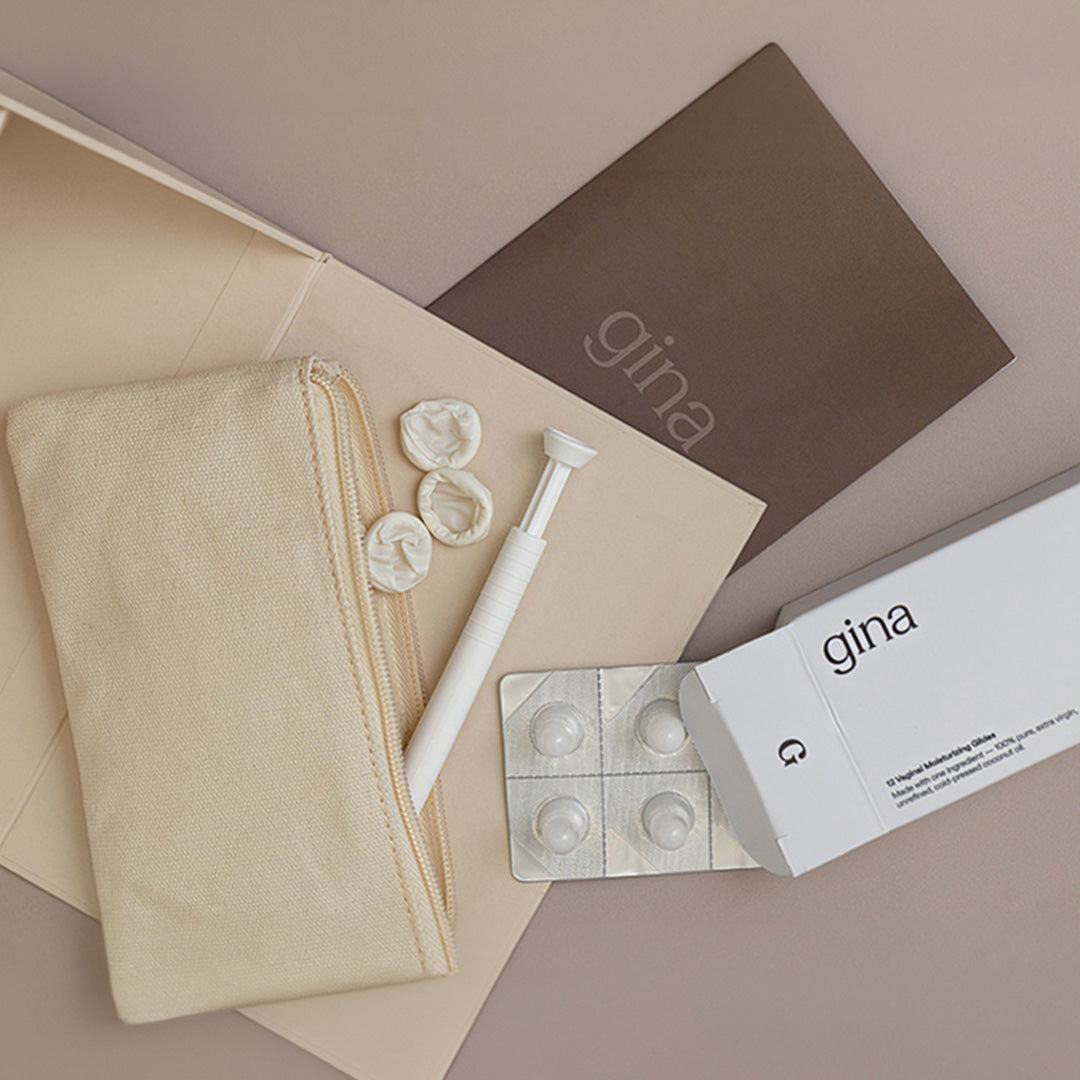
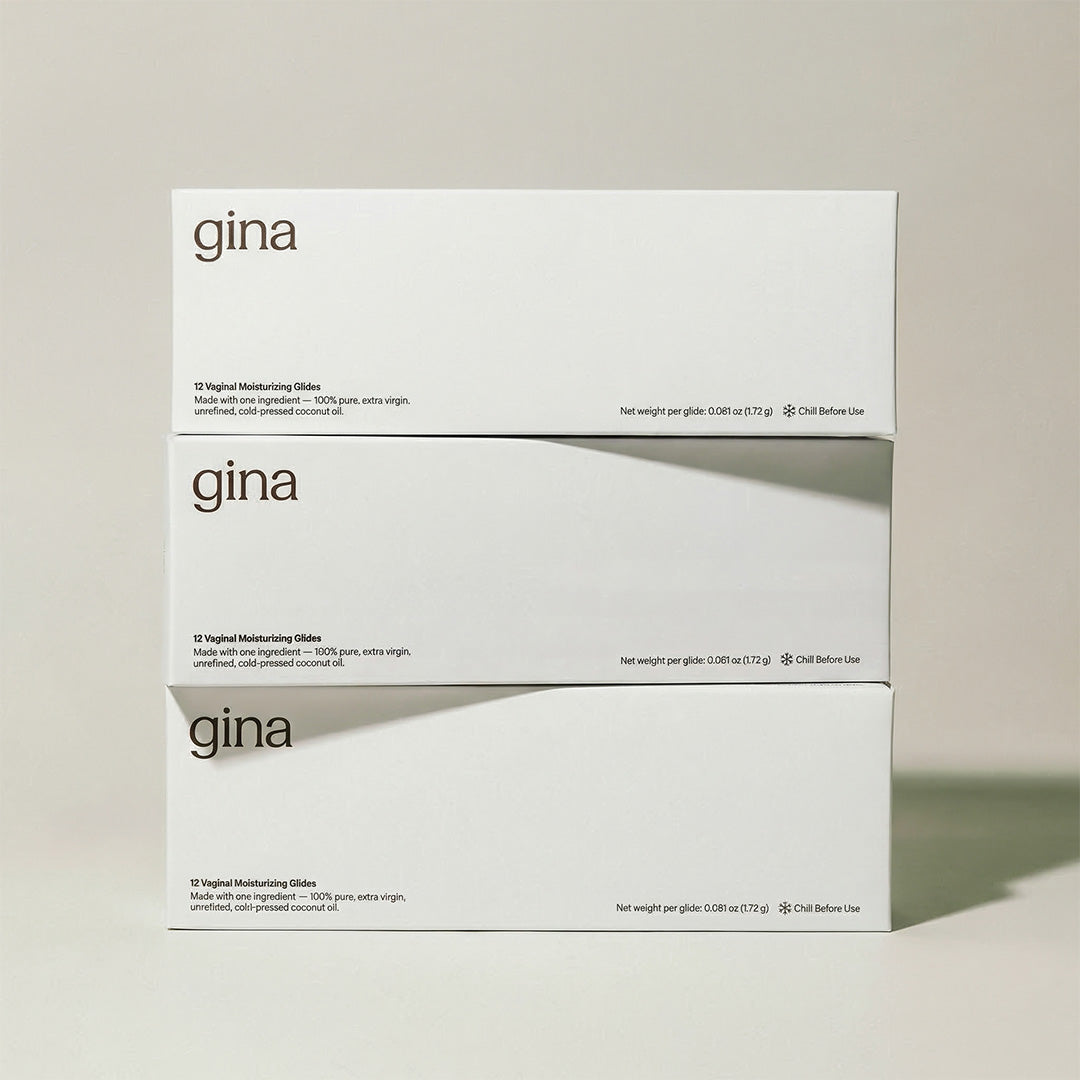
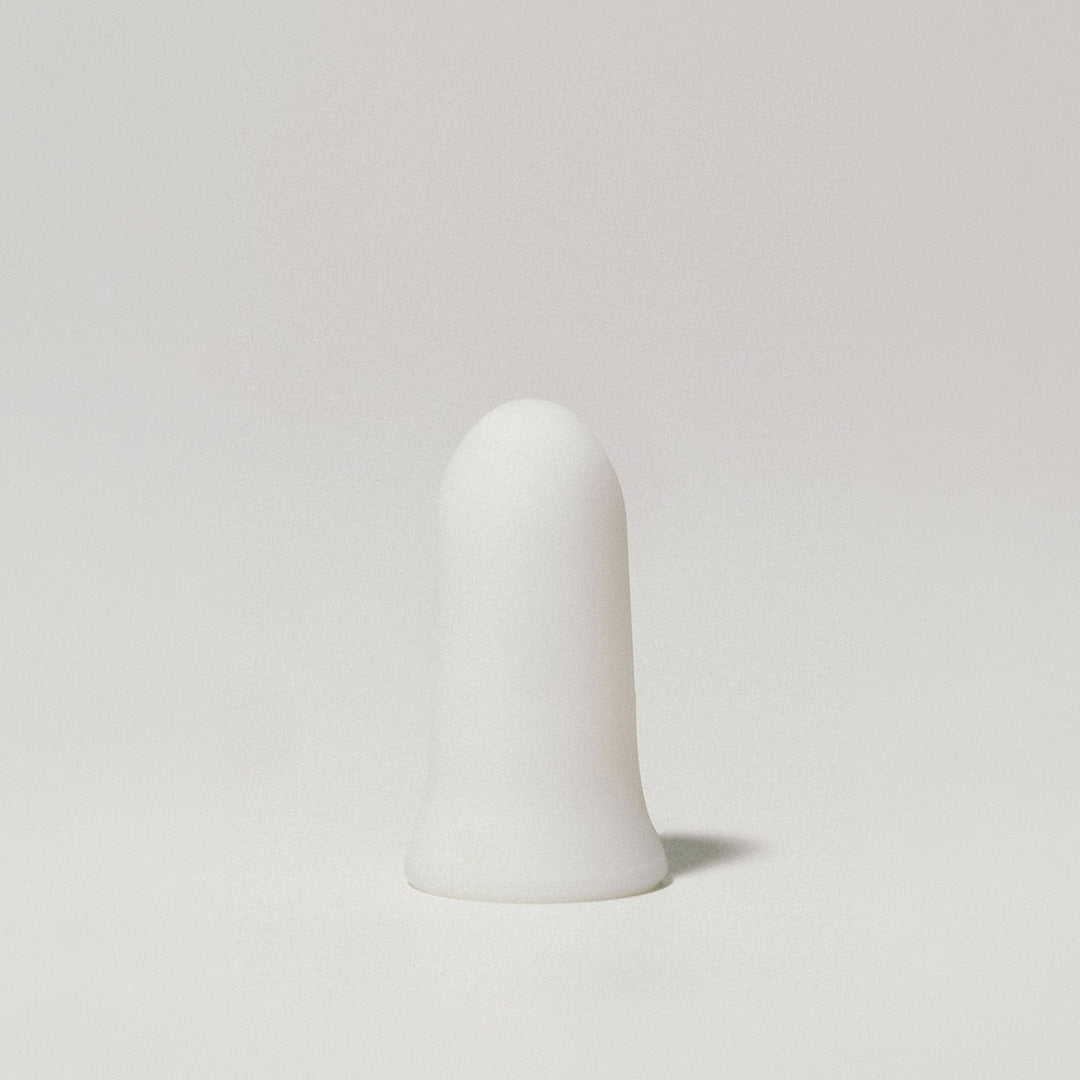
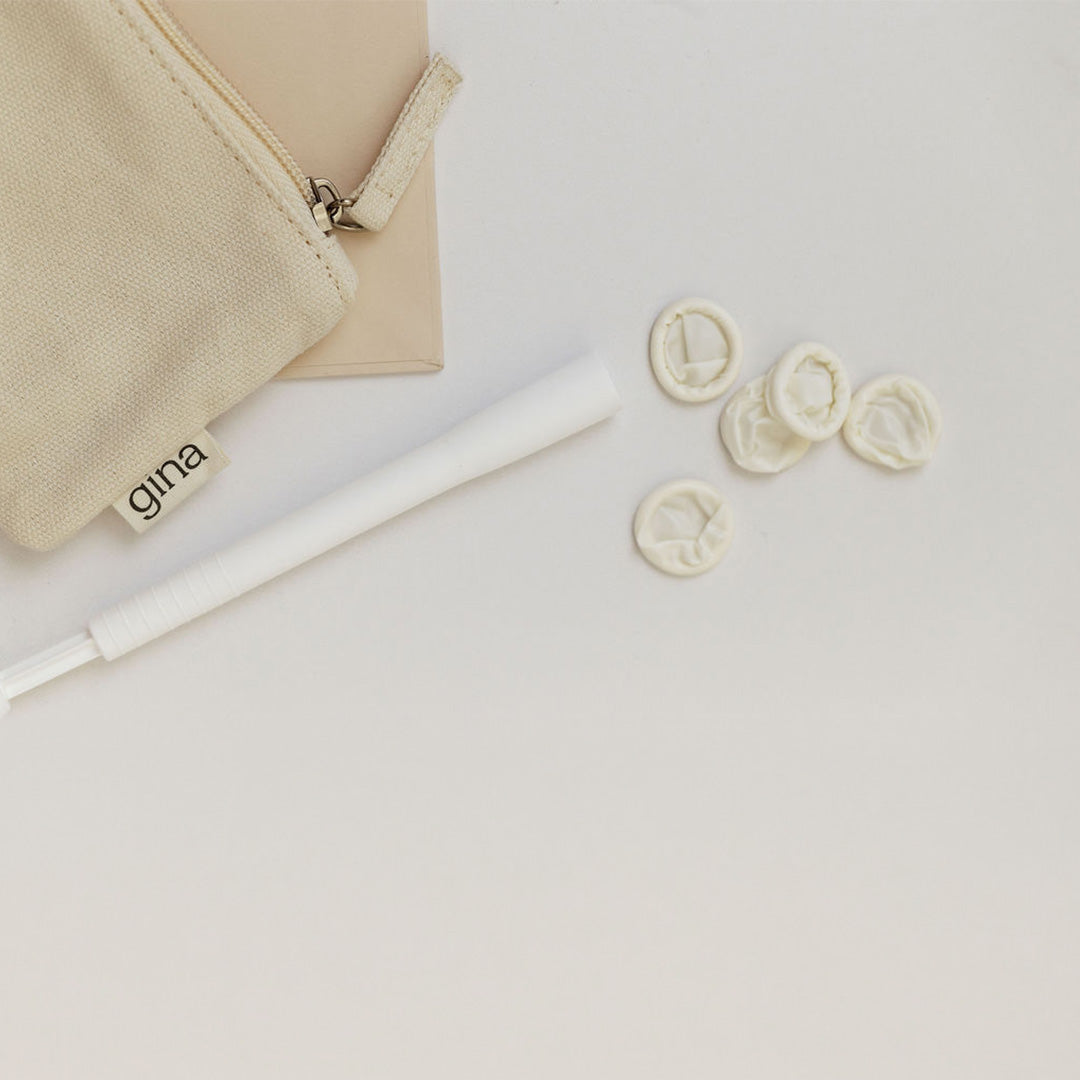
gina Vaginal Moisturizing Glides take a single-ingredient approach. Each glide contains 100% pure, extra virgin, unrefined, cold-pressed coconut oil in a pre-measured, single-use format. The product is designed to support topical moisture and comfort for dryness-related discomfort without added fragrances or fillers.
To explore the product and its instructions, see Vaginal Moisturizing Glides and How to Use Moisturizing Glides. Because gina is oil-based, do not use it with latex condoms.
Choosing between coconut oil and hyaluronic acid is a personal decision informed by the product’s formulation, the available evidence, and your needs. Neither is a universal solution.
Frequently asked questions
Are coconut oil and hyaluronic acid vaginal moisturizers both nonhormonal?
Coconut oil and hyaluronic acid are not hormones. Many products made with them are nonhormonal, but check the full label to confirm the ingredients in a particular formulation.
Is hyaluronic acid more effective than coconut oil for vaginal dryness?
There are more clinical studies of hyaluronic-acid vaginal formulations than of coconut oil specifically for vaginal dryness. That is not the same as proof of superiority in a direct comparison. Your choice should also consider safety, product formulation, and personal comfort.
Can I use a coconut-oil moisturizer with latex condoms?
No. Oil-based products can weaken latex condoms. Check barrier compatibility carefully, including for some non-latex materials.
Educational information only. Not medical advice.