

Plant Oils vs. Synthetic Lubricants

A Science-Informed Look at Texture, Absorption, and Feel
When it comes to comfort and intimacy, how something feels matters just as much as how it works. Texture, absorption, and the way a product interacts with the body all influence whether care feels supportive or distracting.
At gina, we often get asked about the difference between plant oils and synthetic lubricants. The answer isn’t about right or wrong - it’s about alignment with the body and personal preference.
Discover Your Routine





Texture: Natural vs. Engineered
Plant oils tend to have textures that feel familiar and adaptive. They warm with the skin, soften gradually, and move naturally with the body.
Synthetic lubricants are engineered for consistency. They often feel immediately slick and uniform - a texture designed to perform the same way every time.
Some people prefer that predictability. Others find plant oils feel more organic and less noticeable once applied.
Absorption: Working With the Skin
Plant oils interact with the skin’s natural barrier. They don’t absorb instantly, but they integrate - supporting softness while remaining present enough to reduce friction.
Synthetic lubricants are designed to sit on the surface. They typically don’t absorb or change much over time, which can be helpful for short-term slip but may feel less natural for extended comfort.
The difference often comes down to whether you want something that performs on top of the skin or something that works alongside it.
Feel: Presence vs. Background
One of the biggest distinctions is how noticeable a product feels during use.
Plant oils often fade into the background. As the body warms and relaxes, they tend to feel softer and more intuitive - less like a product, more like support.
Synthetic lubricants can feel more obvious. Their texture stays consistent, which some appreciate, while others find it distracting or less connected to the body’s natural rhythm.
Sensitivity & Simplicity
For sensitive skin, fewer ingredients often mean fewer variables. Plant oils with minimal formulations can feel gentler simply because there’s less for the body to interpret.
Synthetic lubricants vary widely - some are thoughtfully formulated; others include stabilizers or additives that may not suit everyone’s skin.
Listening to how your body responds is key.
How gina Fits In
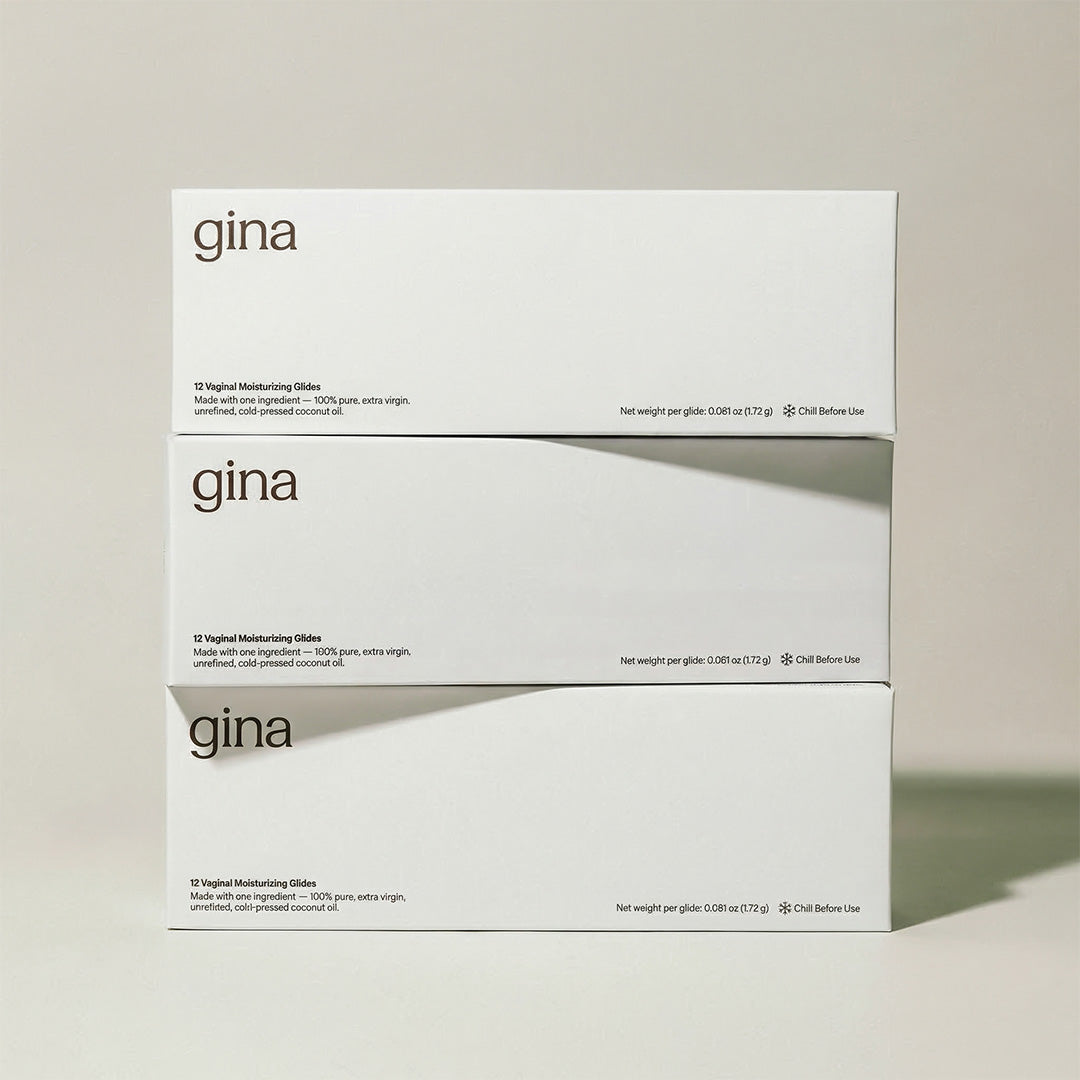
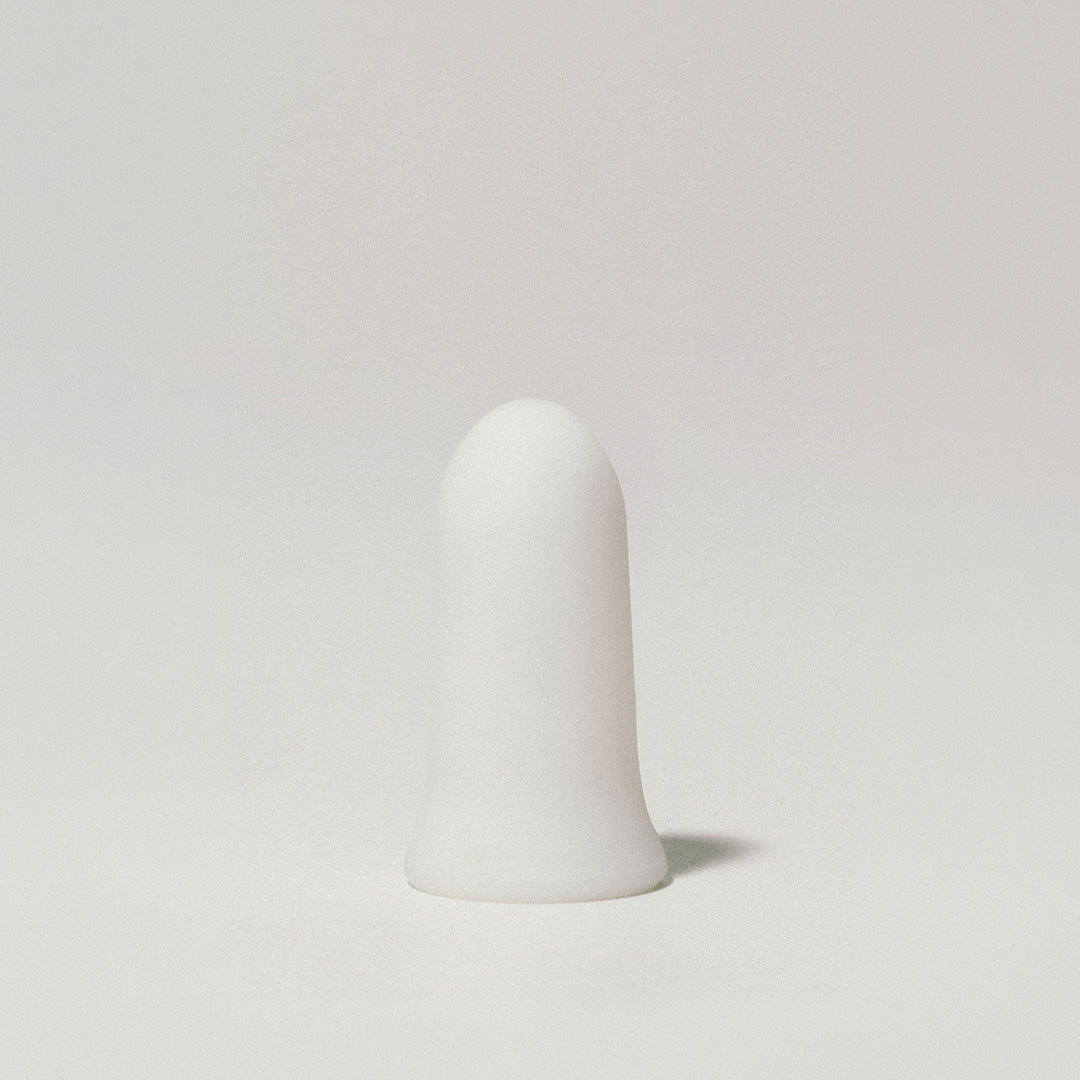
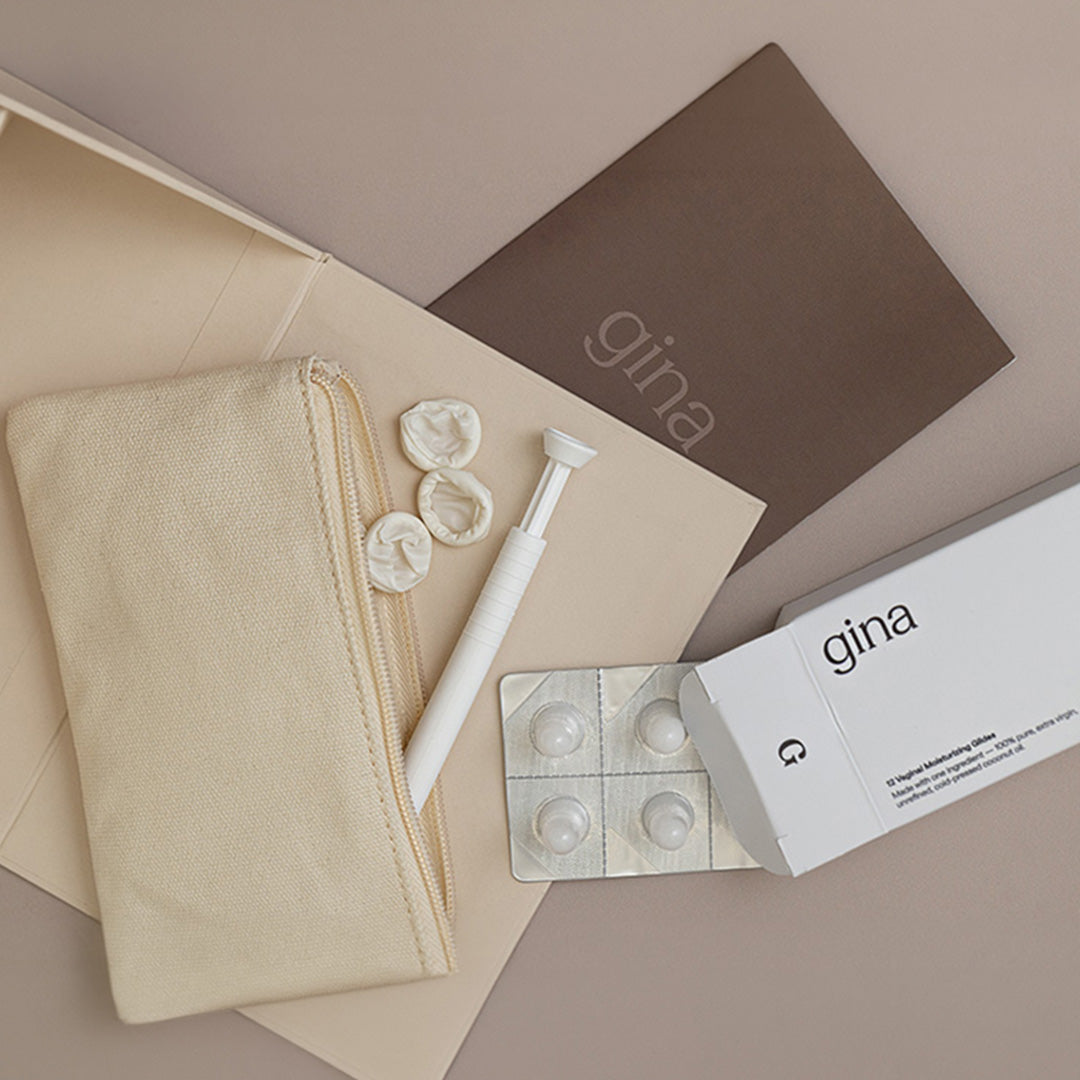
gina was created with a preference for simplicity and biocompatibility. By using pure coconut oil and keeping formulations intentionally minimal, gina supports comfort in a way that feels familiar, adaptable, and easy to trust.
gina doesn’t try to outperform the body. It works with it, offering softness and support without taking center stage.
A Softer Take on Science
The science here isn’t about proving one option superior. It’s about understanding how different materials interact with the body and choosing what feels right for you.
Some moments call for predictability. Others call for something that feels more natural.
Comfort is personal. Science helps explain why.
