

There is a special kind of confusion that comes with feeling dry down there in your 30s.
You are not necessarily thinking about menopause. You may not be expecting your body to suddenly feel different. Then one day your jeans feel less friendly, your workout leggings feel personally involved, or intimacy feels less comfortable than it used to.
If you have noticed vaginal dryness, friction, sensitivity, or dryness-related discomfort in your 30s, you are not alone. It can happen for many reasons, including hormonal shifts, postpartum changes, breastfeeding, stress, sleep changes, hydration, workouts, travel, medications, or products that simply do not agree with your body.
The goal is not to panic or diagnose yourself in a bathroom mirror at 11 p.m. The goal is to understand what may be contributing, notice what changed, and build a routine that supports everyday comfort.
Educational information only. Not medical advice.
First, You Are Not Too Young for This
Vaginal dryness is often talked about like it only belongs to menopause. That can make it feel extra confusing when it shows up in your 30s.
But dryness-related discomfort can happen before menopause too. Bodies are not static. Hormones shift, routines change, stress builds, sleep gets messy, products change, workouts get more intense, and life has a way of making itself known in very inconvenient places.
Feeling drier than usual does not mean something is wrong with you. It means your body may be responding to something internal, external, or both. Paying attention is useful. Panicking is optional, and frankly, not required.
What Vaginal Dryness in Your 30s Can Feel Like
Dryness-related discomfort does not feel exactly the same for everyone. For some people, it feels like friction. For others, it feels like sensitivity, tightness, irritation, or a general lack of moisture where things used to feel normal.
You may notice it during everyday moments, not only during intimacy. Sitting for long periods can feel more noticeable. Tight denim may feel rude. Synthetic workout gear may feel less forgiving. Long walks, cycling, running, or staying in sweaty clothes may make the area feel more sensitive than usual.
Intimacy can also feel different. Less moisture can make closeness feel less comfortable, even when desire or connection is still there. That can be frustrating, especially when you are not sure what changed.
This is where a more comfort-focused routine can help. Not because there is one magic answer, but because small changes often make it easier to understand what your body is asking for.
Why Vaginal Dryness Can Happen in Your 30s
There is usually no single universal reason for vaginal dryness in your 30s. It can be tied to life stage, routine, products, friction, hormones, stress, or a mix of several things at once.
Here are some common reasons your body may feel drier or less comfortable than usual.
Hormonal Shifts Are Not Only a Menopause Thing
Hormonal changes can affect how comfortable you feel day to day. Some people notice dryness-related discomfort around certain points in their cycle, after changing contraception, after stopping contraception, or during early perimenopause changes.
That does not mean hormones are always the reason. It also does not mean gina, or any topical moisture product, fixes hormones or the underlying cause of dryness. But if your body feels different around certain life stages or cycle changes, it is worth paying attention to the pattern.
If the change feels intense, painful, persistent, or unusual, a qualified clinician can help you understand what may be going on.
Postpartum, Breastfeeding, and Body Changes
Your 30s can come with major body transitions, including pregnancy, postpartum recovery, and breastfeeding. These seasons can affect comfort in ways that do not always get discussed clearly enough.
Some people notice dryness-related discomfort after giving birth or while breastfeeding. The body is doing a lot, and comfort needs can change during that time.
If you are postpartum, breastfeeding, or navigating new symptoms after pregnancy, keep the routine gentle and speak with a clinician if symptoms are painful, persistent, unusual, or concerning.
Stress, Sleep, and Busy-Life Mode
Stress does not only live in your calendar. It can show up in your body too.
When sleep is inconsistent, work is heavy, relationships are demanding, or your nervous system feels permanently on-call, you may feel more sensitive overall. That can make existing dryness, friction, or discomfort feel more noticeable.
Stress may not be the only reason dryness is happening, but it can be part of the picture. If everything in your routine has changed except your body is expected to act exactly the same, your body may have notes.
Hydration and Everyday Comfort
Hydration matters for overall body comfort, but drinking more water is not a guaranteed fix for vaginal dryness.
Still, if you are running on coffee, stress, and one heroic water bottle you forgot to refill, dehydration may contribute to feeling less comfortable overall. Travel, workouts, heat, alcohol, and busy schedules can all make hydration easier to overlook.
Think of hydration as one supportive habit, not the whole solution. Helpful, yes. Magical, no.
Workouts, Leggings, Sweat, and Friction
Exercise is good. Sitting in sweaty leggings for three hours after exercise is less charming.
Running, cycling, lifting, long walks, tight activewear, synthetic fabrics, and damp clothing can all contribute to friction or sensitivity for some people. If you already feel a little dry, that friction can feel louder.
Simple changes may help: change out of sweaty clothing when you can, choose breathable fabrics when possible, and pay attention to whether certain leggings, underwear, or workouts seem to trigger discomfort.
Products That May Not Agree With You
Sometimes the issue is not your body being dramatic. Sometimes the culprit is sitting on your shower shelf, quietly minding everyone else's business.
Fragranced washes, scented wipes, harsh soaps, certain detergents, liners, and heavily formulated products can feel irritating for some people. Not every product causes a problem, but if you recently switched something and then started feeling different, that timing is worth noticing.
A simpler routine is often a good place to start. Gentle products, fewer unnecessary extras, and paying attention to your body's response can make it easier to spot what does or does not work for you.
Travel and Routine Changes
Travel can be a perfect storm for dryness-related discomfort. Different climate, less water, long flights, tight clothes, hotel soaps, schedule changes, less sleep, and more sitting than usual. A glamorous list, clearly.
If dryness seems to show up around travel, it may help to keep your routine as consistent as possible. Pack the products you already know agree with your body, stay hydrated where you can, and consider moisture support if friction or discomfort tends to show up when you are away from home.
What Can Help Support Comfort Day to Day
Supporting comfort does not have to mean rebuilding your entire life. Start with the small, boring things that often matter more than they get credit for.
- Notice when dryness-related discomfort shows up and what changed before it started
- Avoid unnecessary fragrance around intimate areas
- Choose gentle products when possible
- Change out of sweaty clothing after workouts
- Wear breathable underwear and clothing when it makes sense
- Stay consistent with hydration, especially during travel or heat
- Pay attention to product sensitivity after switching soaps, wipes, detergents, or liners
- Consider topical moisture support when friction or dryness-related discomfort keeps showing up
The goal is not perfection. It is pattern recognition. If your body feels better with a simpler routine, that is useful information.
Vaginal Moisturizer vs. Lubricant: Which One Makes Sense?
Lubricants and moisturizers are often grouped together, but they are not the same thing.
A lubricant is usually used to reduce friction during intimacy. It is more immediate and situational.
A vaginal moisturizer is used to support ongoing comfort and moisture. It can be part of a regular comfort-focused routine, especially if dryness-related discomfort shows up outside of intimacy too.
Some people use one. Some people use both. The right choice depends on when the discomfort shows up, what you are trying to support, and what your body tolerates well.
Where gina Fits Into a Comfort-Focused Routine
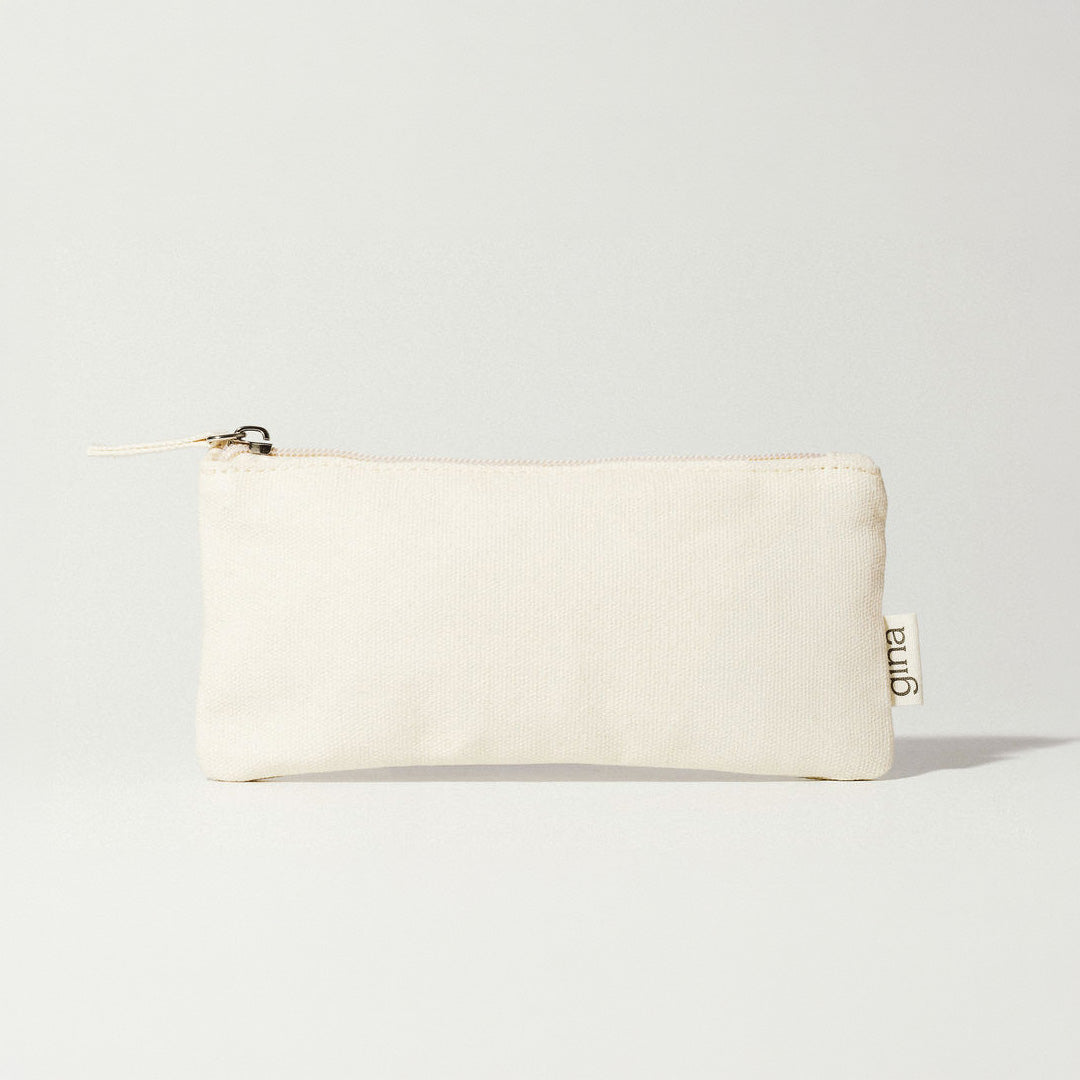
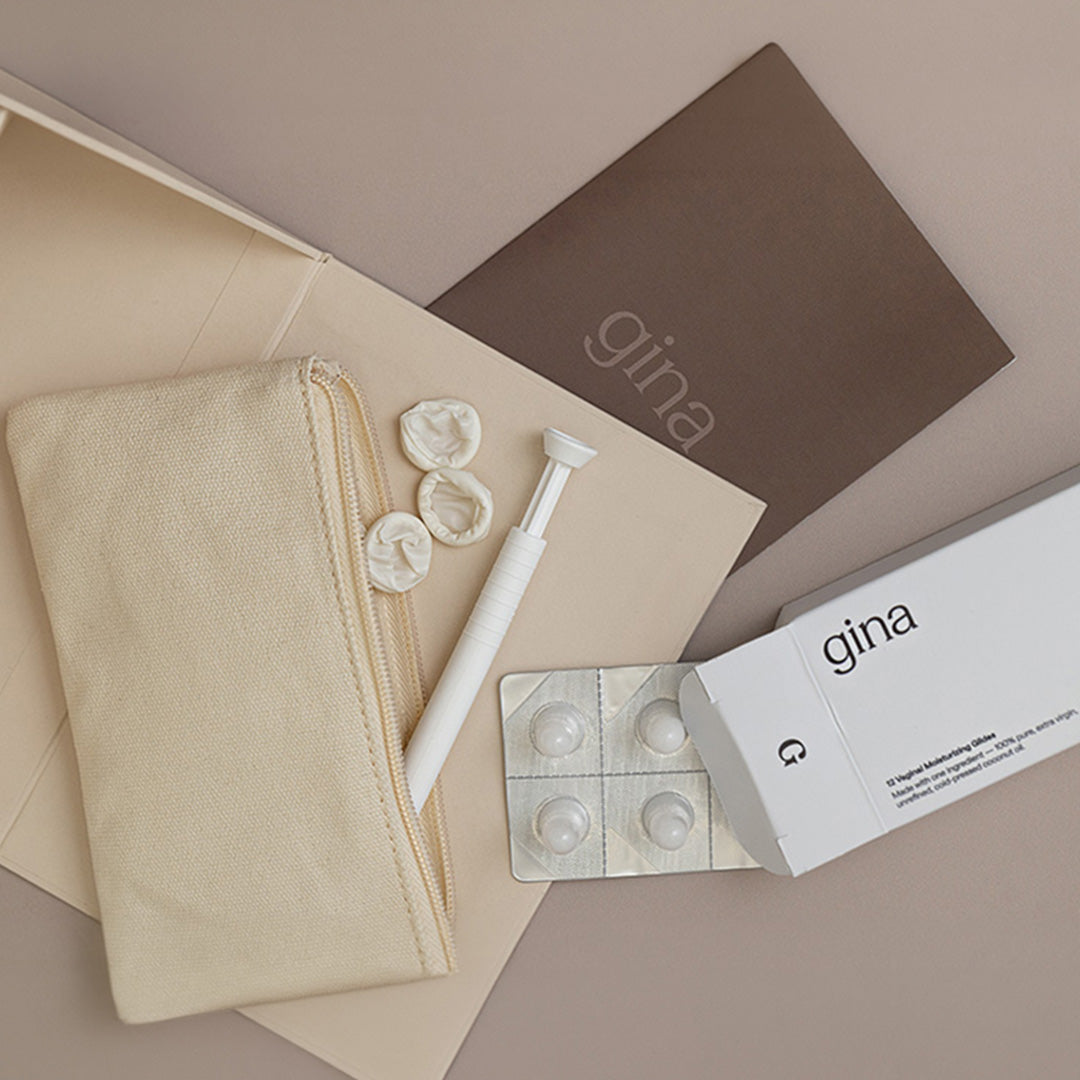
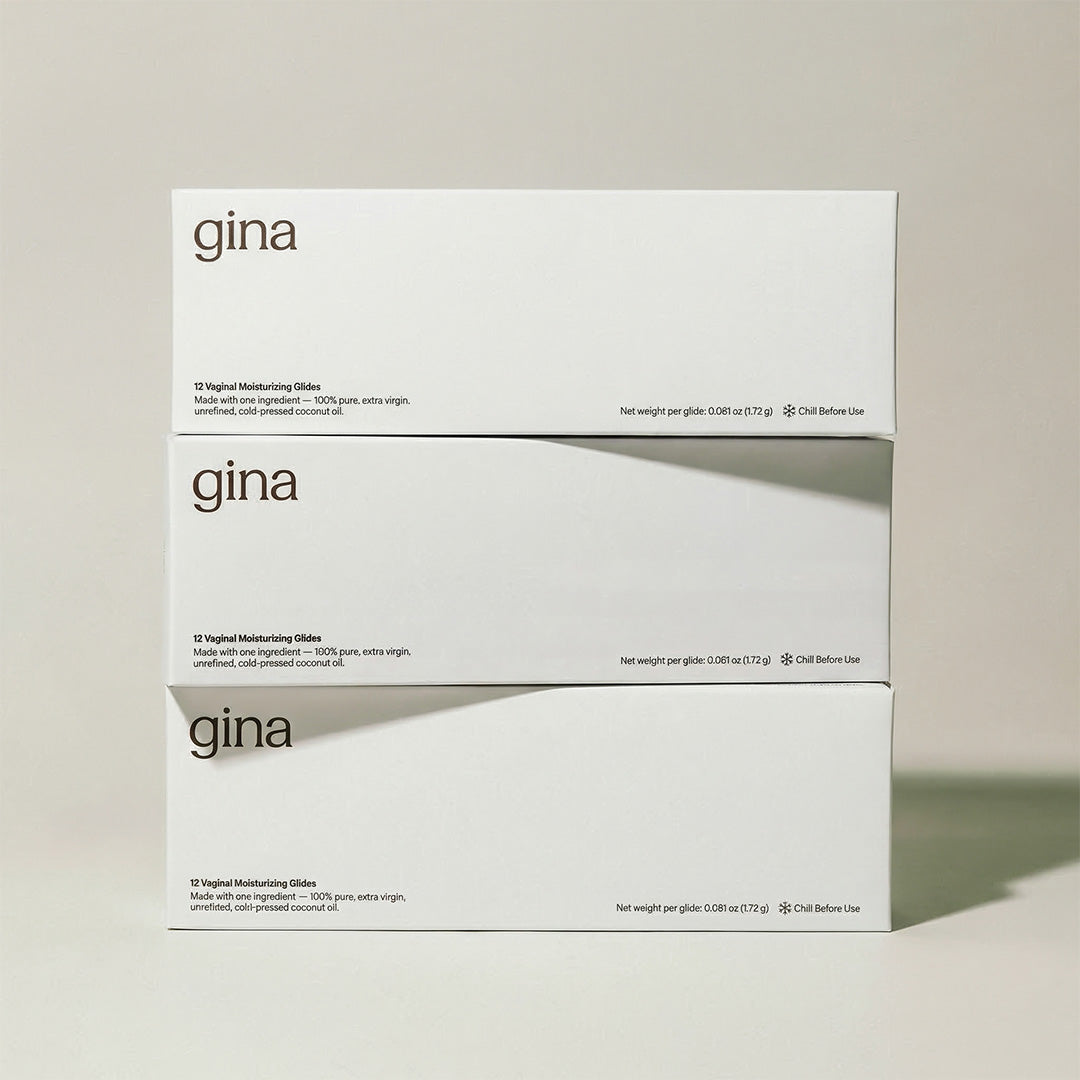
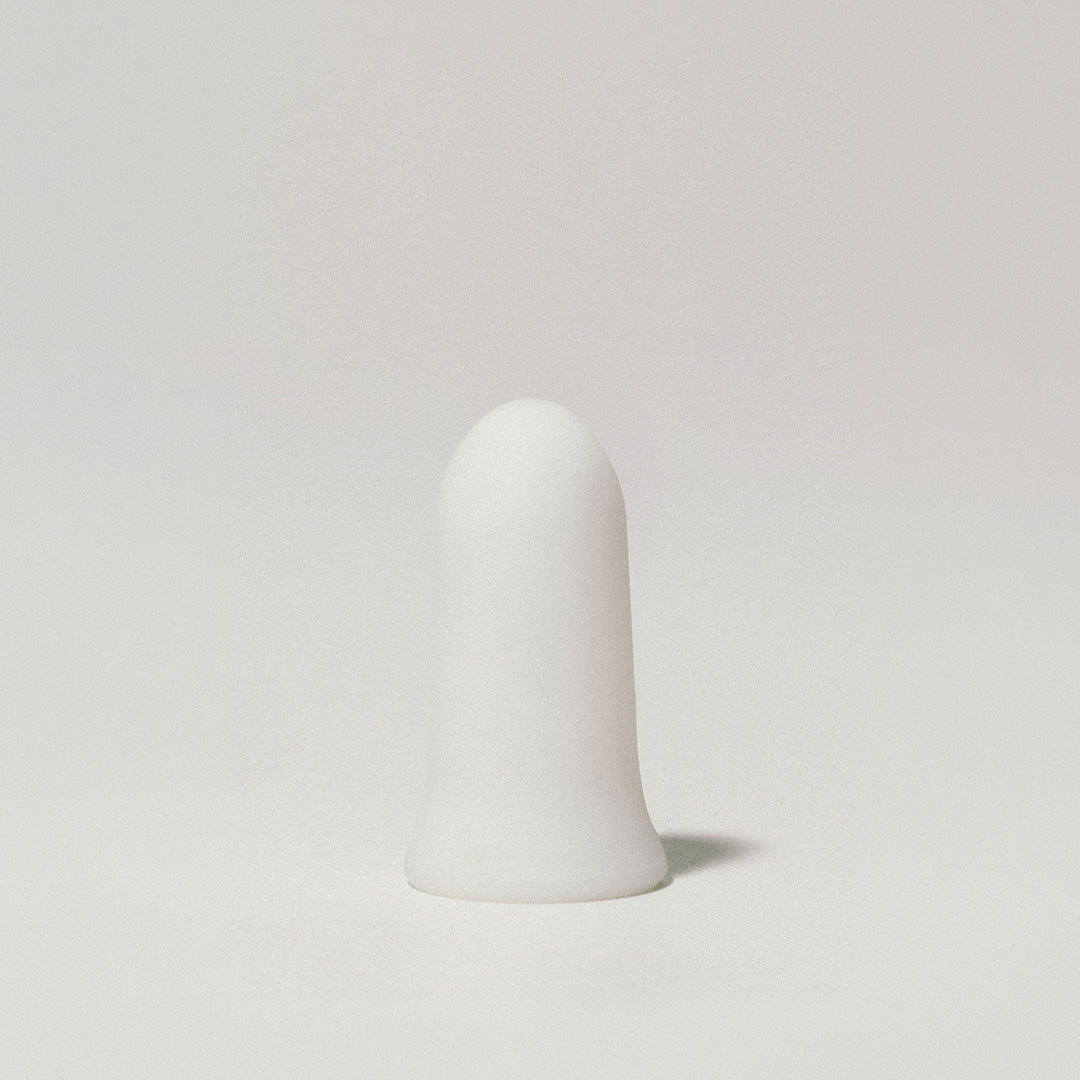
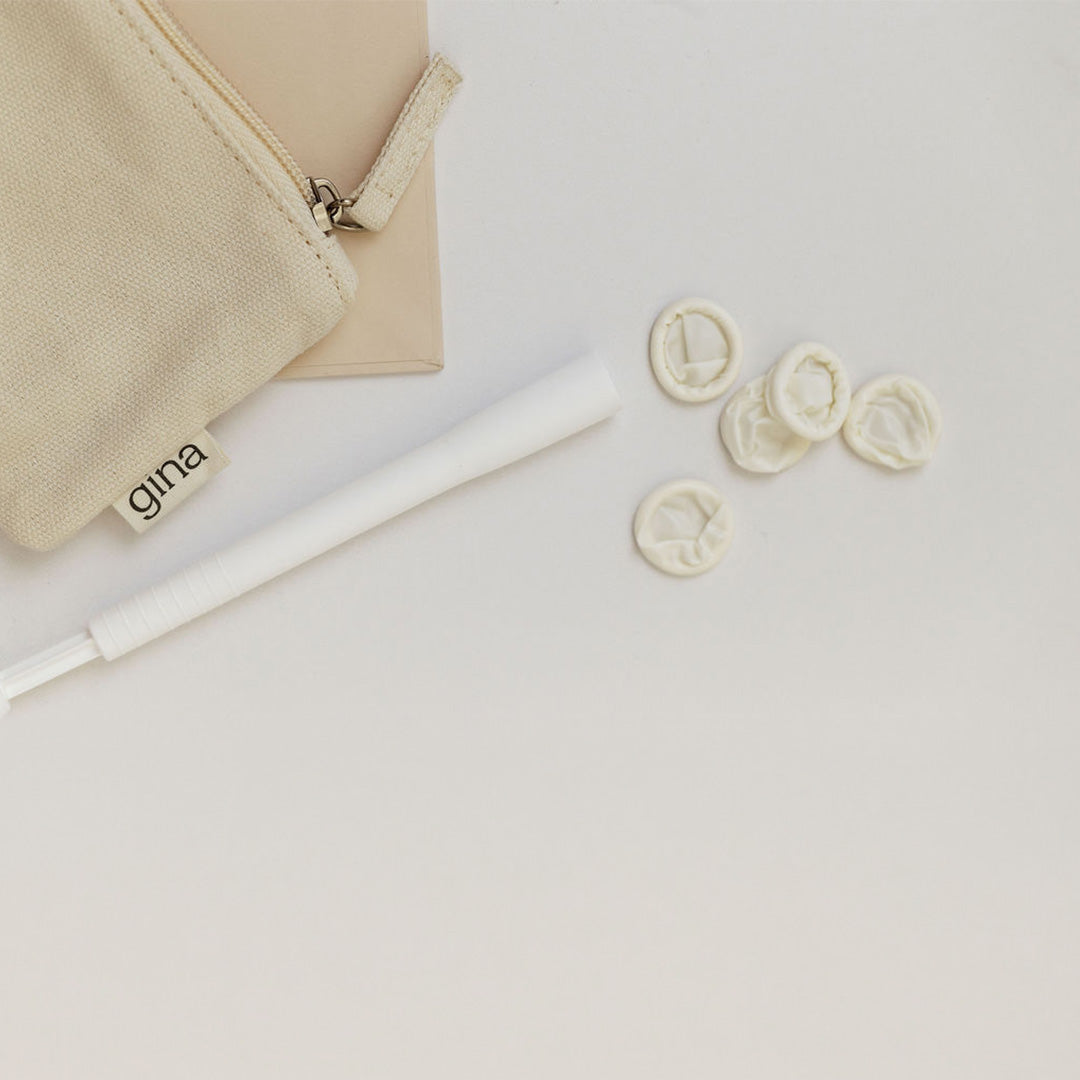
If dryness-related discomfort keeps showing up in everyday moments, topical moisture support can be a simple part of your routine. gina moisturizing glides are designed to support moisture and comfort for dryness-related discomfort in a clean, pre-measured format.
They are less messy than scooping from a jar, simple to use at home or while traveling, and made to fit into a comfort-focused routine without overcomplicating things.
gina does not treat or fix the underlying cause of dryness. It provides topical moisture support where you need it and can help reduce friction.
For a simple walkthrough, see how to use moisturizing glides. If you have questions, you can also ask our nurse practitioner for educational guidance. For more context on ingredients and formulation, visit the science.
When to Speak With a Clinician
Dryness-related discomfort can be common, but you do not have to guess your way through symptoms that feel persistent or concerning.
If symptoms are persistent, severe, painful, unusual, recurring, or concerning, consider speaking with a qualified clinician. It is also worth getting support if you notice unusual discharge, bleeding, intense itching, burning, new pain, or discomfort that does not improve.
Getting guidance does not mean something is wrong. It means you are taking your body seriously, which is a reasonable thing to do when your body starts sending strongly worded emails.
FAQs
Is vaginal dryness normal in your 30s?
Vaginal dryness can happen in your 30s. It is often discussed in the context of menopause, but dryness-related discomfort can also be connected to cycle changes, postpartum shifts, breastfeeding, stress, medications, workouts, products, or routine changes.
If the change is persistent, painful, unusual, or concerning, a qualified clinician can help you understand what may be contributing.
Why am I dry down there in my 30s?
There are many possible reasons. Hormonal shifts, stress, sleep changes, dehydration, travel, friction, product sensitivity, postpartum changes, breastfeeding, or certain medications may all play a role.
The best starting point is to notice what changed recently and whether the discomfort keeps showing up in the same situations.
Can stress contribute to dryness-related discomfort?
Stress may make your body feel more sensitive or less comfortable overall. It can also disrupt sleep, routines, hydration, and daily habits, which may make dryness-related discomfort more noticeable.
Stress is not always the cause, but it can be part of the picture.
Can dehydration cause vaginal dryness?
Hydration supports overall body comfort, but drinking water does not automatically fix vaginal dryness. Still, dehydration may contribute to feeling less comfortable overall, especially during travel, workouts, heat, or busy weeks.
Think of hydration as one supportive habit, not a complete answer.
Can postpartum or breastfeeding affect moisture and comfort?
Some people notice dryness-related discomfort after giving birth or while breastfeeding. The body is moving through a lot during that time, and comfort needs can change.
If symptoms are painful, persistent, unusual, or concerning, it is a good idea to speak with a qualified clinician.
Should I use a vaginal moisturizer or lubricant?
It depends on when the discomfort shows up. Lubricants are usually used to reduce friction during intimacy. Moisturizers are designed to support ongoing comfort and moisture as part of a routine.
If dryness-related discomfort shows up during everyday activities, not just intimacy, topical moisture support may be worth considering.
When should I ask a clinician?
Consider speaking with a qualified clinician if dryness-related discomfort is persistent, severe, painful, unusual, recurring, or concerning. You should also seek guidance if you notice unusual discharge, bleeding, intense itching, burning, or new pain.
You do not need to wait until symptoms feel extreme to ask for help.
Complete Your Routine
gina moisturizing glides are designed to support moisture and comfort for dryness-related discomfort in a clean, pre-measured format that fits seamlessly into a comfort-focused routine.
The Bottom Line
Vaginal dryness in your 30s can feel confusing, especially when you were not expecting your body to change in that way. But it is also common, and there are many everyday factors that may play a role.
Start with the simple things: notice what changed, keep products gentle, change out of sweaty clothing, stay hydrated, and consider topical moisture support if friction or discomfort keeps showing up.
Your body is allowed to change. Your routine is allowed to change with it.
Educational information only. Not medical advice. If symptoms are persistent, severe, painful, unusual, recurring, or concerning, consider speaking with a qualified clinician.