

Why Am I Suddenly Dry Down There?

One day everything feels normal. The next, your leggings feel rude, your workout feels more irritating than usual, and sitting at your desk somehow has a plot twist.
If you have recently noticed dryness related discomfort, friction, sensitivity, or a general lack of moisture down there, you are not alone. Bodies change. Routines change. Stress, sleep, hydration, products, movement, travel, and life stages can all affect how comfortable you feel day to day.
The goal is not to panic or self-diagnose. It is to notice what changed, understand what may be contributing, and build a routine that supports comfort.
Educational information only. Not medical advice.
First, You Are Not Weird
Dryness related discomfort can feel awkward to talk about, but it is common. Many people notice it at some point, whether it shows up suddenly, comes and goes, or becomes more noticeable during certain seasons of life.
It does not mean you did something wrong. It does not mean your body is broken. It usually means your body is responding to something, whether that is a shift in routine, a change in products, a stressful week, a long flight, a workout habit, or a life stage change.
Think of it less like an emergency alarm and more like a small signal worth paying attention to.
What Dryness Related Discomfort Can Feel Like
Dryness related discomfort does not feel the same for everyone. For some people, it feels like friction. For others, it feels like sensitivity, tightness, irritation, or a general lack of ease in everyday moments.
You might notice it when wearing tighter clothing, sitting for long periods, walking more than usual, working out, cycling, running, traveling, or being intimate. Sometimes it is not dramatic. It is just enough to make you think, “Wait, why does everything feel slightly more annoying today?”
That is still worth noticing. Comfort matters in the ordinary parts of your day, not only during intimacy.
Why You Might Feel Drier Than Usual
There are many reasons your body may feel drier than usual. Some are related to life stages. Some are tied to routine, movement, hydration, stress, or product sensitivity. Often, it is not one single thing. It is the combination.
Hormonal Shifts
Hormonal changes can affect how comfortable you feel day to day. Some people notice dryness related discomfort around certain points in their cycle, after giving birth, while breastfeeding, during perimenopause, or around menopause.
That does not mean hormones are always the reason, and it does not mean you need to figure it out alone. If the change feels intense, painful, persistent, or unusual, a qualified clinician can help you understand what may be going on.
Stress and Sleep Changes
Stress has a way of making the whole body feel less settled. When you are sleeping poorly, rushing through your day, or living in a constant state of “I will deal with that later,” your body may feel more sensitive than usual.
Stress and sleep changes do not explain every case of dryness related discomfort, but they can make discomfort feel louder. A routine that supports rest, hydration, and gentler daily care may help you understand whether lifestyle changes are part of the picture.
Dehydration
Hydration supports overall body comfort, but water is not a magic wand. Drinking more water does not automatically fix vaginal dryness, and it should not be treated like a cure.
Still, if you have been traveling, sweating more, drinking less water, or running on coffee and vibes, your body may feel less comfortable overall. Consistent hydration is one simple baseline habit that can support a more comfortable routine.
Workouts, Sweat, and Friction
Movement is good. Damp leggings that overstay their welcome are less good.
Workouts, sweat, cycling, running, tight clothing, synthetic fabrics, and repetitive movement can all contribute to friction for some people. If dryness related discomfort feels more noticeable after exercise, pay attention to what you are wearing, how long you stay in sweaty clothes, and whether certain activities make friction worse.
Changing out of damp clothing, choosing breathable fabrics when possible, and using gentle products around intimate areas can make a practical difference in daily comfort.
Travel and Routine Changes
Travel is basically a group project between dehydration, schedule disruption, climate changes, hotel soap, long sitting, and not enough sleep.
Even a short trip can change how your body feels. Long flights, dry air, new products, different laundry detergent, unfamiliar routines, and less consistent hydration can all contribute to feeling off. If dryness related discomfort shows up during or after travel, look at what changed before assuming something is seriously wrong.
Products That May Not Agree With You
Sometimes the issue is less mysterious than it feels. A new body wash, scented wipe, fragrance, liner, detergent, or heavily formulated product may not agree with you.
That does not mean every product is a problem. It means your body may have preferences, and it is allowed to be dramatic about them. If you recently switched something and discomfort followed, consider simplifying your routine and watching how your body responds.
What Can Help Support Everyday Comfort
A comfort focused routine does not need to be complicated. In many cases, the simplest adjustments are the best place to start.
You may want to pay attention to recent triggers, avoid unnecessary fragrance around intimate areas, choose gentle cleansers, change out of sweaty clothing quickly, wear breathable underwear when possible, hydrate consistently, and avoid adding too many new products at once.
If friction or dryness related discomfort keeps showing up, topical moisture support may also be useful. The key is to choose products that fit your body, your routine, and your comfort level without overcomplicating the process.
Lubricant vs. Moisturizer: What Is the Difference?
Lubricants and moisturizers are often talked about together, but they are not exactly the same thing.
A lubricant is usually used to reduce friction during intimacy. It is more immediate and moment-specific. A moisturizer is used to support ongoing comfort and moisture as part of a routine.
Some people use one. Some people use both. What matters is understanding the difference so you can choose what fits the moment instead of guessing in the bathroom aisle like it is a final exam.
Where gina Fits Into a Comfort Focused Routine
If dryness related discomfort keeps showing up in everyday moments, topical moisture support can be a simple part of your routine.
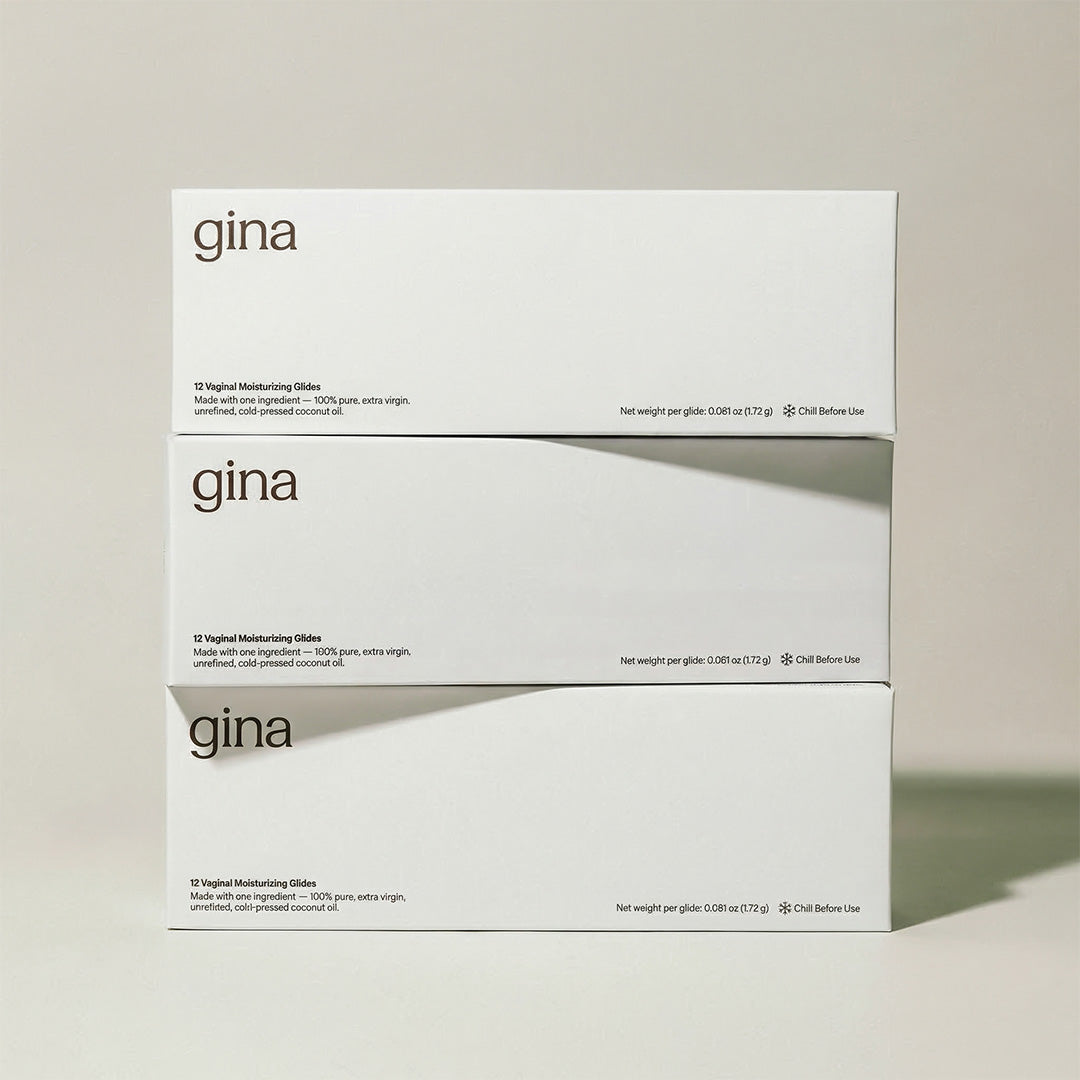
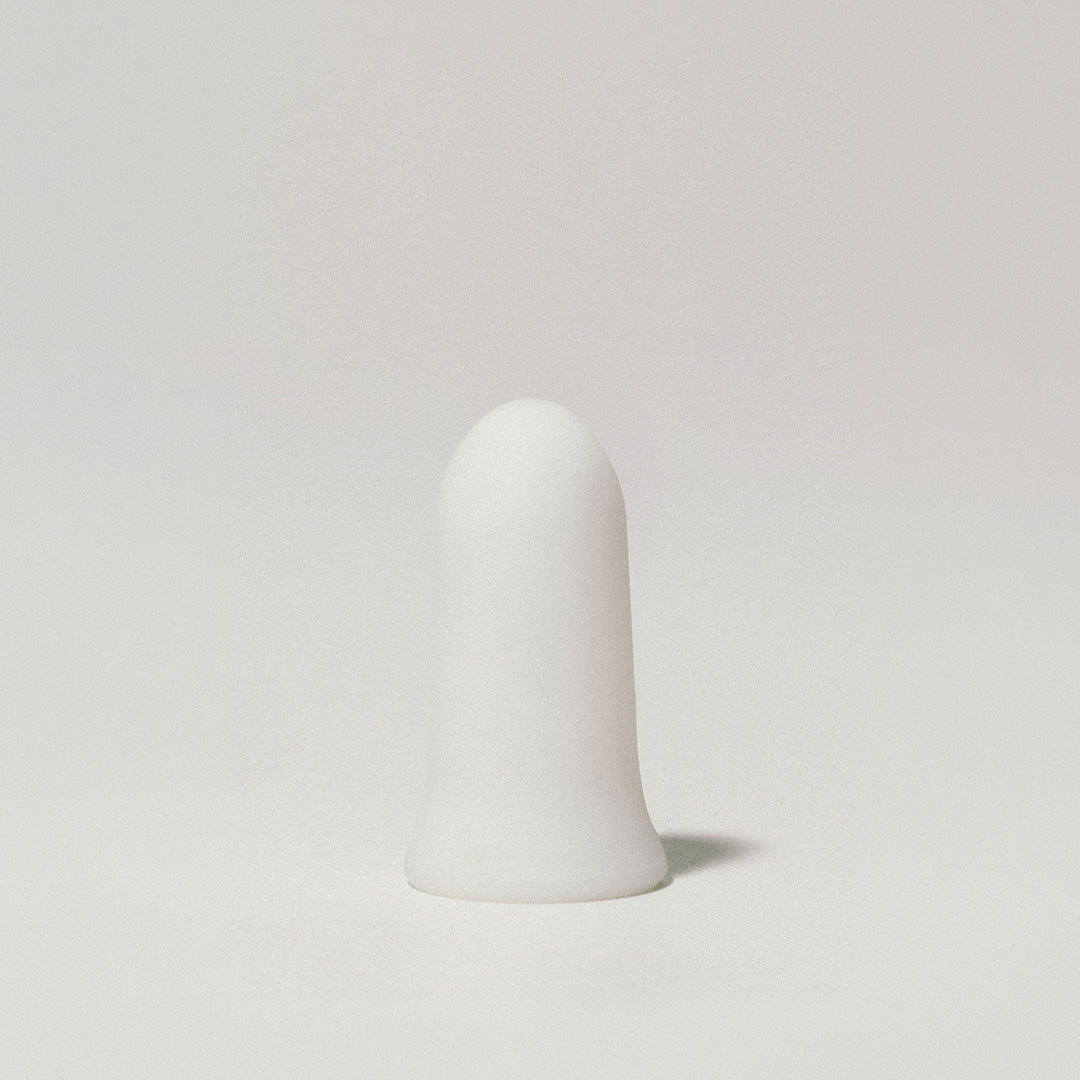
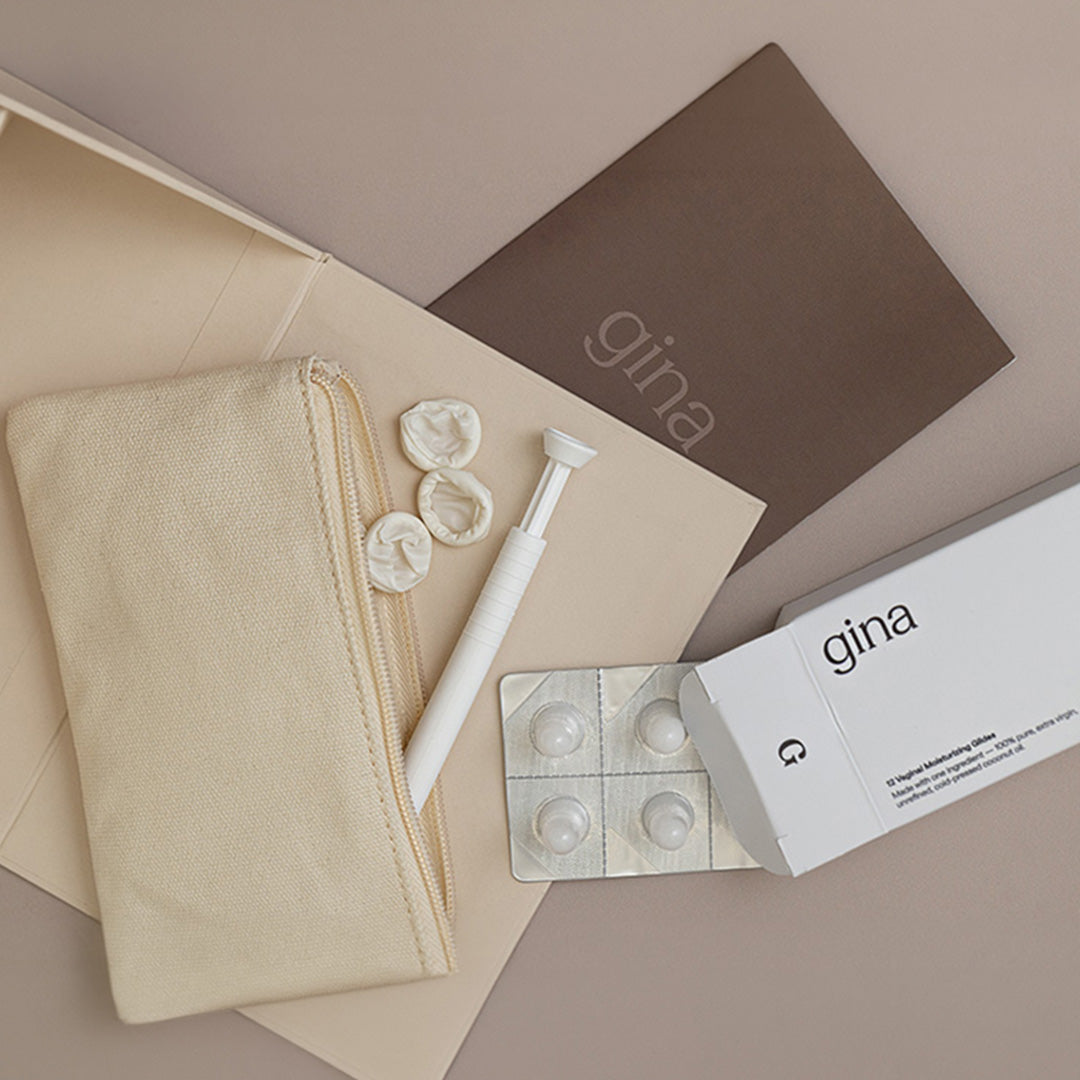
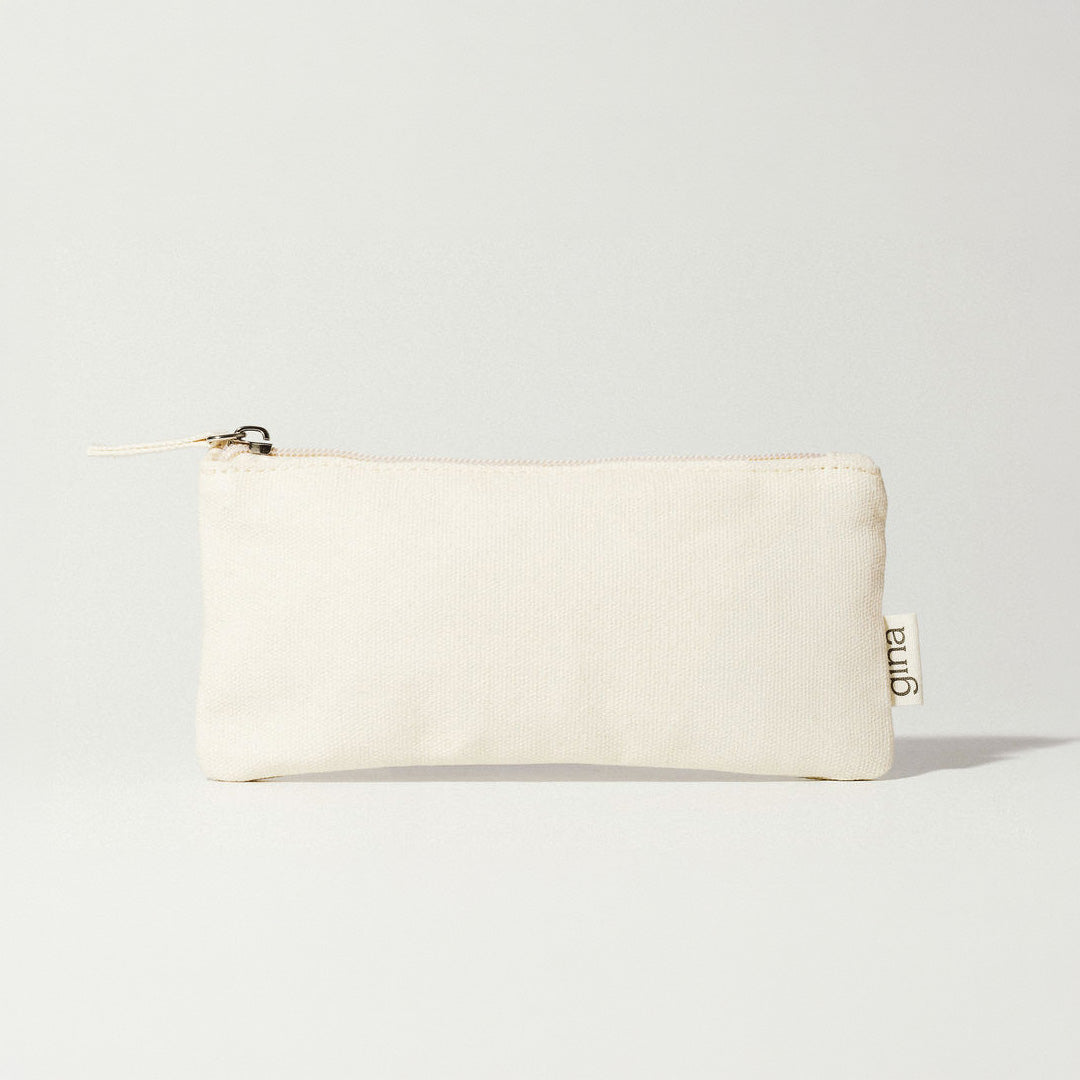
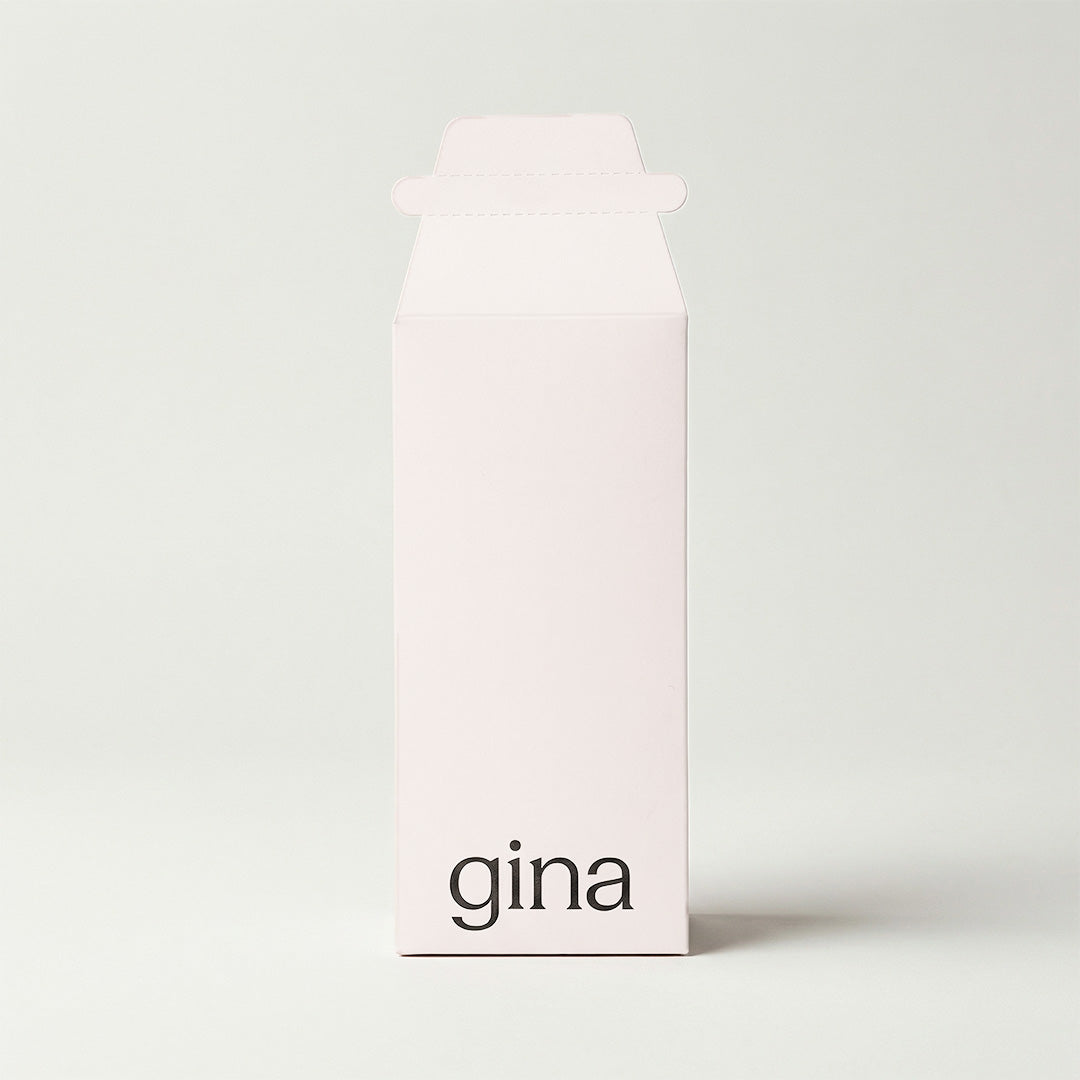
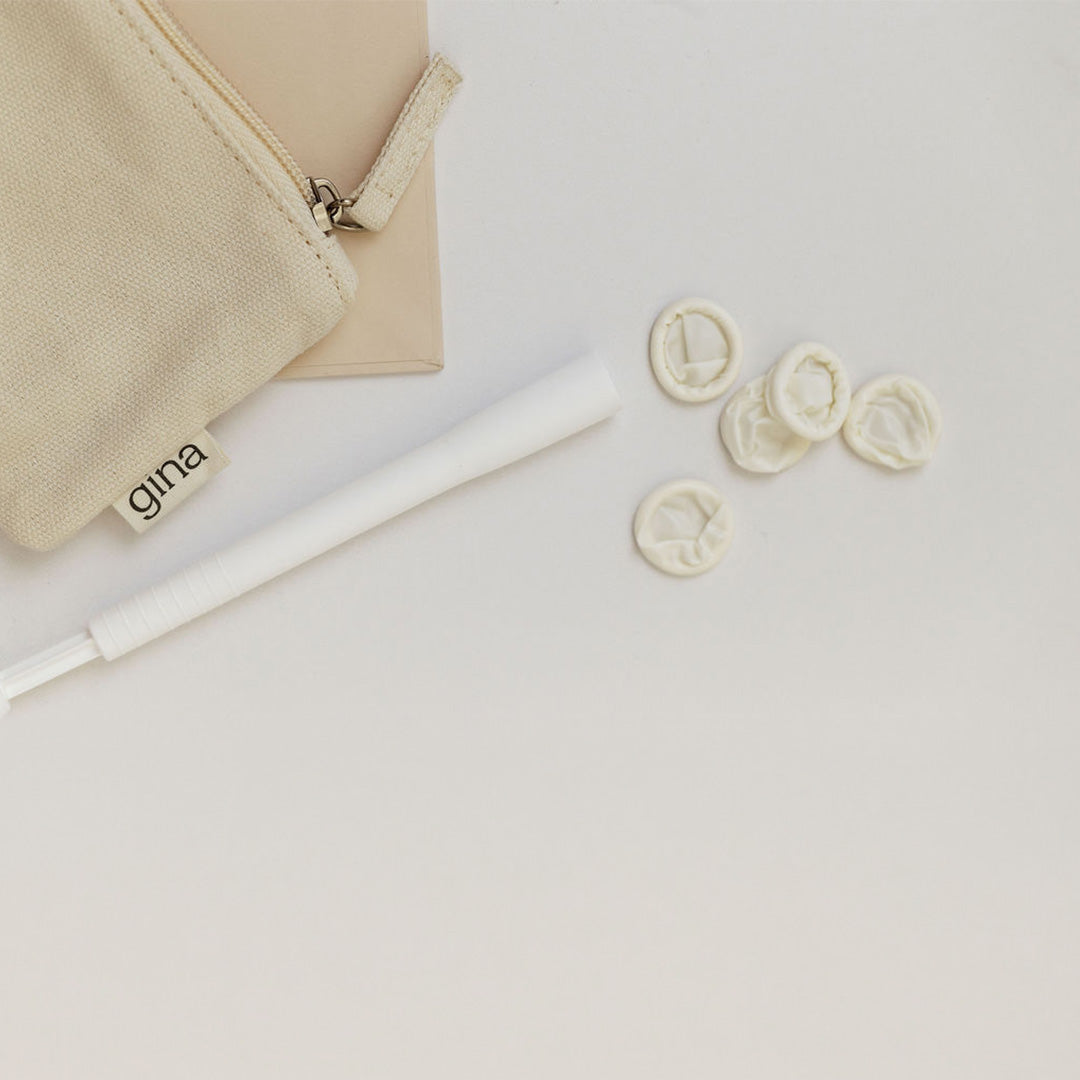
gina moisturizing glides are designed to support moisture and comfort for dryness related discomfort in a clean, pre measured format. They are less messy than scooping from a jar, easy to use at home or while traveling, and made to fit into a comfort focused routine without overcomplicating things.
gina does not treat or fix the underlying cause of dryness. It provides topical moisture support where you need it and can help reduce friction.
For a simple walkthrough, see how to use moisturizing glides. If you have questions, you can also ask our nurse practitioner for educational guidance. For more context on ingredients and formulation, visit the science. If you are thinking about ordering and want practical details, see shipping.
Complete Your Routine
gina moisturizing glides are designed to support moisture and comfort for dryness related discomfort in a clean, pre measured format that fits seamlessly into a comfort focused routine.



When to Speak With a Clinician
Everyday dryness related discomfort can have simple triggers, but some symptoms deserve extra support. Speak with a qualified clinician if symptoms are persistent, severe, painful, unusual, recurring, or concerning.
It is also worth getting guidance if you notice unusual discharge, bleeding, strong odor, burning, intense itching, pain, or discomfort that keeps coming back. You do not need to guess your way through something that feels off.
FAQs
Why am I suddenly dry down there?
Sudden dryness related discomfort can happen for many reasons. Common factors include hormonal shifts, stress, sleep changes, dehydration, workouts, friction, travel, routine changes, or product sensitivity.
The best first step is to notice what changed recently. If symptoms feel intense, painful, persistent, unusual, or concerning, speak with a qualified clinician.
Can dehydration contribute to dryness related discomfort?
Hydration can support overall body comfort, but drinking water does not automatically fix vaginal dryness. It is one part of a broader comfort routine, not a cure.
If you have been traveling, sweating more, or drinking less water than usual, consistent hydration may help your body feel more supported overall.
Can stress make dryness feel worse?
Stress and poor sleep can make the body feel more sensitive. For some people, discomfort feels more noticeable during busy or exhausting seasons.
That does not mean stress is always the cause. It simply means stress, sleep, and routine changes are worth considering when something suddenly feels different.
Can workouts or tight clothes cause friction?
Yes, workouts, sweat, tight leggings, cycling, running, and staying in damp clothing may contribute to friction or discomfort for some people.
Changing out of sweaty clothes, choosing breathable fabrics when possible, and paying attention to repeated friction points can help support everyday comfort.
Is dryness only a menopause thing?
No. Dryness related discomfort can happen before menopause too. Some people notice it around cycle changes, postpartum, breastfeeding, stress, travel, product changes, or everyday friction.
Menopause and perimenopause can be part of the conversation, but they are not the only possible reasons someone may feel drier than usual.
What can I use for dryness related discomfort?
A simple comfort routine can help. Many people start by avoiding unnecessary fragrance around intimate areas, choosing breathable clothing, changing out of sweaty clothes, and paying attention to products that may trigger sensitivity.
For topical moisture support, gina moisturizing glides are designed to support moisture and comfort for dryness related discomfort in a clean, pre measured format.
They do not treat or fix the underlying cause of dryness, but they can fit into a comfort focused routine and help reduce friction where needed.
When should I speak with a clinician?
Speak with a qualified clinician if symptoms are persistent, severe, painful, unusual, recurring, or concerning.
You should also seek guidance if you notice unusual discharge, bleeding, strong odor, burning, intense itching, or pain. Getting support does not mean something is wrong. It means you are paying attention.
The Bottom Line
Feeling drier than usual can be frustrating, especially when it seems to show up out of nowhere. But it is also common, and there are plenty of everyday factors that may play a role.
Start with the simple things: notice what changed, keep products gentle, change out of sweaty clothing, stay hydrated, and consider moisture support if friction or discomfort keeps showing up.
If symptoms are persistent, severe, painful, unusual, recurring, or concerning, consider speaking with a qualified clinician.
