

Educational information only. Not medical advice.
Supporting someone through perimenopause or menopause does not require having all the answers. It starts with understanding that changes in sleep, energy, mood, desire, and physical comfort can affect everyday life and intimacy in ways that may be new for both of you.
If you are wondering how to support your partner through menopause, the most useful place to begin is not with a perfect solution. It is with curiosity, patience, and a willingness to make comfort and communication something you navigate together.
Start by understanding what may be changing
Perimenopause and menopause can affect people differently. Some women notice changes in sleep, energy, mood, sexual desire, or vaginal moisture. Others experience very little change in one area and more in another. There is no single menopause experience.
Changes in estrogen can affect vaginal tissue and natural moisture, which may contribute to dryness-related discomfort or make intimacy feel different. Poor sleep, stress, hot flashes, fatigue, and emotional changes can also affect desire and connection.
That context matters because it helps you respond with understanding rather than assumptions. It is also important not to attribute every new symptom or relationship change to menopause. If something is persistent, severe, new, or concerning, professional guidance can help clarify what is going on.
Do not assume changes in intimacy are about you
When intimacy changes, it is easy for either partner to take it personally. Less interest in sex, needing more time to feel comfortable, or avoiding something that used to feel easy can be interpreted as distance or rejection.
Sometimes the reason is much simpler: your partner may be tired, uncomfortable, distracted, experiencing dryness-related friction, or adjusting to a body that feels different than it did before.
The most supportive response is not to guess. Ask. A calm question such as "Has anything been feeling different or uncomfortable lately?" leaves room for an honest answer without putting your partner on the defensive.
Listen before you look for a solution
Wanting to help can quickly turn into trying to solve the problem. That instinct is understandable, but support often works better when the first response is listening.
Ask what would actually be useful. "Do you want me to listen, help you look into options, or just give you some space today?" can be more helpful than immediately recommending a product, appointment, or lifestyle change.
Your partner should not have to become your only source of menopause education either. Learning the basics independently shows that you are willing to meet her halfway instead of expecting her to explain every change while she is experiencing it.
Talk about intimacy without creating pressure
Intimacy does not have to follow the same script throughout a relationship. Menopause can be a good reason to talk more openly about what feels comfortable now, what does not, and what kind of closeness you both want.
That conversation can include whether more time is needed to feel aroused, whether certain kinds of touch are more comfortable than others, or whether you both want to focus on affection and connection without making penetrative sex the goal every time.
Pressure usually makes an already sensitive conversation harder. Curiosity works better. The aim is to create enough safety for both partners to talk honestly without turning one person's body into a relationship problem that needs to be solved.
When physical comfort becomes part of the conversation
Vaginal dryness is common around perimenopause and menopause, and for some women it can contribute to friction, irritation, or discomfort during intimacy. It can also happen for reasons unrelated to menopause, so it is better to treat dryness as something worth understanding rather than assuming the cause.
A lubricant and a vaginal moisturizer also serve different purposes. Lubricants are generally used around sexual activity to reduce friction in the moment. Vaginal moisturizers are used as part of an ongoing moisture-support routine. What feels right depends on the person, the situation, and any guidance she may receive from a qualified clinician.
If your partner mentions dryness or discomfort, the conversation does not need to be awkward. A simple "What would make this feel more comfortable for you?" keeps the focus where it belongs: on her experience and your shared comfort.
Practical ways to show support
- Learn about perimenopause and menopause on your own so your partner does not have to explain everything from scratch.
- Ask open questions instead of making assumptions about what she needs.
- Share more of the everyday load when poor sleep, fatigue, or other changes are making the day harder.
- Be flexible when plans, routines, or intimacy need to look different for a while.
- If she wants professional guidance, offer practical support such as helping with an appointment or going along if she would like the company.
Where gina can fit into shared care
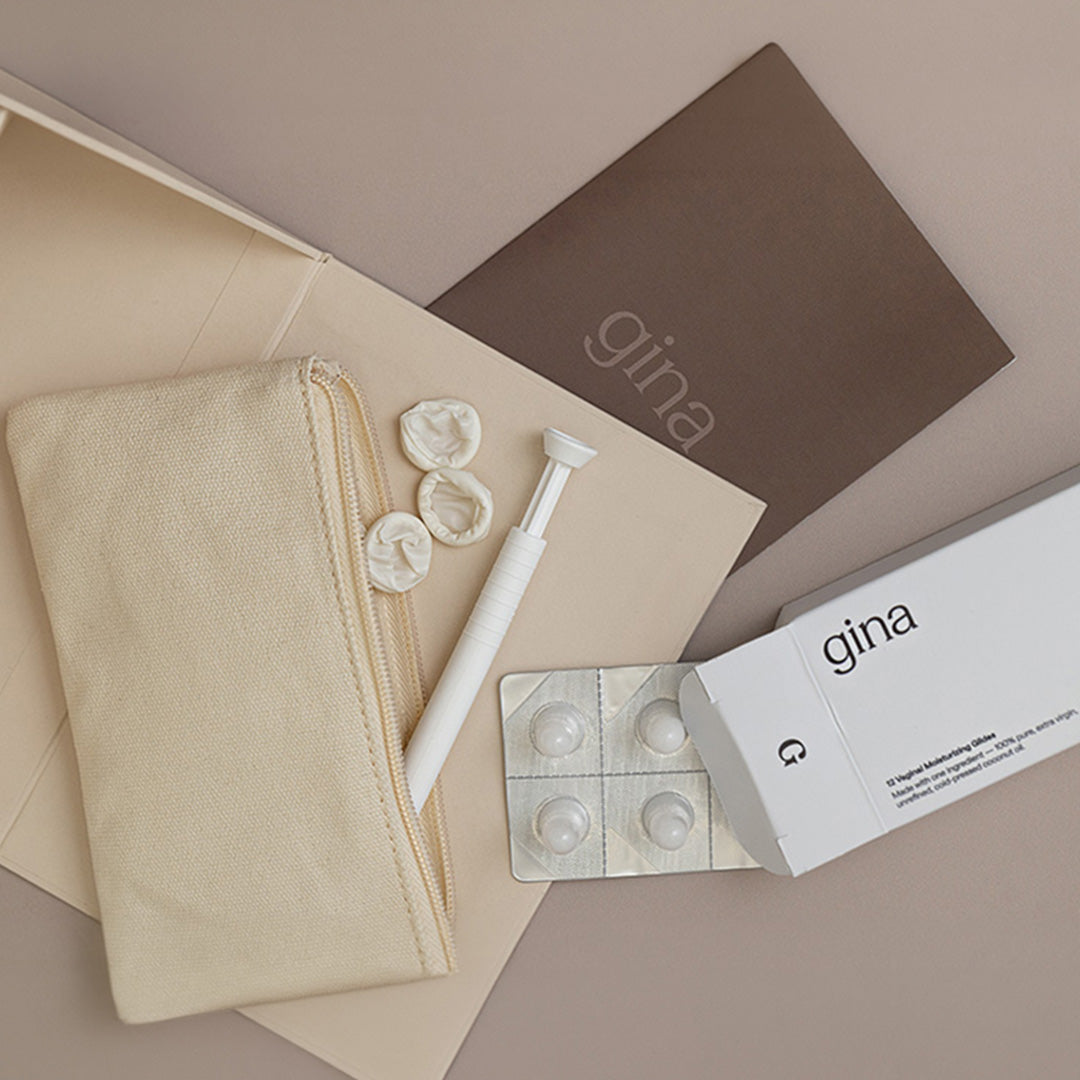
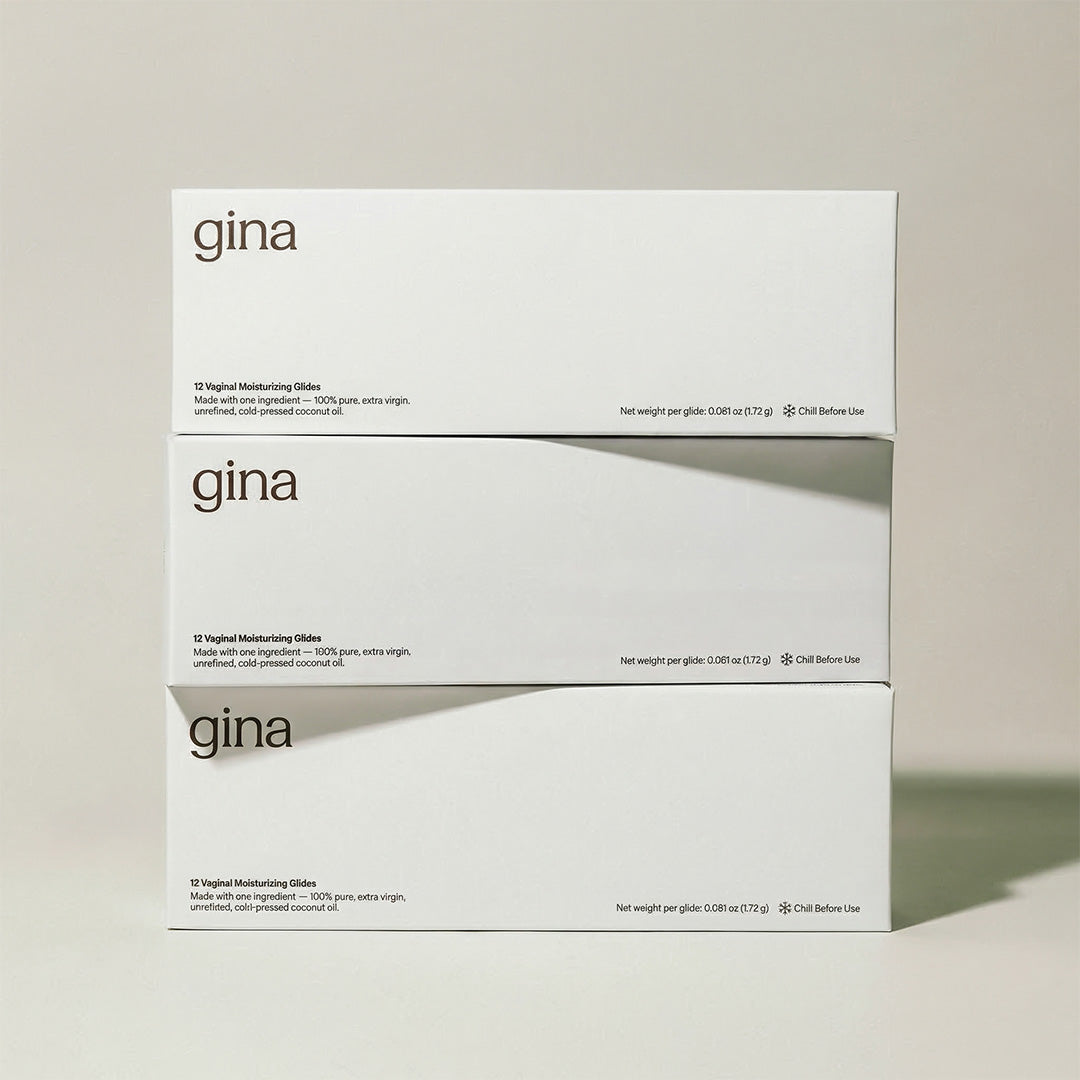
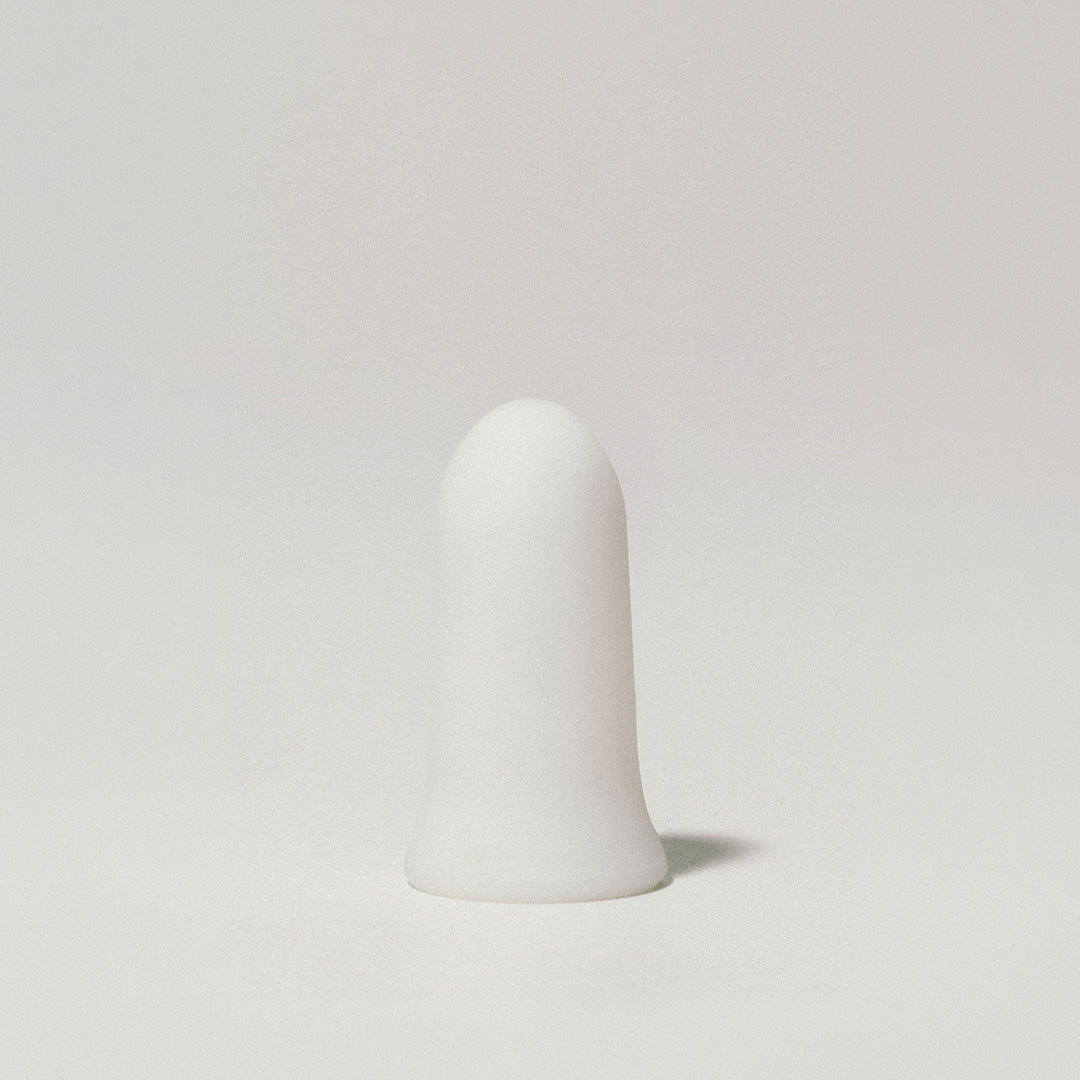
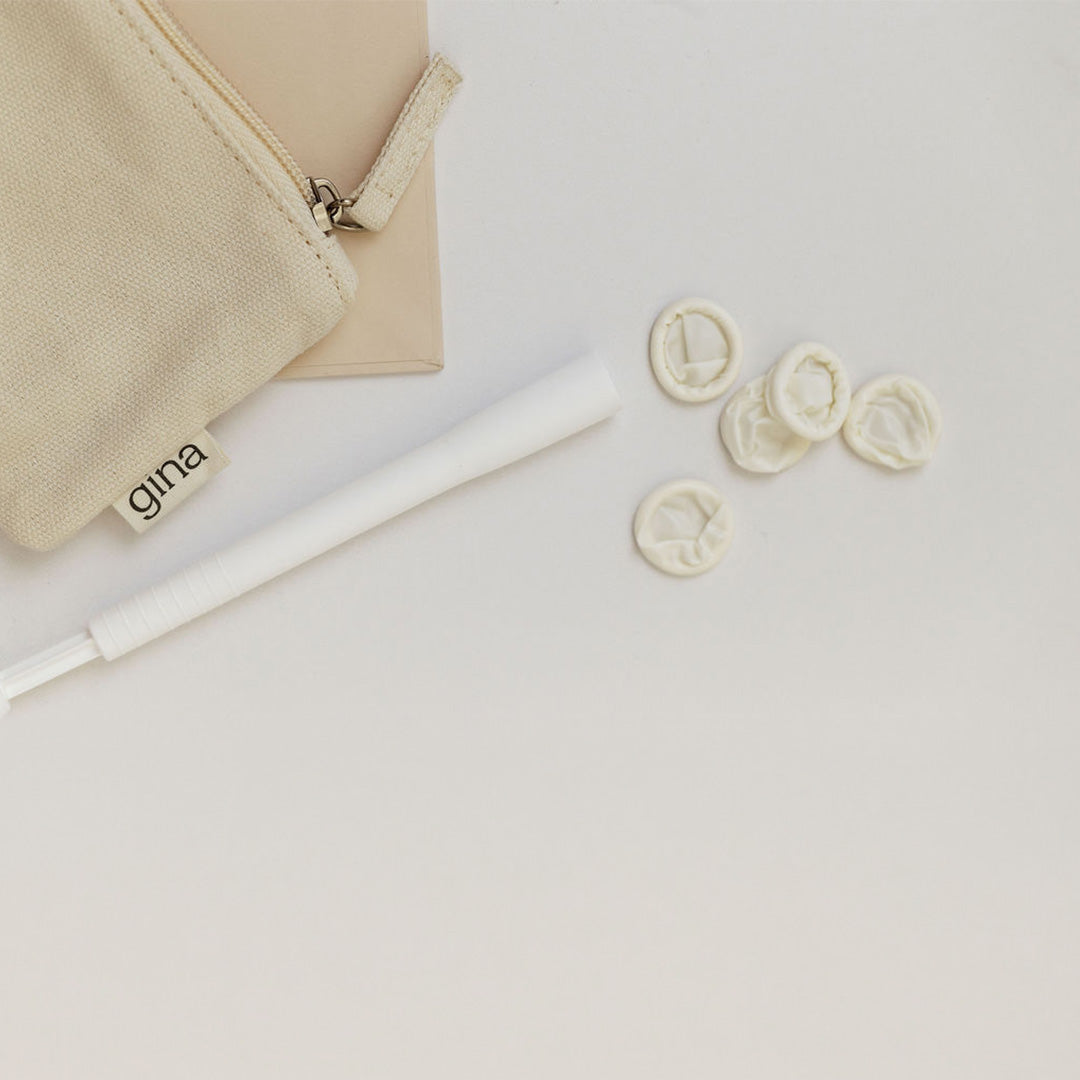
gina moisturizing glides are designed to support moisture and comfort for dryness-related discomfort in a clean, pre-measured format. Each glide is pre-measured for single use, so there is no need to repeatedly scoop product from a jar. The format offers a clean, convenient way to dispense and apply the coconut oil.
For a partner, the way you introduce an option like gina matters. It should feel like an invitation to make comfort easier, not a message that something is wrong with her or that she needs to change for the relationship.
You might simply say, "I came across something designed to support moisture and comfort. If you ever want to look at it together, I am happy to." Then leave the decision with her.
If you use latex condoms or latex diaphragms, remember that coconut oil is oil-based and should not be used with latex barrier protection. Choose a compatible non-oil-based option instead.
Know when support means encouraging professional guidance
Some changes can be part of the menopause transition, but symptoms alone cannot always tell you the cause. If your partner is dealing with persistent or severe discomfort, new odor or discharge, ongoing itching or burning, bleeding, pelvic pain, urinary discomfort, or symptoms that are affecting daily life, a qualified clinician can help determine what deserves attention.
Support in that moment does not mean diagnosing the problem yourself. It can be as simple as taking the concern seriously, helping her find reliable information, or offering to make the logistics of getting care a little easier.
Stay on the same team
You do not need to become a menopause expert overnight. You do need to make sure your partner does not feel like she has to explain, manage, and carry every part of the change alone.
Support can look like learning, listening, adjusting, and keeping intimacy a shared conversation instead of a source of pressure. The details may change over time, but the basic message stays the same: I am here, I care about how you feel, and we can figure out what works for us together.
Frequently Asked Questions
How can I support my partner through menopause?
Start by learning about menopause, listening without immediately trying to solve the problem, and asking what kind of support would actually help. Practical help, patience, flexibility, and open conversations about comfort and intimacy can all make a difference.
Can menopause affect intimacy?
It can. Changes in vaginal moisture, sleep, energy, mood, arousal, or sexual desire may affect how intimacy feels, although every woman's experience is different. Talking openly about what feels comfortable now is more useful than assuming the change means something is wrong with the relationship.
How should I talk to my partner about vaginal dryness?
Choose a private, calm moment and avoid making assumptions about what she is experiencing. Ask whether anything has been feeling uncomfortable and what would make intimacy easier. Keep the conversation focused on her comfort rather than on restoring sex to the way it used to be.
What should I avoid saying to my partner during menopause?
Avoid dismissing symptoms as "just menopause," joking about changes she finds difficult, or framing intimacy concerns as something she needs to fix. A better approach is to acknowledge what she is experiencing and ask what support would feel useful.
How can we stay close if sex feels uncomfortable?
Closeness does not have to depend on penetrative sex. Affection, touch, massage, conversation, and other forms of intimacy can help couples stay connected while they figure out what feels comfortable. Persistent or significant pain is a good reason to speak with a qualified clinician.
When should my partner speak with a clinician?
If symptoms are persistent, severe, new, concerning, or interfering with daily life or intimacy, professional guidance can help identify the cause and appropriate options. New bleeding, pelvic pain, unusual odor or discharge, ongoing itching or burning, and urinary discomfort are also reasonable reasons to seek care.