



Educational information only. Not medical advice.
A Science-Informed Look at Vaginal Comfort During Menopause
The vaginal microbiome is the community of microorganisms that lives in the vagina. It is not meant to be sterile. For many people before menopause, Lactobacillus species are an important part of that community and help maintain an acidic environment.
During perimenopause and menopause, changing estrogen levels can affect vaginal tissue, moisture, and the microbiome. That shift can feel personal and sometimes uncomfortable, but it is also common, and it deserves clear, shame-free information.
What does the vaginal microbiome do?
Think of the vaginal microbiome as an ecosystem. Different microorganisms can be present, and the balance can change throughout life. Lactobacillus bacteria are often associated with a vaginal environment because they produce lactic acid, which helps maintain acidity.
There is no single “perfect” microbiome for every person. What matters most is how you feel and whether you have symptoms that need attention, not trying to achieve a number or an idealized test result.
Why menopause can change the picture
Estrogen helps support the vaginal tissue. As estrogen changes during perimenopause and menopause, the tissue can become thinner, less elastic, and less naturally lubricated. Research also shows that postmenopausal vaginal microbial communities may have less Lactobacillus and greater diversity than those seen before menopause.
For some women, these changes are part of genitourinary syndrome of menopause, often called GSM. GSM can include vaginal dryness, burning, irritation, discomfort with intimacy, and urinary symptoms. Symptoms are real, common, and worth discussing with a qualified clinician, especially when they are new, persistent, or getting worse.
Dryness does not tell you the whole story
It is easy to assume every change in comfort is “just menopause.” But dryness, itching, burning, odor, discharge, and pain can have different causes. Bacterial vaginosis, yeast infections, skin conditions, medication effects, and other concerns can overlap in how they feel.
That is why symptoms alone cannot tell you the cause of an infection or a microbiome imbalance. If you notice a new odor or discharge, persistent itching or burning, pain with sex, bleeding, pelvic pain, or urinary discomfort, a clinician can help identify what is going on and recommend the right care.
Gentle ways to support vaginal comfort
Small habits can help reduce irritation and make everyday care feel more comfortable:
- Avoid douching, which can disrupt the vaginal environment and is not recommended for unexplained symptoms.
- If soap or fragranced products irritate you, keep cleansing gentle and avoid using soap inside the vagina.
- Use a vaginal moisturizer or lubricant that fits your needs and talk with a clinician about persistent dryness or pain.
- Remember that oil-based products, including coconut oil, can weaken latex condoms. Use a non-oil-based option with latex condoms.
Where gina fits into a comfort routine
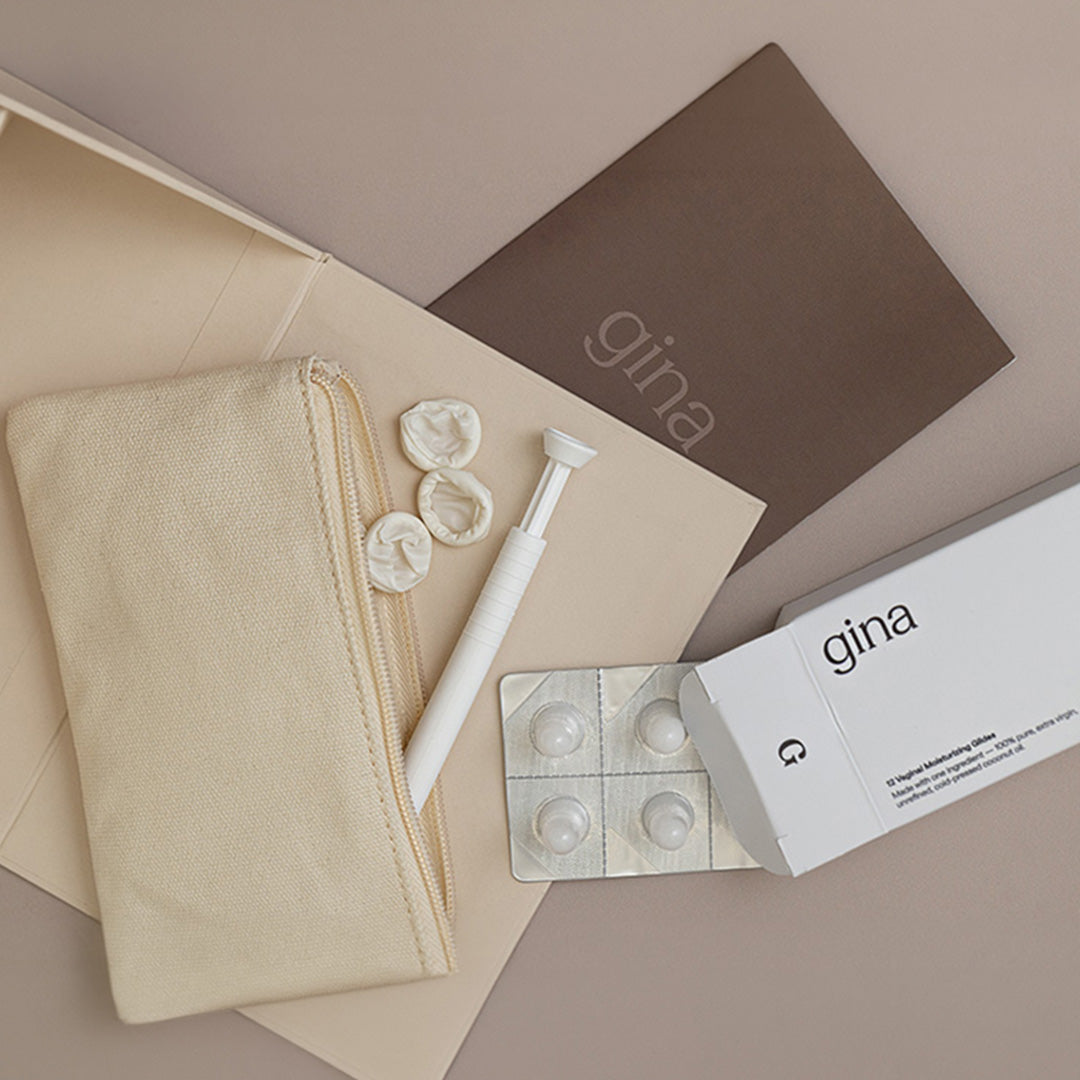
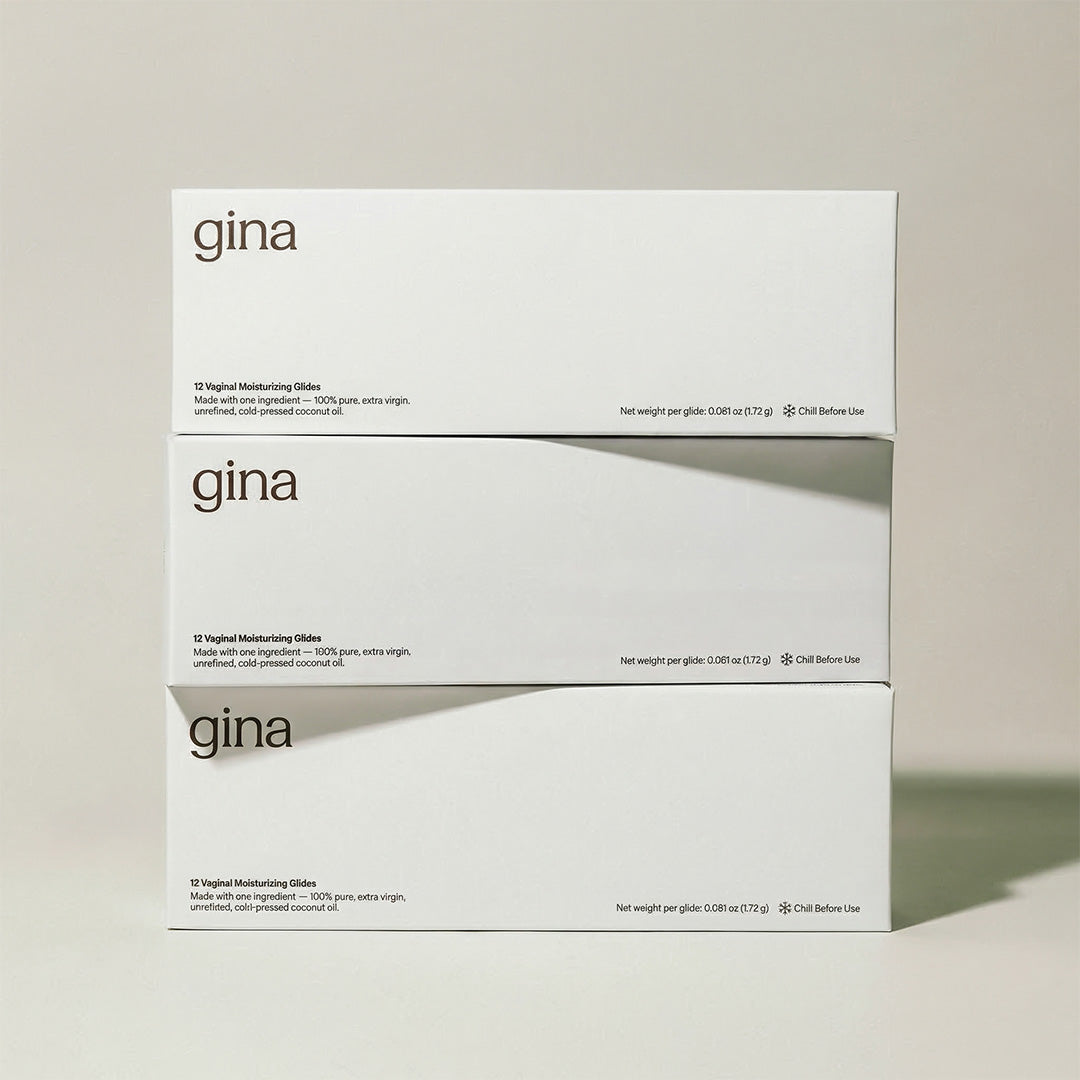
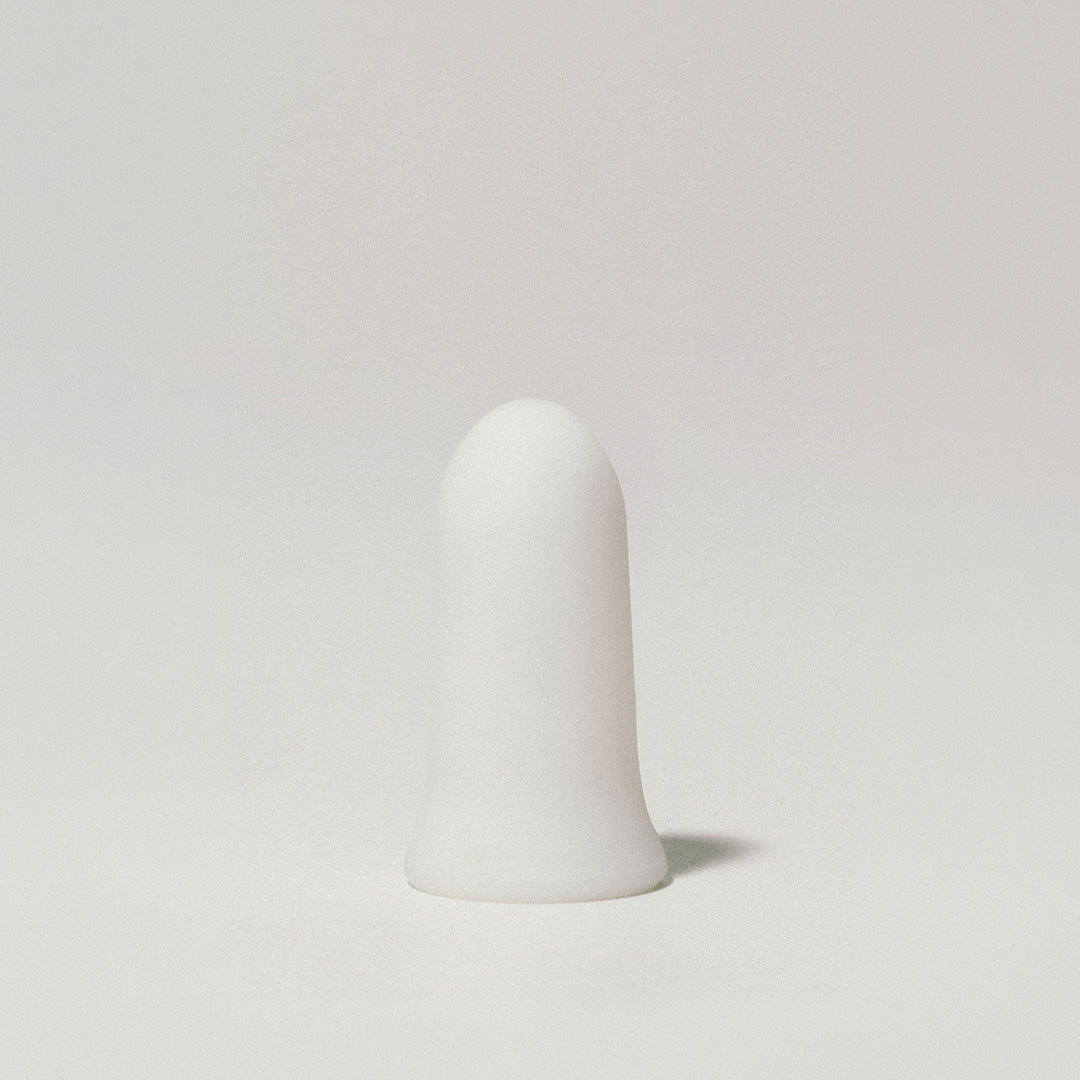
gina moisturizing glides are made with one ingredient: 100% pure, extra virgin, unrefined, cold-pressed coconut oil. For women who prefer a simple, oil-based option for personal comfort, each glide is pre-measured for single use, supporting a clean, considered application. The single-use format also avoids the need to repeatedly scoop product from a jar, offering a clean, convenient way to dispense and apply the coconut oil. For step-by-step use guidance, see How to Use Moisturizing Glides.
Comfort care and clinical guidance can work alongside one another. A moisturizing routine may be part of how you care for dryness, but it cannot identify the cause of an infection. If your symptoms are new, severe, persistent, or concerning, reach out to your qualified clinician.
A more informed, compassionate approach to change
Menopause can change the way your body feels, but it does not mean you have to quietly accept discomfort. Understanding the vaginal microbiome gives you a better language for what may be changing and a better reason to choose care that is gentle, informed, and right for you.
For more support, explore What Causes Vaginal Dryness? and Why Am I Suddenly Dry Down There?