

It's list season. Holiday wish lists, guest lists, and more shopping lists than anyone can keep track of. But one list deserves the spotlight this year: the unofficial list of things we're done with as we head into the new year.
At the top of that list? The stigma around vaginal health. The awkward silence, the whispers, the shame. Your vagina deserves to be part of the conversation.
Here's what we're saying goodbye to, and what we're bringing into 2027 instead.
Educational information only. Not medical advice.
1. Shame around vaginal health
Let's get one thing clear: vaginal health is hot.
The awkward pause before saying "vagina" out loud at the doctor's office? Gone. Most of us were taught just enough to get by, and rarely in a way that felt open or kind.
Vaginal dryness is common. It can show up in your 30s, after giving birth, during perimenopause or menopause, or at other times when your body feels different. Talking about it plainly isn't oversharing. It's how you get better answers.
Bringing instead: Calling it a vagina, because that's what it is.
2. Ignoring discomfort
Discomfort isn't something you just have to deal with.
Whether it's hormonal changes, irritation, or something that just doesn't feel right, your comfort deserves attention. Dryness doesn't always arrive with a clear explanation. Stress, sleep, hydration, new products, travel and life stages can all play a part, and often it's a combination. If it caught you off guard, here's why you might suddenly feel drier than usual.
Paying attention doesn't mean panicking or diagnosing yourself. It means noticing what changed. If something feels painful, persistent or unusual, that's a reason to check in with a qualified clinician, not something to push through until spring. Not sure where the line is? Start with what's normal, what's not, and when to pay attention.
Bringing instead: Treating discomfort as a signal worth listening to.
3. Putting self-care last
You're busy making the holidays magical for everyone else. The gifts are wrapped, the table is set, and the group chat is handled. But who's making sure you're feeling good?
Your comfort, pleasure and health deserve a spot at the top of your list. Self-care doesn't need to be a whole production. A simple routine you'll actually keep beats an elaborate one you abandon by January 3. If you want a starting point, our complete guide to vaginal care keeps it simple.
After all, you deserve a little holiday cheer, too.
Bringing instead: A few minutes for yourself, without the guilt.
4. Scented everything
Peppermint body wash. Sugar cookie lotion. The gift set someone grabbed on the way to the party. Holiday scents are lovely in a candle. Around intimate areas, they're a different story.
Fragrance, scented wipes and heavily formulated products don't agree with everyone. If discomfort showed up after you started a new product, simplifying your routine is a sensible first step. Your body is allowed to have opinions.
Bringing instead: Fewer ingredients and gentler products where it counts.
5. Guessing in the personal care aisle
Lubricant or moisturizer? Same thing, right? Not quite.
A lubricant is usually used to reduce friction during intimacy. It's for the moment. A vaginal moisturizer is used to support ongoing comfort and moisture as part of a routine. Some people use one, some use both, and knowing the difference means you can choose what fits instead of guessing. For a closer look at the options, see how coconut oil and hyaluronic acid vaginal moisturizers compare.
Bringing instead: Knowing what you're reaching for, and why.
Where gina fits
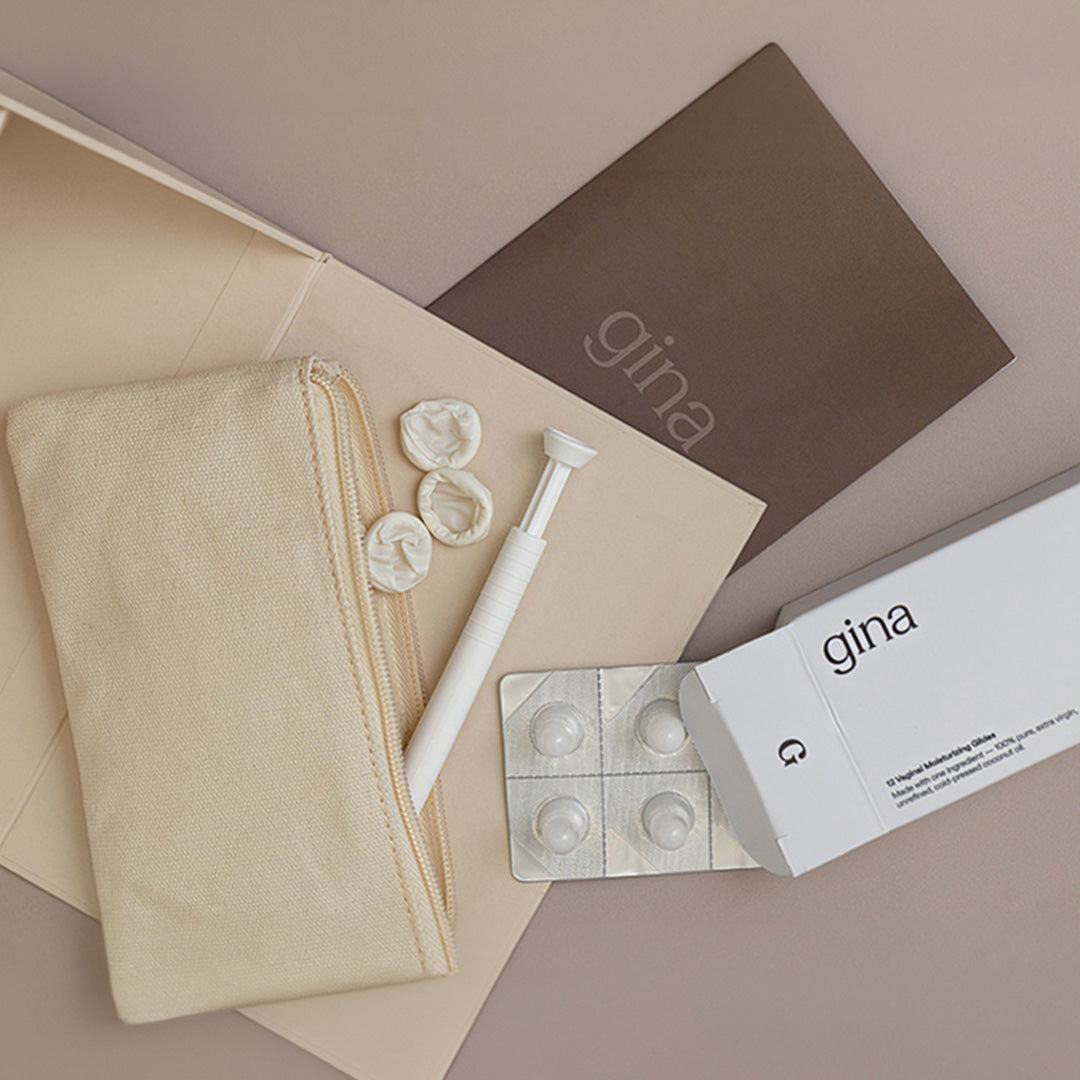
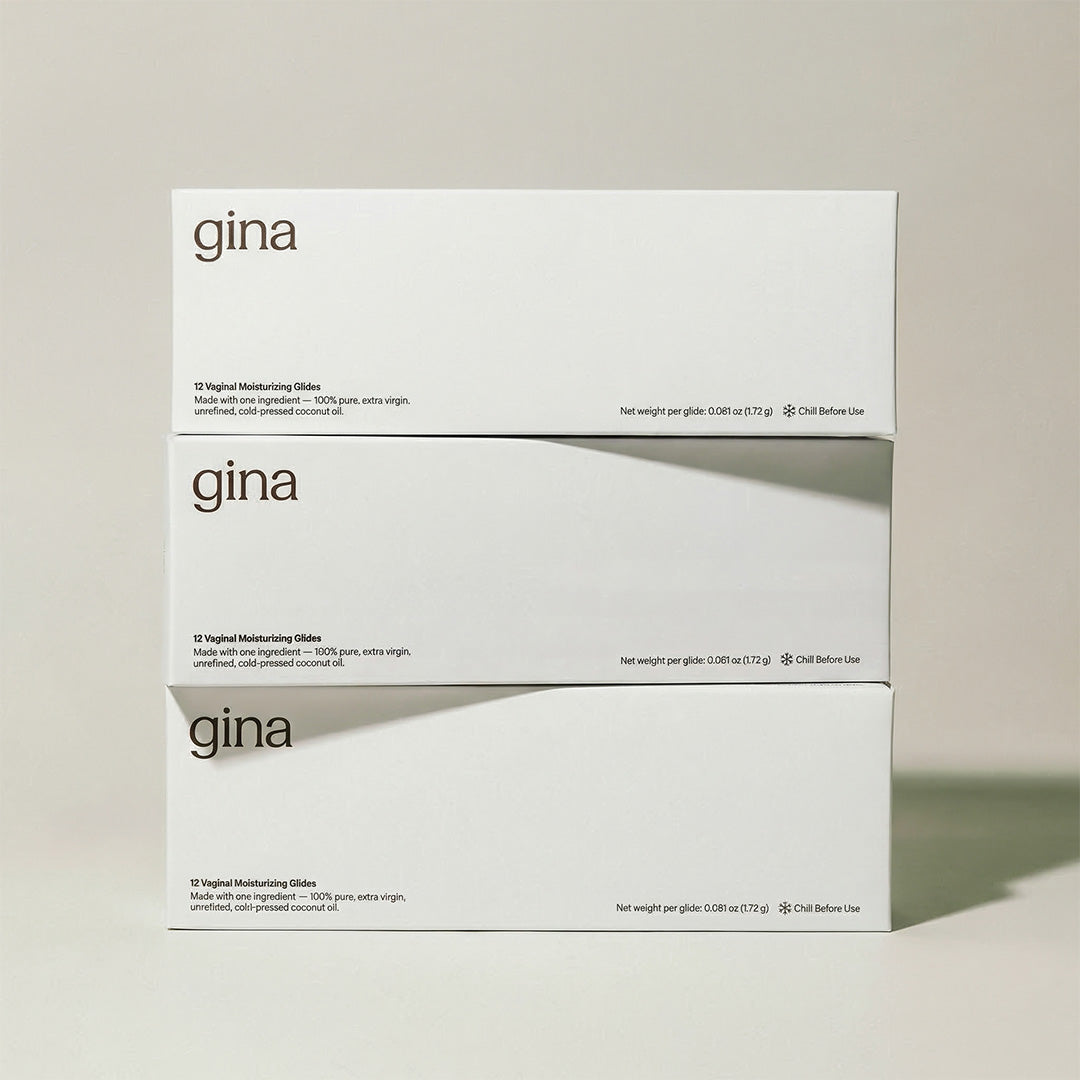
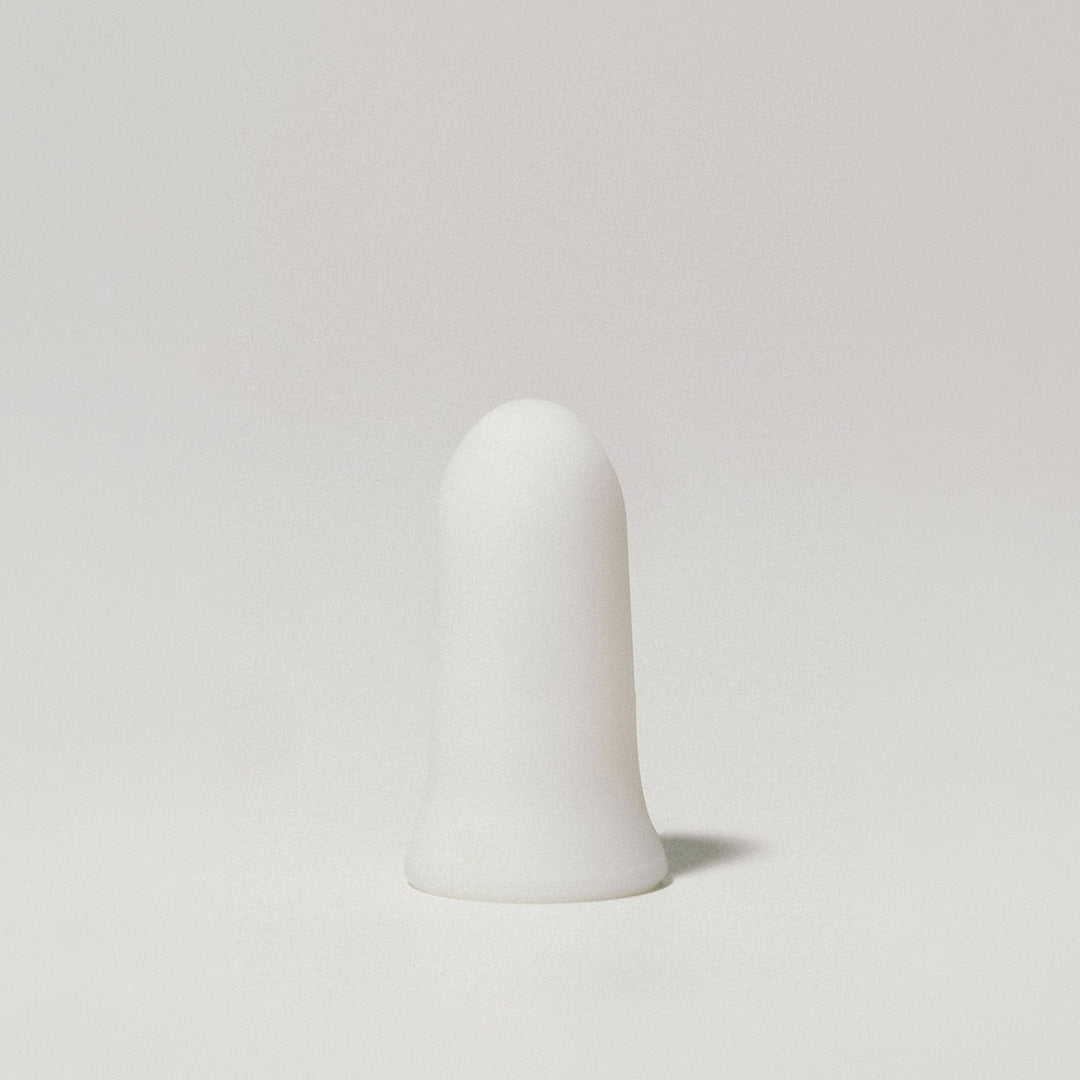
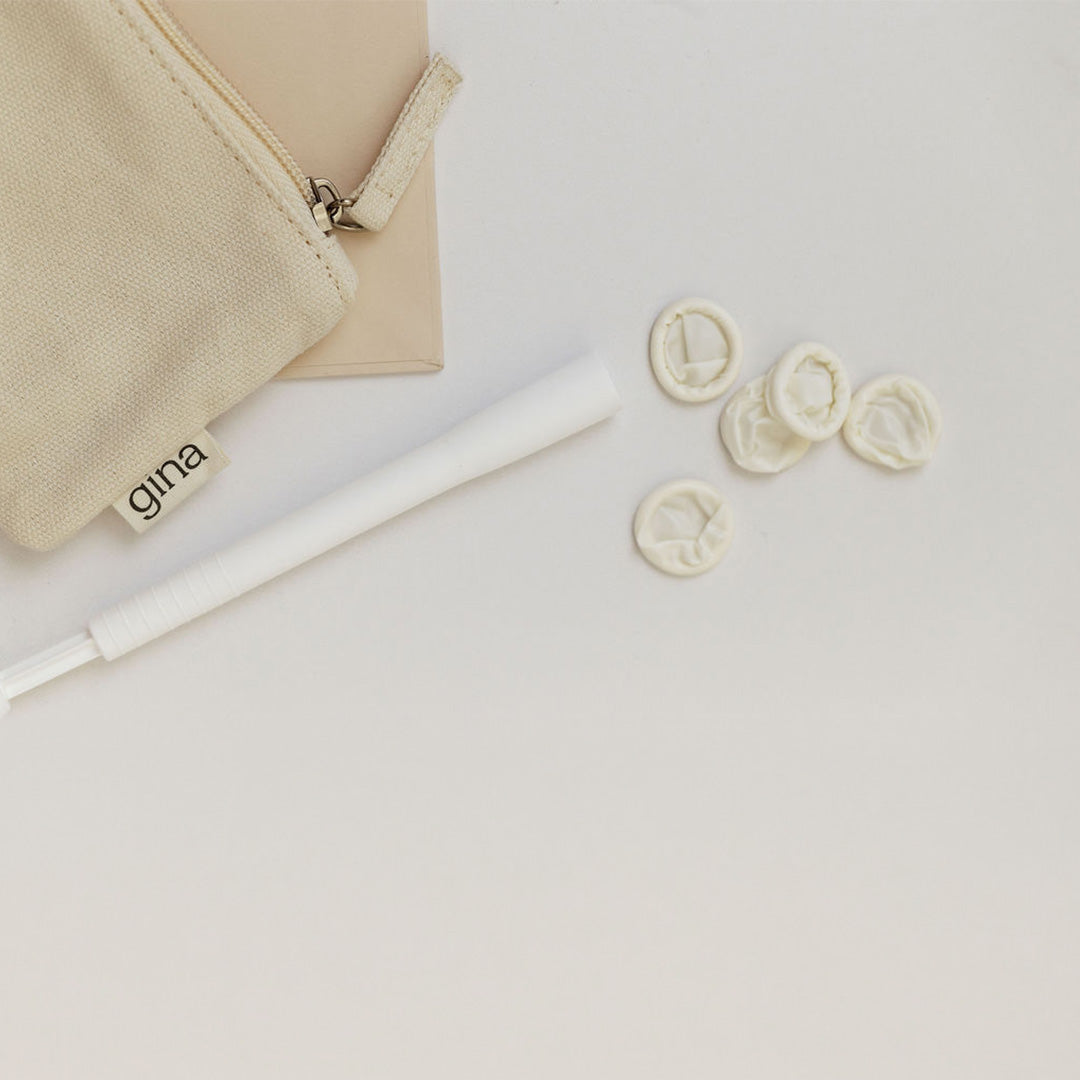
If dryness-related discomfort keeps showing up, topical moisture support can be a simple part of your routine. gina Vaginal Moisturizing Glides are designed to support moisture and comfort for dryness-related discomfort in a clean, pre-measured format. Each glide is single-use, so there's no scooping from a jar, and they're designed to fit into a comfort-focused routine at home or while traveling.
gina doesn't treat the underlying cause of dryness. It provides topical moisture support and can help reduce friction. Because gina is made with coconut oil, it's oil-based and isn't compatible with latex condoms.
New to glides? Here's how to use moisturizing glides, including storage. You can also ask our nurse practitioner for educational guidance.
Here's to 2027
Less shame. Less guessing. More comfort, more honest conversations, and a little more room on your list for you.
Let's keep the conversation going.